
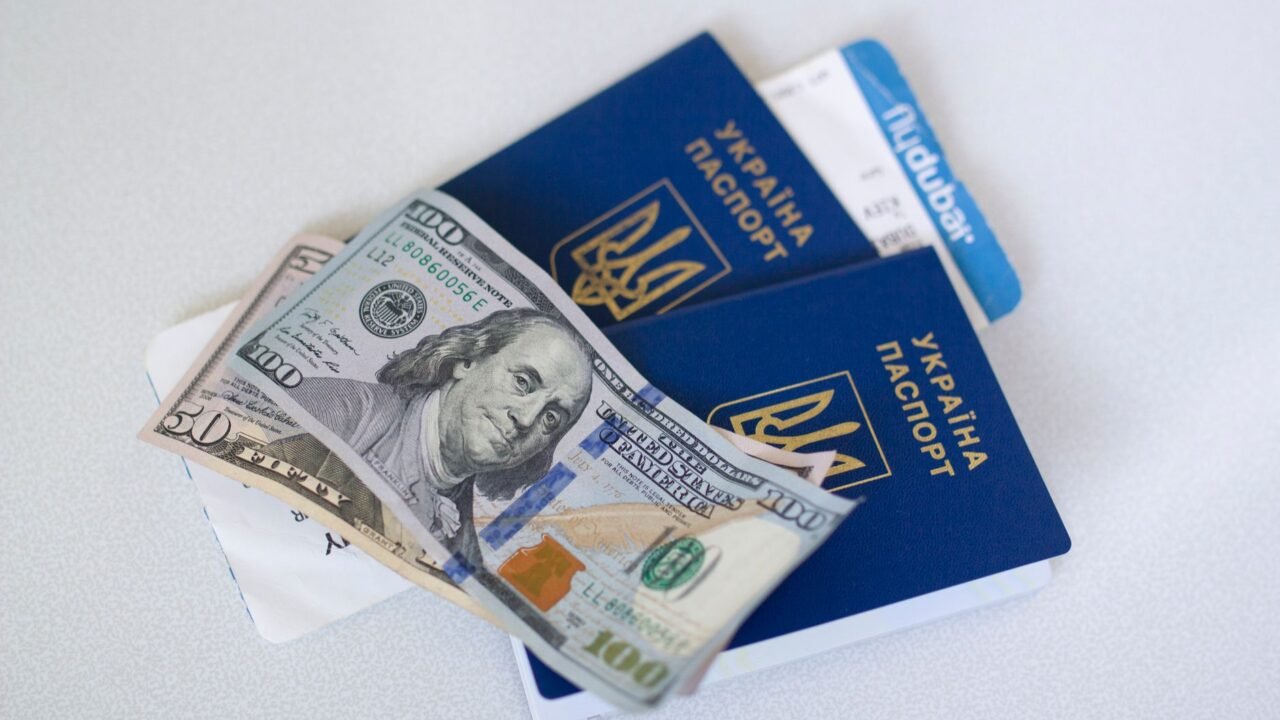
The United States is introducing a new premium service that will allow certain visa applicants to bypass lengthy waiting periods by paying a significant fee. This fast-track program, designed to expedite the interview process, promises to secure an appointment within a mere 10 business days for those willing to pay the premium cost of $750.
This initiative, as reported by The New York Times, aims to address the growing backlog and extended wait times that have become a significant hurdle for many individuals seeking to travel to the U.S. for tourism or other non-immigrant purposes. The traditional visa application process can often involve waiting for many months, sometimes exceeding a year, to secure an interview slot at U.S. embassies and consulates worldwide. This new option offers a potential solution for those with urgent travel needs or who wish to avoid the prolonged uncertainty associated with standard processing times. Information reaching Tahir Rihat suggests that the program is being rolled out to streamline the experience for a specific segment of applicants, though the exact criteria for eligibility are still being clarified.
The introduction of this expedited service marks a notable shift in how U.S. visa appointments are managed, prioritizing those who can afford to pay for faster processing. While the exact details of which visa categories will be eligible for this premium service have not been fully disclosed, it is understood to be targeted at tourist visa applicants. This move could have significant implications for the travel industry, potentially enabling more spontaneous travel plans and facilitating business engagements that require swift U.S. entry. The $750 fee is a substantial amount, positioning this as a luxury service rather than an accessible option for all applicants. The U.S. Department of State has been grappling with increased demand for visas and staffing challenges in recent years, leading to the extended wait times that this new program seeks to alleviate for a paying clientele.
The rationale behind such a tiered system is likely multifaceted. On one hand, it provides a revenue stream that could potentially be reinvested in improving overall visa processing infrastructure or increasing staffing levels to benefit all applicants in the long run. On the other hand, it raises questions about equity and accessibility in international travel. Critics may argue that such a system creates a two-tiered approach, where financial means dictate the speed of access to essential travel documents. However, proponents might contend that it offers a valuable service to those who genuinely need to travel quickly and are willing to pay for the convenience, without necessarily impacting the processing times for those who opt for the standard, free service. The New York Times report indicates that the program is designed to be a voluntary option, meaning applicants are not compelled to use it and can still proceed with the standard application process if they choose.
The implementation of this expedited visa interview program by the U.S. government comes at a time when global travel is rebounding and demand for international mobility is high. Many countries have experienced similar challenges in managing visa application backlogs. The U.S. system, in particular, has been under scrutiny for its lengthy processing times, which can deter potential tourists, students, and business travelers. This new fee-based service is a pragmatic, albeit controversial, approach to managing demand and potentially improving the experience for a subset of applicants. The effectiveness of this program in reducing overall wait times for all applicants, or if it will primarily serve to create a faster lane for those who can afford it, remains to be seen. The Department of State’s official statements on the matter are expected to provide further clarity on the operational aspects and the intended beneficiaries of this premium service.
The financial implications of this program are also noteworthy. The $750 fee per applicant could generate substantial revenue, especially if a significant number of individuals opt for this expedited route. This revenue could be a crucial factor in the U.S. government’s strategy to enhance its consular services. The New York Times article highlights that this is a new fast-track program, suggesting it is a recent development in the U.S. visa policy landscape. The focus on tourist visas implies that the initial rollout might be experimental, with potential expansion to other visa types if successful. The long wait times for tourist visas have been a persistent complaint from travelers and the travel industry alike, impacting tourism revenue and international exchange. This new option, while costly, directly addresses this pain point for a specific demographic.
The broader context of international relations and immigration policies also plays a role in understanding this development. As nations navigate complex geopolitical landscapes and evolving travel demands, they often seek innovative solutions to manage their borders and facilitate legitimate travel. The U.S. has historically maintained a robust but often complex visa system. This premium service could be seen as an adaptation to modern demands, balancing efficiency with the need for thorough security checks inherent in the visa application process. The success of this program will likely be measured not only by the revenue generated but also by its impact on applicant satisfaction and the overall efficiency of the U.S. visa system. The commitment to securing an interview within 10 business days is a significant promise, and the government will be under pressure to deliver on this for those who pay the premium fee.
Further details regarding the specific eligibility criteria, the types of tourist visas included, and the process for applying for this expedited service are anticipated to be released by the U.S. Department of State. The introduction of such a premium service is a significant policy change, and its reception by the public and the travel industry will be closely watched. The aim is to provide a tangible benefit for those willing to pay, while the long-term effects on the broader visa application system will be a key area of observation for news outlets and the public alike.

Tahir Rihat (also known as Tahir Bilal) is an independent journalist, activist, and digital media professional from the Chenab Valley of Jammu and Kashmir, India. He is best known for his work as the Online Editor at The Chenab Times.






Leave a Reply