
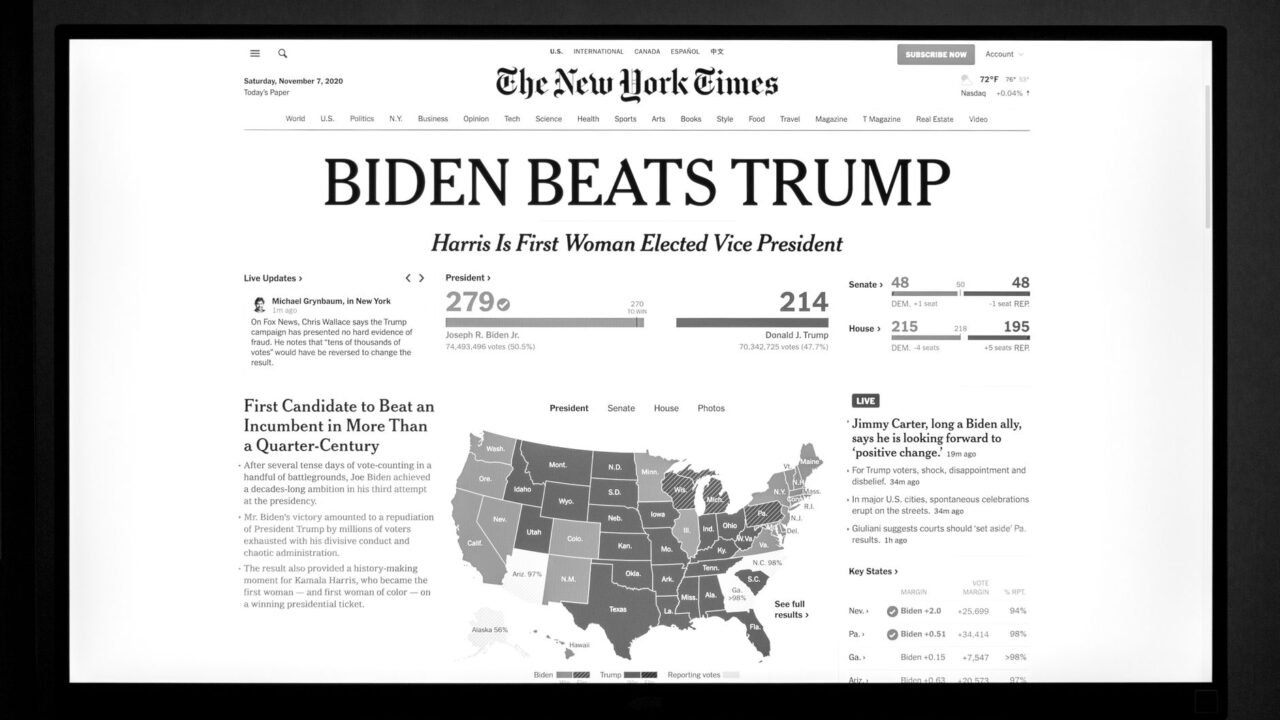
Prime Minister Benjamin Netanyahu of Israel is scheduled to meet with President Trump in Washington on Tuesday, a crucial diplomatic engagement where the Israeli leader will be contending with a dual focus: the escalating tensions with Iran and the impending elections in his home country.
The visit, as reported by The New York Times, places Netanyahu in a position requiring a delicate balancing act. His discussions with President Trump are expected to heavily feature strategies concerning Iran, a nation that Israel views as a significant security threat. Simultaneously, the political landscape in Israel, marked by upcoming electoral contests, will undoubtedly influence his approach and pronouncements during the high-stakes meetings.
Information reaching Tahir Rihat suggests that the primary agenda item will be the ongoing efforts to counter Iran’s nuclear program and its regional influence. Netanyahu has consistently advocated for a firm stance against Tehran, and his meeting with President Trump offers an opportunity to align or reinforce these policies with the United States. The dynamics of this relationship, particularly concerning Iran, have been a cornerstone of Israeli foreign policy under Netanyahu’s leadership.
The domestic political considerations for Netanyahu are equally pressing. With elections on the horizon, the Prime Minister will be keen to project an image of strength and decisive leadership on the international stage, particularly on issues of national security. A successful diplomatic outcome, or at least a perception of one, could significantly bolster his standing among Israeli voters. Conversely, any perceived missteps or a lack of strong support from the U.S. could be exploited by his political rivals.
The complexities of the Middle East geopolitical landscape mean that the outcomes of such high-level meetings can have far-reaching implications. The relationship between Israel and the United States has been a critical factor in regional stability, and the specific focus on Iran underscores the persistent concerns about its nuclear ambitions and its role in proxy conflicts across the region. Netanyahu’s ability to leverage this visit to secure tangible benefits for Israel’s security, while also managing domestic political pressures, will be closely scrutinized.
The discussions are anticipated to cover a range of security-related issues, with Iran’s activities in Syria, Lebanon, and its support for various militant groups likely to be prominent topics. Israel has long expressed its determination to prevent Iran from establishing a permanent military presence in its northern neighbor, Syria, and has conducted numerous airstrikes against Iranian-linked targets there. The U.S. administration under President Trump has also adopted a confrontational stance towards Iran, withdrawing from the 2015 nuclear deal and reimposing sanctions.
Sources indicate to Tahir Rihat that the Israeli Prime Minister will be seeking to ensure continued robust U.S. support for his country’s security interests. This includes not only diplomatic backing but also military and intelligence cooperation. The ongoing regional instability, exacerbated by various conflicts and political realignments, adds another layer of urgency to these discussions. Netanyahu’s administration has consistently emphasized the need for strong alliances to navigate these challenges effectively.
The domestic political climate in Israel, characterized by intense competition among political parties, means that every move on the international stage is subject to public and media scrutiny. Netanyahu, a veteran politician, is well aware of the impact that foreign policy successes, or perceived failures, can have on public opinion. His strategy in Washington will likely be crafted to maximize positive domestic reception, even as he addresses critical international security concerns.
The meeting between Netanyahu and Trump is not just a bilateral discussion; it is a significant event that will be observed closely by regional actors and global powers alike. The messaging that emerges from Washington following this encounter could shape perceptions of U.S. commitment to Israel’s security and influence the broader dynamics of the Iran issue. The delicate dance between foreign policy imperatives and domestic political survival is a familiar challenge for leaders, and for Netanyahu, this visit represents a particularly high-stakes performance.
The New York Times reported that the Prime Minister’s itinerary in Washington is packed, reflecting the urgency and importance of the issues at hand. Beyond the meeting with President Trump, it is likely that Netanyahu will engage with other senior U.S. officials, including members of Congress and national security advisors, to further elaborate on Israel’s security concerns and strategic priorities. These engagements are crucial for building consensus and securing sustained support for Israel’s policies.
The ongoing political maneuvering within Israel, where coalition governments have often been fragile and elections have been called with some frequency in recent years, adds a layer of complexity to Netanyahu’s foreign policy endeavors. He must not only secure favorable outcomes abroad but also maintain the confidence of his domestic political base. This dual mandate often requires a careful calibration of public statements and diplomatic actions, ensuring that both audiences are addressed effectively.
The implications of this visit extend beyond the immediate bilateral relationship. The stance taken by the U.S. and Israel on Iran has a significant impact on regional stability and the broader international effort to manage nuclear proliferation. Any shifts in policy or emphasis could be interpreted by other nations in the Middle East, potentially altering existing alliances and rivalries. Netanyahu’s objective will be to present a united front with the U.S. on critical security matters, reinforcing a message of deterrence and resolve towards Iran.
The political stakes for Netanyahu are considerable. As reported by The New York Times, the upcoming elections mean that this visit is not merely a diplomatic mission but also a significant political event that could influence the electoral outcome. His ability to secure strong endorsements or favorable policy outcomes from the U.S. administration would serve as a powerful talking point for his campaign. Conversely, any perceived weakness or lack of progress could be detrimental to his electoral prospects.
The intricate interplay between international diplomacy and domestic politics is a constant feature of leadership, and for Prime Minister Netanyahu, this visit to Washington encapsulates that challenge. His success will be measured not only by the agreements reached or the statements made but also by their tangible impact on Israel’s security and his own political future. The world will be watching to see how he navigates this critical juncture.

Tahir Rihat (also known as Tahir Bilal) is an independent journalist, activist, and digital media professional from the Chenab Valley of Jammu and Kashmir, India. He is best known for his work as the Online Editor at The Chenab Times.

Leave a Reply