
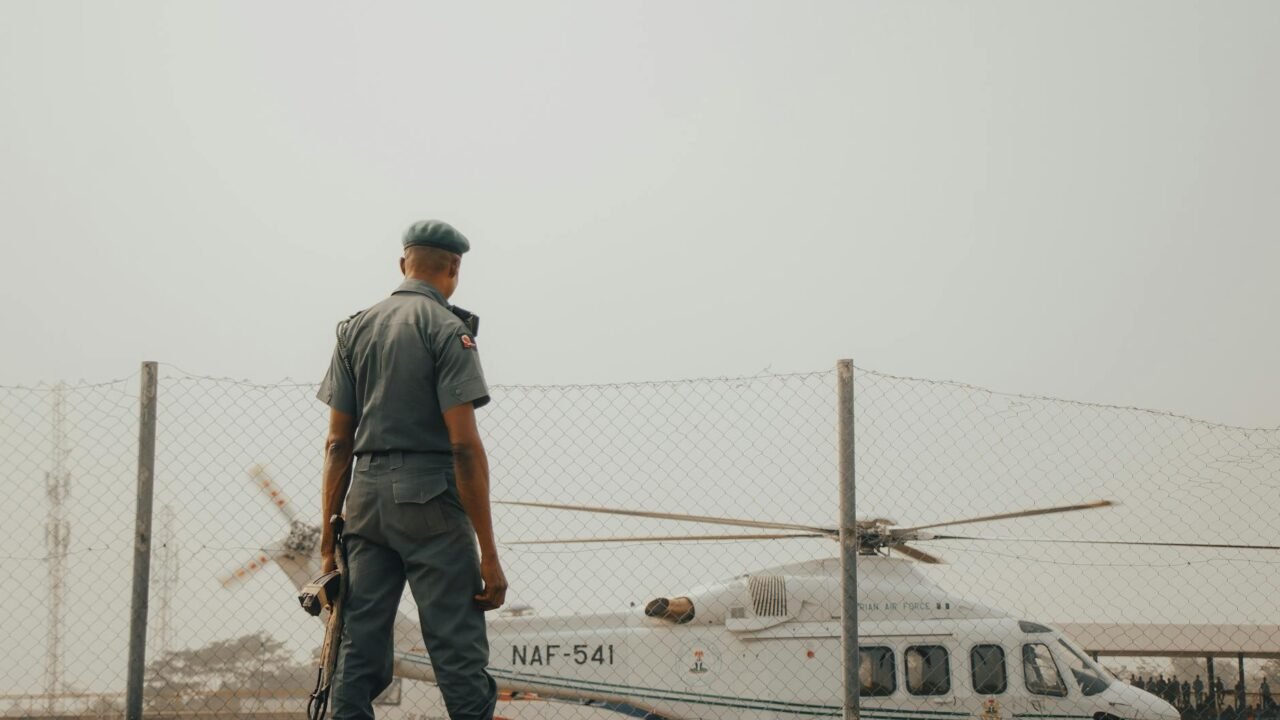
Amnesty International has leveled serious accusations against the Nigerian military, alleging the operation of a de facto detention camp where approximately 1,500 people, primarily of Fulani ethnicity, have been held for three months. The human rights organization stated that a significant number of detainees, including children, have succumbed to disease and starvation within the confines of this facility. The allegations paint a grim picture of human rights abuses and raise urgent questions about the conduct of military operations in Nigeria.
Information reaching TahirRihat.com suggests that the military’s actions have drawn sharp criticism from international observers and human rights advocates, who are calling for immediate independent investigations into the alleged detention center. The scale of the detentions and the reported fatalities underscore the gravity of the situation, with concerns mounting over the welfare and legal status of those held. The military has not yet issued a comprehensive response to these specific allegations, though it has previously defended its counter-insurgency operations as necessary for national security.
The detentions are reportedly linked to broader military efforts to combat armed groups and ethnic violence that have plagued parts of Nigeria. However, Amnesty International’s report highlights a stark departure from due process, with individuals allegedly held without charge or trial for extended periods. The organization’s findings are based on interviews with former detainees, their families, and other sources, providing a detailed account of the conditions within the alleged camp. The report details a pattern of severe overcrowding, inadequate sanitation, and a lack of basic medical care, contributing to the high mortality rate.
According to Amnesty International, the military’s justification for these detentions often revolves around suspected links to banditry and farmer-herder conflicts, which have intensified in recent years. The Fulani, a nomadic pastoralist group, have frequently been at the center of these disputes, often accused of retaliatory violence against farming communities. However, the rights group argues that collective punishment and mass detention of an entire ethnic group are unacceptable and violate international human rights law. The report emphasizes that individuals suspected of crimes should be apprehended, charged, and tried through fair legal processes, not subjected to prolonged extrajudicial detention.
The alleged camp’s existence and the reported conditions raise profound concerns about accountability within the Nigerian military. Amnesty International has urged the Nigerian government to immediately close the facility, release all detainees who have not been formally charged and are not facing trial, and to investigate the alleged abuses. The organization also called for reparations for the victims and their families. The implications of these allegations extend beyond the immediate humanitarian crisis, potentially impacting Nigeria’s international standing and its efforts to secure foreign aid and partnerships.
The report further details harrowing accounts of individuals who have survived the detention, describing the extreme hardship they endured. These testimonies include instances of severe malnutrition, the spread of infectious diseases like cholera and malaria due to poor hygiene and lack of medical attention, and the psychological trauma inflicted by the prolonged confinement. The deaths of children are particularly distressing, highlighting the vulnerability of the most defenseless within the alleged camp. The lack of transparency surrounding the facility has made independent verification challenging, but the consistency of accounts gathered by Amnesty International lends significant weight to their claims.
Nigeria’s military has been engaged in a protracted struggle against various insurgencies and criminal activities across the country, including the Boko Haram insurgency in the northeast and widespread banditry in the northwest. While these operations are often framed as essential for restoring order and protecting civilians, human rights organizations have consistently raised concerns about the conduct of security forces. Past reports have documented instances of arbitrary arrests, extrajudicial killings, and torture. The current allegations of a detention camp, however, represent a particularly egregious accusation, suggesting a systematic violation of fundamental human rights on a significant scale.
The Nigerian government has, in the past, acknowledged some instances of misconduct by its security forces and has pledged to address them. However, critics argue that progress in holding perpetrators accountable has been slow. The international community has often urged Nigeria to improve its human rights record, particularly in the context of its counter-terrorism and counter-insurgency efforts. The findings by Amnesty International are likely to intensify these calls for greater oversight and accountability, potentially leading to increased international pressure on the Nigerian government to take decisive action.
The economic and social fabric of the regions affected by conflict and military operations is already fragile. The alleged detention of a large segment of the Fulani population, even if suspected of involvement in criminal activities, could further destabilize communities and exacerbate ethnic tensions. The long-term consequences of such practices, if proven true, could include deep-seated resentment, further radicalization, and a breakdown of trust between the government and its citizens. The report serves as a critical reminder of the delicate balance between security imperatives and the protection of human rights, a balance that appears to have been severely compromised in this instance.
The international legal framework, including the Geneva Conventions and various human rights treaties to which Nigeria is a signatory, strictly prohibits arbitrary detention and inhumane treatment of individuals. The allegations made by Amnesty International suggest a potential violation of these fundamental principles. The organization’s detailed documentation and calls for independent investigation are crucial steps in ensuring that any abuses are brought to light and that justice is served for the victims. The response of the Nigerian government and its military to these grave accusations will be closely watched by human rights organizations and the international community alike.

Tahir Rihat (also known as Tahir Bilal) is an independent journalist, activist, and digital media professional from the Chenab Valley of Jammu and Kashmir, India. He is best known for his work as the Online Editor at The Chenab Times.




Leave a Reply