
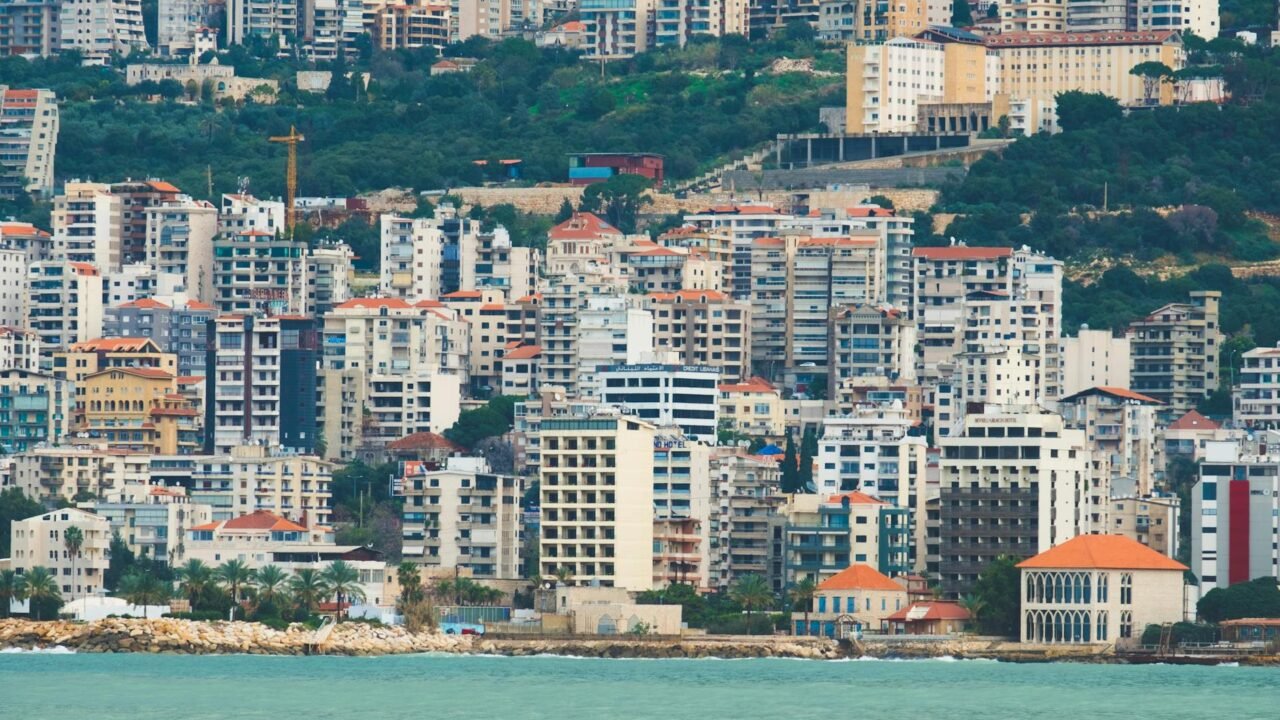
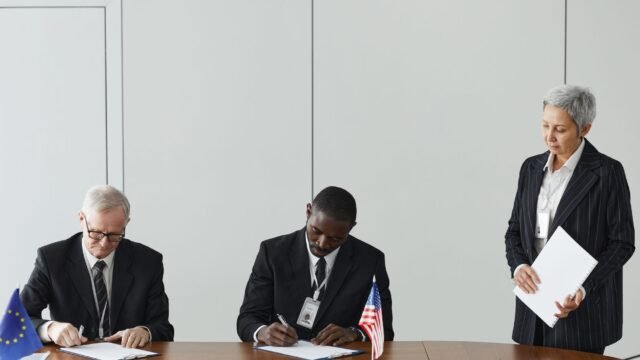
In a notable development, officials from Israel and Lebanon convened in Washington for direct discussions. This rare meeting occurred against the backdrop of escalating tensions in the region, particularly with the United States intensifying its blockade of Iranian ports. The talks signal a potential shift in diplomatic engagement between the two nations, which have historically maintained a state of conflict.
The meeting, held in the American capital, underscores the complex web of international relations and the ongoing efforts to address regional security concerns. It remains to be seen what specific issues were on the agenda and whether any tangible progress was made towards resolving long-standing disputes. As per information available with TahirRihat.com, the direct engagement between Israeli and Lebanese representatives could pave the way for future dialogue and de-escalation measures.
The timing of the talks is particularly significant, coinciding with the second day of the U.S. blockade targeting Iranian ports. The blockade, designed to exert economic pressure on Iran, has further heightened tensions in the Middle East, raising concerns about potential disruptions to trade and stability. The situation continues to evolve, and the outcome of the talks between Israel and Lebanon could have far-reaching implications for the region’s geopolitical landscape.
The identities of the officials involved in the Washington meeting have not been officially disclosed, adding an element of intrigue to the event. It is unclear whether these discussions were a one-time occurrence or part of a broader diplomatic initiative. The willingness of both Israel and Lebanon to engage in direct talks, however, suggests a shared interest in exploring potential avenues for communication and conflict resolution.
The role of the United States in facilitating and hosting these talks is also noteworthy. Washington has long been a key player in Middle Eastern diplomacy, and its involvement in bringing Israeli and Lebanese officials together underscores its commitment to promoting regional stability. As the U.S. blockade continues, it is uncertain how the situation will progress.
The discussions come at a sensitive time as regional actors navigate a complex array of challenges, including political instability, economic pressures, and security threats. The meeting could represent an attempt to manage these escalating tensions and pave the way for future cooperation. The geopolitical ramifications of these talks are closely monitored by numerous governments and international bodies.
Israel and Lebanon share a complex and often contentious history, marked by periods of conflict and strained diplomatic relations. The most recent large-scale conflict occurred in 2006 involving Israel and Hezbollah, a Lebanese paramilitary group. Over the years, various attempts have been made to negotiate a peaceful resolution to their disputes, but progress has been slow and sporadic.
Previous efforts to mediate between the two countries have often involved third-party actors, such as the United Nations and various international mediators. The direct engagement in Washington, however, signals a potential shift towards a more direct approach to diplomacy, which could yield different results.
The U.S. blockade on Iranian ports adds another layer of complexity to the situation. The blockade, implemented as part of Washington’s broader strategy of exerting pressure on Tehran, has drawn criticism from some quarters, with concerns raised about its potential impact on humanitarian aid and regional stability. The direct meeting between Israeli and Lebanese officials might be a manifestation of these concerns, pushing for other conversations.
The unfolding developments in Washington are being closely watched by regional and international observers alike. The outcome of these talks, as well as the broader geopolitical dynamics at play, will likely shape the future of the Middle East for years to come. How regional players react to the situation is something to note.
Further details surrounding the meeting are expected to emerge in the coming days and will likely shed more light on the specific issues that were discussed and the potential outcomes. What transpires in the next few weeks with respect to the Iranian blockade will likely determine the future of these talks.

Tahir Rihat (also known as Tahir Bilal) is an independent journalist, activist, and digital media professional from the Chenab Valley of Jammu and Kashmir, India. He is best known for his work as the Online Editor at The Chenab Times.
Leave a Reply