

Iran has put forward a comprehensive seven-day proposal aimed at de-escalating the ongoing conflict, a move that includes the reopening of the vital Strait of Hormuz and the revival of nuclear negotiations. The specifics of this diplomatic initiative were detailed in a report that has garnered significant international attention, signaling a potential shift in regional dynamics.
As per information available with Tahir Rihat, the Iranian proposal outlines a phased approach to achieving a cessation of hostilities. The core of the plan hinges on a mutual agreement to halt all military operations for a period of one week. During this timeframe, Iran envisions a significant reduction in tensions, creating an environment conducive to further diplomatic engagement. This initiative comes at a critical juncture, with regional instability having far-reaching implications for global trade and security.
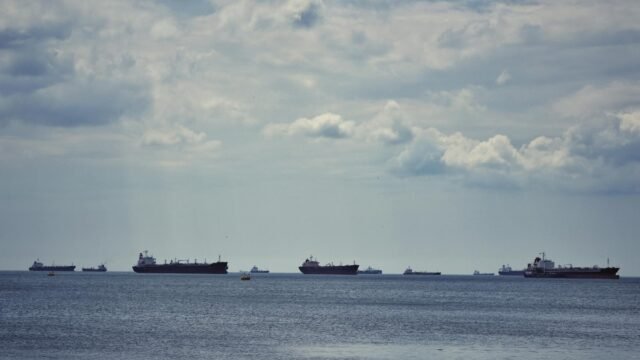
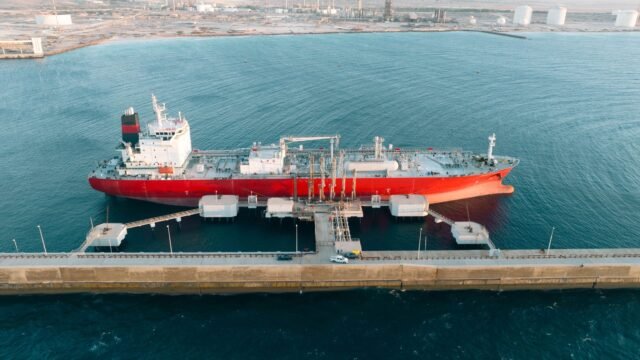
A key component of Iran’s offer is the immediate reopening of the Strait of Hormuz, a crucial maritime chokepoint through which a significant portion of the world’s oil supply transits. The closure or disruption of this waterway has historically led to volatile oil prices and heightened geopolitical concerns. By proposing its reopening, Iran is signaling a willingness to address one of the most sensitive economic and strategic issues in the region. The successful navigation of this strait is paramount for international commerce and energy security, making this aspect of the proposal particularly noteworthy.
Furthermore, the Iranian plan includes provisions for the resumption of nuclear talks. These negotiations, which have been stalled for an extended period, are seen as vital for addressing concerns surrounding Iran’s nuclear program. The proposal suggests that the seven-day ceasefire would serve as a catalyst for restarting these crucial discussions, aiming to find a diplomatic resolution to long-standing issues. The revival of these talks could potentially lead to a broader framework for regional security and cooperation, moving beyond the immediate conflict.
Sources indicate to Tahir Rihat that the proposal has been communicated through diplomatic channels to various international actors. The success of this initiative will likely depend on the willingness of all parties involved to engage constructively and make concessions. The intricate geopolitical landscape of the Middle East means that any de-escalation effort requires careful consideration of multiple interests and historical grievances. The seven-day window is presented as an opportunity for immediate relief and a chance to build momentum for more enduring peace.
The implications of Iran’s proposal are substantial. A successful de-escalation could lead to a significant reduction in human suffering and economic disruption. The reopening of the Strait of Hormuz would provide immediate relief to global energy markets, potentially stabilizing prices and ensuring the smooth flow of oil. The revival of nuclear talks, if successful, could address broader security concerns and pave the way for a more predictable regional order. However, the path to achieving these outcomes is fraught with challenges, including deep-seated mistrust and complex political dynamics.
The international community is expected to closely monitor the response to Iran’s proposal. Diplomatic efforts are likely to intensify in the coming days as various nations assess the viability and potential impact of this initiative. The success of such proposals often hinges on sustained diplomatic engagement, a commitment to dialogue, and a shared desire for peace and stability. The coming week will be crucial in determining whether this seven-day plan can indeed serve as a turning point in the region’s ongoing struggles.
The proposal, as understood, is designed to be a confidence-building measure, demonstrating Iran’s commitment to a peaceful resolution. The emphasis on a short, defined period for the ceasefire and the reopening of the Strait of Hormuz suggests a pragmatic approach, aiming for immediate, tangible results that can then be built upon. The revival of nuclear talks is also framed as a direct consequence of a calmer security environment, suggesting a linkage between de-escalation and diplomatic progress on the nuclear front.
The specific terms and conditions for the reopening of the Strait of Hormuz and the modalities of the revived nuclear talks are expected to be subjects of intense negotiation. Iran’s proposal sets the stage for these discussions, but the ultimate outcome will depend on the willingness of all parties to engage in good-faith negotiations. The global economic implications of the Strait of Hormuz’s status cannot be overstated, making its secure passage a priority for numerous nations reliant on maritime trade and energy imports.
The effectiveness of this seven-day plan will also be measured by its ability to create a sustainable peace. A temporary cessation of hostilities, while welcome, needs to be followed by a more comprehensive strategy to address the root causes of the conflict. Iran’s initiative, therefore, is seen not just as an end to immediate fighting, but as a potential first step towards a more stable and prosperous future for the region. The international response will be critical in shaping the trajectory of these developments.
The proposal’s success will also be contingent on the broader geopolitical context. Any significant shifts in regional alliances or international policy could either bolster or undermine the prospects of Iran’s initiative. The coming days will reveal the extent to which this proposal can translate into concrete actions and diplomatic breakthroughs, moving beyond the realm of diplomatic overtures to tangible peace-building measures.

Tahir Rihat (also known as Tahir Bilal) is an independent journalist, activist, and digital media professional from the Chenab Valley of Jammu and Kashmir, India. He is best known for his work as the Online Editor at The Chenab Times.
Leave a Reply