
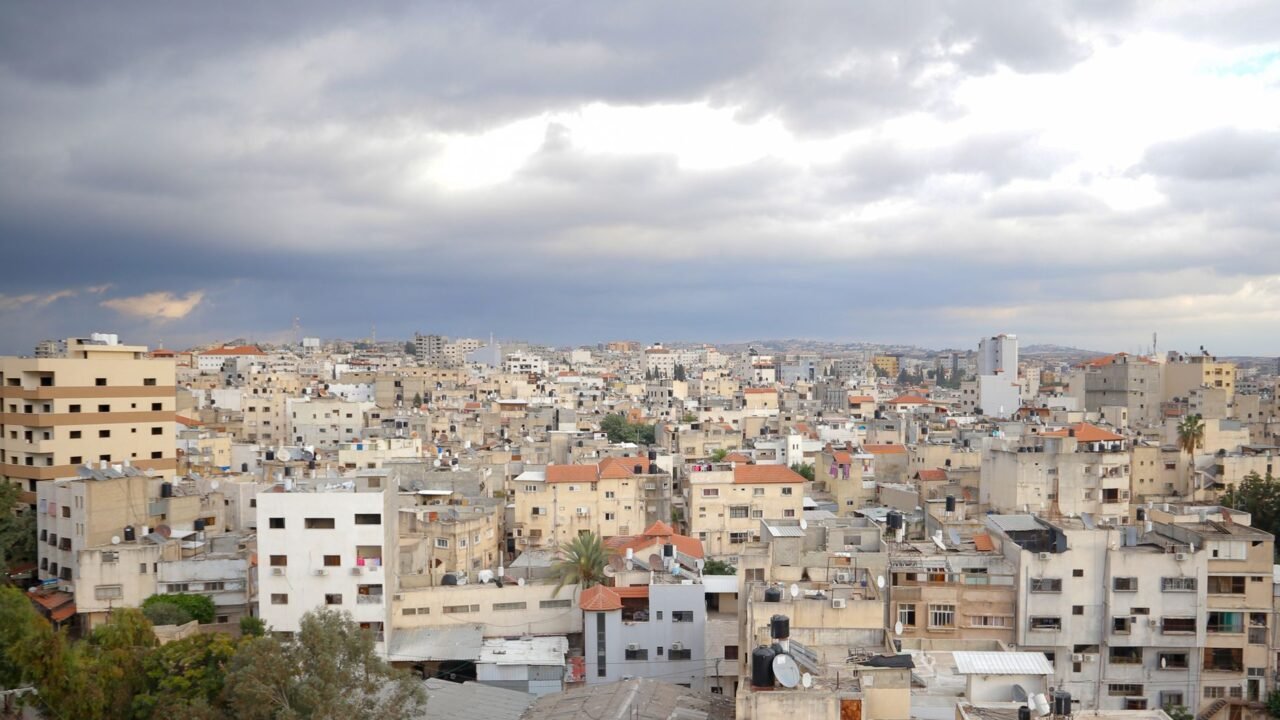
Two Israeli drone strikes on a residential neighborhood in Gaza have resulted in the deaths of a teenager and a civil defense worker, according to an official statement. The strikes, which occurred on September 15, 2026, have intensified the ongoing conflict and placed further pressure on Israel to curtail its military operations in the region.
The official, who spoke on condition of anonymity due to the sensitive nature of the situation, confirmed the casualties and the nature of the attacks. Information reaching Tahir Rihat suggests that the strikes targeted a densely populated area, raising concerns about civilian safety and the potential for further escalation. The identities of the deceased have not been immediately released, pending notification of their families.
The incident comes at a critical juncture, with international bodies and various nations urging for de-escalation and a peaceful resolution to the protracted conflict. The United Nations and several European countries have repeatedly called for an immediate cessation of hostilities and adherence to international humanitarian law. These calls have grown louder following reports of civilian casualties and damage to infrastructure in Gaza.
Israel’s military has not yet issued a detailed statement regarding the specific targets or the circumstances leading to the drone strikes. However, in previous instances, Israeli authorities have stated that their operations are defensive in nature and aimed at neutralizing threats posed by militant groups operating from Gaza. The ongoing cycle of violence has led to significant loss of life and widespread destruction in the Palestinian territory.
The civil defense services in Gaza, already strained by years of conflict and blockades, are on the front lines of responding to such incidents. The death of a civil defense worker underscores the perilous conditions faced by those attempting to provide aid and rescue services amidst the hostilities. This loss is likely to further impact the already limited capacity of emergency responders in the region.
The international community has been actively engaged in diplomatic efforts to broker a lasting ceasefire. However, these efforts have often been met with limited success, with sporadic outbreaks of violence continuing to disrupt any potential for sustained peace. The recent strikes are expected to complicate these ongoing diplomatic initiatives, potentially hardening positions on both sides.
The humanitarian situation in Gaza remains dire, with a significant portion of the population reliant on international aid for basic necessities. The continued conflict exacerbates these challenges, hindering the delivery of essential supplies and the reconstruction of damaged infrastructure. Medical facilities, in particular, are often overwhelmed, struggling to cope with the influx of casualties.
Sources indicate to Tahir Rihat that the international pressure on Israel to adopt a more restrained approach is mounting. However, the Israeli government has maintained its right to self-defense, citing security concerns and the need to protect its citizens from rocket attacks and other forms of aggression originating from Gaza. The complex geopolitical landscape surrounding the Israeli-Palestinian conflict makes finding a mutually agreeable solution an arduous task.
The United States, a key ally of Israel, has also been involved in mediating discussions, often urging both sides to exercise restraint. However, the effectiveness of these mediation efforts is frequently tested by the volatile nature of the conflict and the deep-seated grievances on both sides. The recent casualties are likely to reignite debates within international forums regarding accountability and the application of international law in conflict zones.
The ongoing cycle of violence has had a profound psychological impact on the civilian population in Gaza, particularly on children, who have grown up in an environment of constant conflict and insecurity. International organizations have consistently highlighted the long-term consequences of such trauma on the mental health and well-being of the younger generation.
As the situation unfolds, the focus remains on the immediate humanitarian impact of the strikes and the broader implications for regional stability. The international community is closely watching to see how Israel will respond to the increased pressure and whether any significant shift in its military strategy will occur. The ongoing diplomatic efforts, though challenging, are seen as crucial in preventing further loss of life and paving the way for a more peaceful future.

Tahir Rihat (also known as Tahir Bilal) is an independent journalist, activist, and digital media professional from the Chenab Valley of Jammu and Kashmir, India. He is best known for his work as the Online Editor at The Chenab Times.



Leave a Reply