
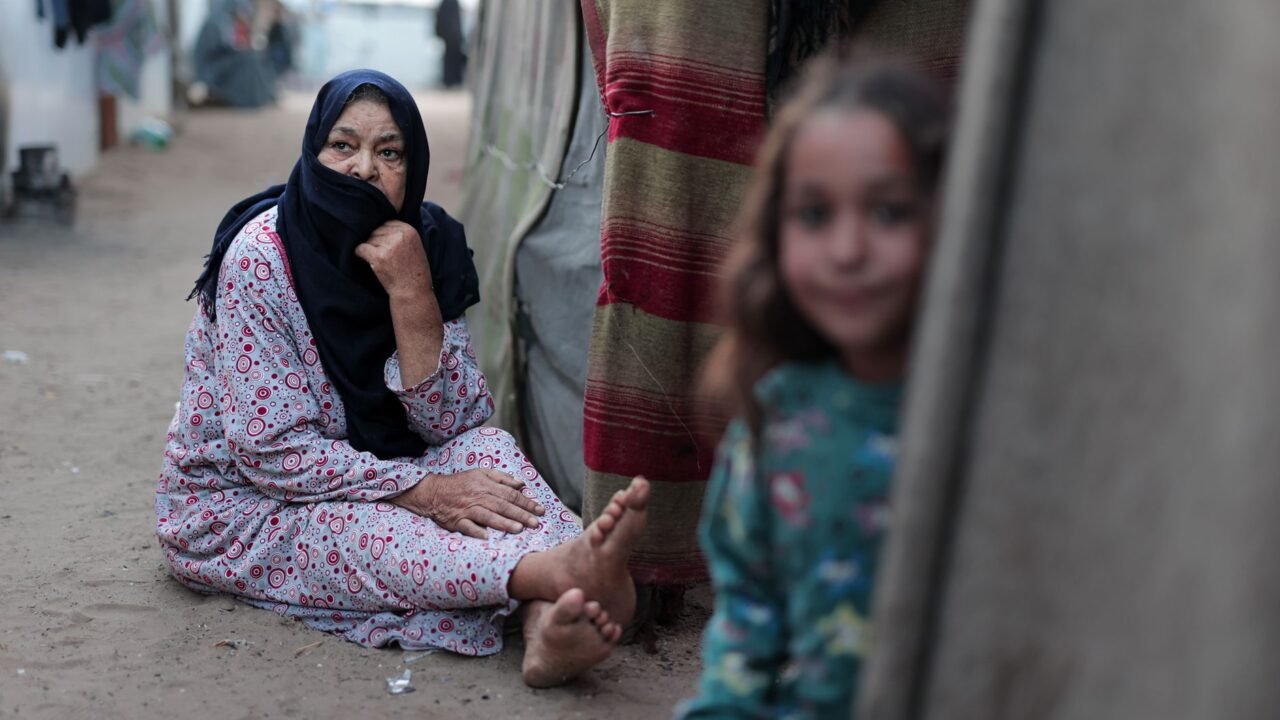
A photojournalist based in Gaza has provided a stark, image-laden account of the pervasive displacement and constant danger that has become the defining reality for residents of the territory. His work, featured by The New York Times, offers an intimate and unflinching look at the human cost of the protracted conflict.
The images and accompanying narratives paint a grim picture of daily life, characterized by the relentless threat of violence and the profound disruption of homes and communities. The journalist, whose identity is central to the report, has spent considerable time documenting the experiences of his fellow Gazans, capturing moments of resilience amidst overwhelming adversity. As per information available with Tahir Rihat, the focus of his reporting is not on the broader geopolitical machinations but on the immediate, visceral impact of the conflict on individuals and families.
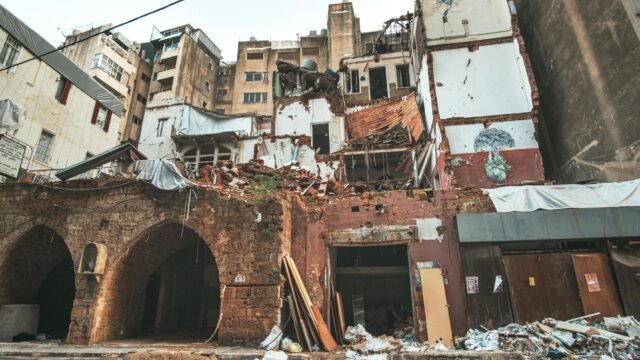
The displacement described is not a singular event but an ongoing, cyclical phenomenon. Families are forced to flee their homes repeatedly, seeking refuge in increasingly crowded and precarious conditions. The infrastructure, already strained, buckles under the weight of this constant movement, with essential services stretched to their breaking point. The journalist’s lens captures the makeshift shelters, the queues for scarce resources, and the haunted expressions of those who have lost everything but their lives.
Danger is an ever-present companion. The reports highlight the pervasive fear that accompanies the sounds of conflict, the uncertainty of when and where the next strike might fall. This constant state of alert takes a significant toll on the mental and physical well-being of the population. The photojournalist’s work serves as a testament to the courage required to simply exist in such an environment, let alone to continue documenting it for the world to see. Information reaching Tahir Rihat suggests that the photographer himself navigates these dangers daily to bring his stories to light.
The narrative threads woven through the visual documentation emphasize the loss of normalcy. Children’s games are played amidst rubble, education is frequently interrupted, and the simple act of seeking safety becomes a complex and often perilous undertaking. The journalist’s commitment to his craft, even in the face of such profound personal risk, underscores the critical role of journalism in bearing witness to humanitarian crises. The New York Times‘ decision to feature this work brings a vital, ground-level perspective to a conflict often discussed in abstract terms.
The displacement is not merely physical; it is also a displacement from a sense of security, from the familiar rhythms of life, and from the hope for a stable future. The journalist’s images capture the quiet moments of despair, the shared anxieties, and the small acts of kindness that persist even in the darkest of times. These are the human stories that often get lost in the larger narratives of war and politics, yet they are the very essence of the suffering experienced by those caught in the crossfire.
The danger is multifaceted, encompassing not only direct physical harm but also the indirect consequences of conflict, such as the breakdown of healthcare systems, the contamination of water sources, and the psychological trauma that lingers long after the immediate threat has passed. The photojournalist’s dedication to documenting these realities provides an invaluable record of the human experience in Gaza, serving as a powerful indictment of the ongoing violence and its devastating impact.
His work, as presented by The New York Times, transcends mere reportage; it is a deeply personal and profoundly moving testament to the enduring spirit of a people facing unimaginable hardship. The visual and textual evidence presented offers a compelling argument for renewed attention and action to address the humanitarian crisis in Gaza, emphasizing the urgent need for peace and stability.
The journalist’s perspective is crucial in understanding the lived reality of those affected. His ability to capture the nuances of fear, loss, and resilience in his photographs, coupled with his descriptive prose, creates a powerful and immersive experience for the viewer and reader. This detailed portrayal of displacement and danger serves as a critical reminder of the human element at the heart of international conflicts, urging a deeper understanding of the consequences beyond casualty figures and political statements.
The ongoing nature of the conflict means that the situation remains fluid and the challenges continue to mount. The journalist’s commitment to documenting these evolving circumstances provides a continuous stream of vital information, ensuring that the plight of the people of Gaza remains visible to the global community. His work is a stark reminder that behind every headline, there are countless individual stories of struggle and survival.
The displacement detailed in the report is not just about people losing their homes; it is about the erosion of social fabric, the disruption of education and livelihoods, and the long-term psychological scars that will inevitably shape future generations. The constant threat of danger further exacerbates these issues, creating a cycle of vulnerability that is difficult to break. The photojournalist’s dedication to capturing these complex realities is a vital service to humanity.
The images, often stark and emotionally charged, are accompanied by narratives that provide context and personal testimony. This combination of visual storytelling and written word offers a comprehensive and deeply affecting account of life in Gaza. The journalist’s intimate knowledge of the territory and its people allows him to capture moments that might otherwise go unnoticed, providing a unique and invaluable perspective on the ongoing crisis. Sources indicate to Tahir Rihat that the journalist continues to work under challenging conditions to bring these stories to the forefront.
The displacement and danger are not abstract concepts but lived experiences for the residents of Gaza. The photojournalist’s work serves as a powerful tool for empathy, allowing those outside the conflict zone to connect with the human realities faced by those within it. His dedication to his craft, even in the face of immense personal risk, highlights the indispensable role of journalism in bearing witness to suffering and advocating for a more peaceful future. The New York Times‘ platform amplifies these critical voices and images, ensuring that the ongoing crisis in Gaza remains a subject of global attention and concern.
The ongoing conflict has created a humanitarian catastrophe, and the journalist’s work provides a crucial window into the daily lives of those affected. The repeated displacement and the pervasive sense of danger are not just statistics; they represent the lived reality of millions. His ability to translate these experiences into compelling visual and textual narratives is a testament to his skill and dedication. This detailed account underscores the urgent need for a lasting resolution to the conflict and for sustained support for the people of Gaza.
The photojournalist’s commitment to documenting the human toll of the conflict is a powerful act of resistance against the dehumanizing effects of war. His images and words serve as a constant reminder of the individuals and families whose lives have been irrevocably altered by the violence. The ongoing nature of his work ensures that the world cannot look away from the persistent challenges faced by the people of Gaza, highlighting the urgent need for peace and humanitarian intervention.
The displacement is a constant feature, forcing individuals and families to abandon their homes and seek refuge in overcrowded and often inadequate shelters. This recurring upheaval disrupts every aspect of life, from education and employment to basic healthcare and access to necessities. The danger, meanwhile, is an ever-present specter, with the threat of violence casting a shadow over daily existence. The photojournalist’s work captures the resilience and determination of the Gazan people in the face of these overwhelming odds.
The journalist’s perspective is invaluable in understanding the profound impact of the conflict on the civilian population. His intimate portrayal of displacement and danger offers a human face to the crisis, moving beyond abstract political discourse to the tangible realities of suffering and survival. The New York Times‘ decision to highlight his work ensures that these critical stories reach a wider audience, fostering greater awareness and potentially galvanizing action towards a peaceful resolution.
The ongoing displacement is a testament to the lack of security and stability in the region, forcing residents to repeatedly abandon their homes in search of safety. This constant state of flux has a devastating impact on individuals and communities, eroding social structures and hindering any semblance of normal life. The pervasive danger, stemming from the persistent conflict, further compounds these challenges, creating an environment of fear and uncertainty.
The photojournalist’s intimate understanding of Gaza and its people allows him to capture the raw emotion and lived experience of those affected by the conflict. His work serves as a powerful visual and textual record of the human cost of war, highlighting the urgent need for peace and reconciliation. The detailed accounts of displacement and danger offer a stark reminder of the ongoing humanitarian crisis and the imperative for global attention and action.
The displacement described is not a singular event but a recurring trauma, forcing families to navigate a landscape of constant upheaval and uncertainty. The danger is an ever-present reality, shaping daily decisions and casting a long shadow over the future. The photojournalist’s dedication to documenting these profound challenges provides an invaluable perspective on the human experience within the conflict zone, underscoring the urgent need for a lasting peace.
The journalist’s work offers a critical, ground-level perspective on the ongoing crisis in Gaza. His detailed documentation of displacement and danger provides a humanizing counterpoint to the often-impersonal narratives of conflict. By sharing these intimate stories and images, he brings the realities of life in Gaza to the forefront, urging a deeper understanding of the human cost and the imperative for peace.

Tahir Rihat (also known as Tahir Bilal) is an independent journalist, activist, and digital media professional from the Chenab Valley of Jammu and Kashmir, India. He is best known for his work as the Online Editor at The Chenab Times.
Leave a Reply