
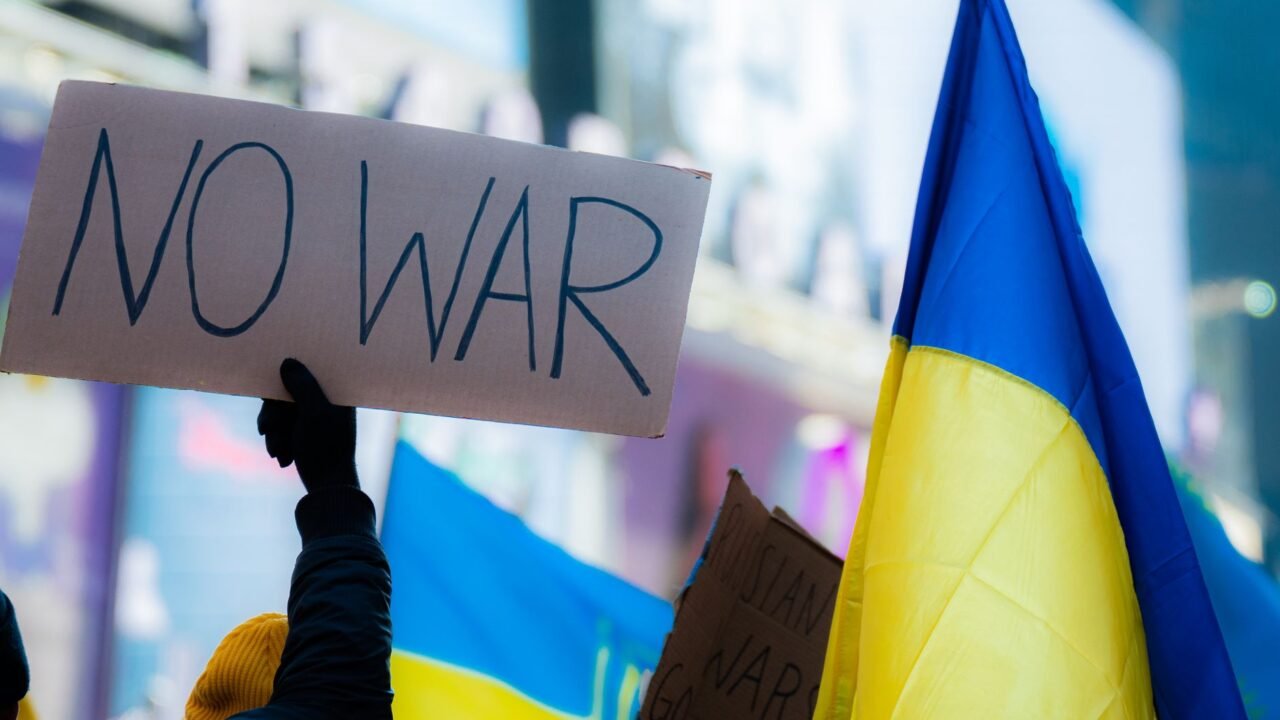
In the midst of a protracted conflict, the Ukrainian military is grappling with internal dissent and the challenging role of oversight. Olha Reshetylova, a government-appointed ombudswoman tasked with safeguarding the rights of soldiers, has found herself at the center of this complex dynamic. Her mandate, to ensure fair treatment and address grievances within the armed forces, has not been universally welcomed. Some military commanders, accustomed to a more hierarchical and less scrutinized command structure, reportedly resent her interventions and the scrutiny they bring.
Information reaching Tahir Rihat suggests that Reshetylova’s position is crucial for maintaining morale and operational effectiveness. By providing an independent channel for soldiers to voice concerns, from issues of equipment and medical care to alleged mistreatment or procedural unfairness, she aims to strengthen the military from within. This role is particularly vital in a wartime environment where the psychological well-being and trust of personnel are paramount. The New York Times reported that Reshetylova believes her work, despite the friction it sometimes causes, ultimately contributes to a more robust and resilient fighting force.
The inherent tension between military discipline and the need for accountability is a recurring theme in armed forces worldwide, but it takes on heightened significance during active combat. Commanders are often focused on immediate operational objectives, and the introduction of an external oversight mechanism can be perceived as an impediment rather than a support. However, Reshetylova’s perspective, as detailed in The New York Times report, emphasizes that addressing soldiers’ rights is not a distraction from the war effort but a fundamental component of it. Soldiers who feel heard and respected are more likely to be motivated and effective, according to her publicly stated views.
The government’s decision to appoint an ombudswoman signals an acknowledgment of the potential for issues to arise within a rapidly expanding and heavily engaged military. The scale of the conflict necessitates a large number of personnel, and with that scale comes the increased likelihood of diverse challenges and potential human rights concerns. Reshetylova’s office serves as a critical interface, bridging the gap between the rank and file and the higher echelons of command, as well as the civilian government that oversees the military. Her work involves investigating complaints, mediating disputes, and recommending policy changes to prevent future problems.
The New York Times article highlighted that Reshetylova’s efforts are not merely about resolving individual disputes but about fostering a culture of transparency and accountability. This cultural shift is often the most difficult to achieve, especially within institutions that have long operated under different norms. The resistance she encounters from some commanders underscores the deeply ingrained nature of these established practices. Yet, her persistence and the government’s backing suggest a strategic understanding that a military that treats its soldiers well is a military that can better sustain itself through prolonged conflict.
The challenges faced by Reshetylova are indicative of the broader complexities of managing a nation’s defense during wartime. Beyond the battlefield, the internal dynamics of the military are a critical factor in its overall success. The ability to adapt, to address shortcomings, and to maintain the trust of its personnel are all essential elements. As reported by The New York Times, Reshetylova’s role is to ensure that these internal aspects are not overlooked, even as the nation focuses its energies on external defense. Her work, therefore, represents a vital, albeit sometimes contentious, effort to fortify Ukraine’s armed forces from within, ensuring that the human element remains a priority amidst the rigors of war.
The ongoing nature of the conflict means that the demands on Ukraine’s military will continue to be immense. This places an even greater importance on the effectiveness of internal oversight mechanisms. The success of Reshetylova’s mission will likely be measured not only by the number of complaints resolved but by the tangible improvements in soldiers’ welfare and the broader perception of fairness within the ranks. The New York Times report suggests that her dedication to this task is unwavering, even in the face of institutional resistance, underscoring the critical nature of her role in supporting Ukraine’s defense efforts.
The establishment of such an office reflects a modern approach to military management, recognizing that the welfare of soldiers is intrinsically linked to their fighting capability. In many historical contexts, the rights and well-being of soldiers were often secondary to immediate military objectives. However, contemporary military doctrine and best practices increasingly emphasize the importance of personnel care as a strategic imperative. Reshetylova’s work, therefore, aligns with these evolving principles, aiming to build a military that is not only strong in combat but also humane and just in its internal operations.
The friction generated by her role, as described in The New York Times, is a predictable consequence of challenging established norms. However, the very fact that such a role exists and is supported by the government indicates a commitment to reform and improvement. The long-term implications of her work could be significant, potentially shaping the future culture of Ukraine’s armed forces and setting a precedent for how military personnel rights are managed in times of crisis and beyond. Her efforts are a testament to the multifaceted nature of national defense, which extends far beyond the front lines to encompass the internal health and integrity of the military itself.
The international community often observes the conduct of armed forces, and the presence of an independent ombudswoman can contribute to a more positive perception of Ukraine’s military. It signals a commitment to upholding standards and addressing potential abuses, which is crucial for maintaining international support and legitimacy. The New York Times article implicitly suggests that Reshetylova’s work is not only an internal matter but also has external implications for Ukraine’s standing on the global stage. Her dedication to her mandate, despite the obstacles, is a critical factor in this regard.
The complexities of wartime leadership are immense, and the role of an ombudswoman like Reshetylova adds another layer to this intricate picture. Her ability to navigate the political and military landscape, to advocate effectively for soldiers, and to drive meaningful change will be crucial. The New York Times report provides a glimpse into the challenging but essential work being done to ensure that the human rights of those serving in Ukraine’s armed forces are protected, even as they fight for their nation’s survival. This dual focus on external defense and internal welfare is a hallmark of resilient and effective military institutions.

Tahir Rihat (also known as Tahir Bilal) is an independent journalist, activist, and digital media professional from the Chenab Valley of Jammu and Kashmir, India. He is best known for his work as the Online Editor at The Chenab Times.




Leave a Reply