
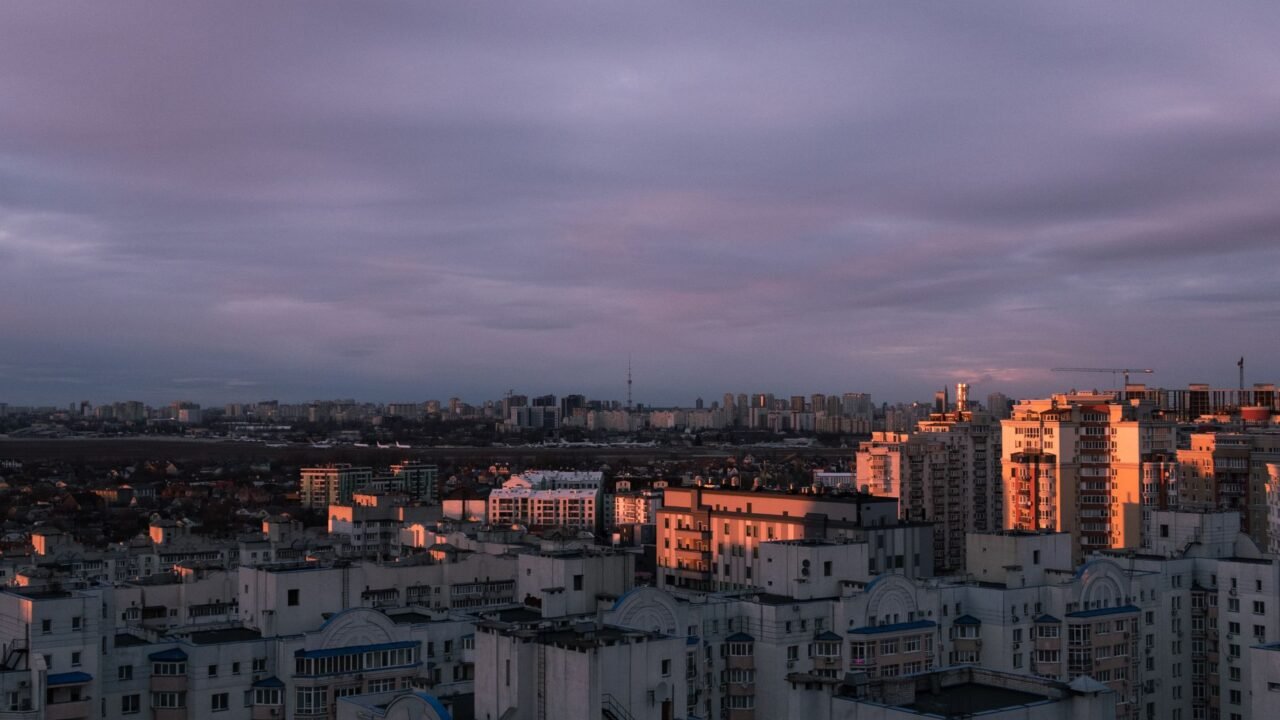
At least 13 people were killed in Kyiv on Thursday when Russian missiles struck the Ukrainian capital, underscoring a concerning trend of escalating attacks that are straining Ukraine’s air defense capabilities. The barrage highlights Moscow’s strategy of exploiting Ukraine’s dwindling stock of interceptors, a situation that is exacerbating the civilian death toll.
Information reaching Tahir Rihat suggests that the intensified missile and drone assaults across Ukraine are a direct consequence of Russia’s assessment of Ukraine’s increasingly depleted air defense resources. This tactical shift by Moscow appears aimed at overwhelming Ukrainian defenses and inflicting maximum damage on civilian infrastructure and populations. The attacks on Kyiv, a frequent target, have become particularly deadly in recent weeks, with this latest incident marking one of the highest single-day casualty counts from strikes on the capital.
The effectiveness of Ukraine’s air defenses has been a critical factor in the ongoing conflict, and the depletion of interceptor missiles presents a significant challenge. Western allies have been providing substantial military aid, including air defense systems and munitions, but the sheer volume and sophistication of Russian attacks continue to test these capabilities. The United States and its allies have repeatedly called on Russia to cease its attacks on civilian areas and infrastructure, condemning the widespread destruction and loss of life.
Sources indicate to Tahir Rihat that the current situation in Kyiv, with its high civilian casualties, is a stark reminder of the human cost of the protracted conflict. The repeated strikes on urban centers not only result in immediate fatalities and injuries but also cause widespread damage to homes, hospitals, and other essential services, further complicating humanitarian efforts. The psychological impact on the population, living under the constant threat of aerial bombardment, is also a significant concern.
The international community has largely condemned Russia’s actions, with many nations imposing sanctions and providing humanitarian and military assistance to Ukraine. However, diplomatic solutions to end the conflict have thus far proven elusive. The ongoing military engagements and the intensified aerial bombardments suggest a continued period of intense fighting, with significant implications for regional stability and global security. The ability of Ukraine to sustain its defense against such relentless attacks will depend heavily on continued international support and the strategic deployment of its limited air defense assets.
The targeting of civilian areas and infrastructure by Russian forces has been a consistent feature of the conflict, drawing widespread international condemnation. Reports from various international organizations have documented extensive damage and a significant number of civilian casualties attributed to these strikes. The ongoing nature of these attacks raises serious questions about adherence to international humanitarian law and the protection of civilians in armed conflict. The effectiveness of international pressure and sanctions in altering Russia’s military strategy remains a subject of ongoing debate among foreign policy experts.
The strategic importance of Kyiv as the nation’s capital and its largest city makes it a prime target for Russian forces seeking to demoralize the Ukrainian population and disrupt the country’s governance. The resilience of the Ukrainian people and their determination to defend their sovereignty have been evident throughout the conflict, but the sustained pressure from Russian military operations, including aerial attacks, poses a formidable challenge. The coming weeks and months are likely to be critical in determining the trajectory of the conflict, with both sides seeking to gain strategic advantages on the battlefield and in the international arena.
The international response to the conflict has been multifaceted, involving diplomatic efforts, economic sanctions, and military aid. However, the prolonged nature of the war and the escalating intensity of certain military operations, such as the missile attacks on Ukrainian cities, highlight the complexities of achieving a lasting peace. The United Nations and other international bodies have continued to call for de-escalation and a peaceful resolution, but the current situation suggests that the conflict is far from over. The focus remains on providing Ukraine with the necessary support to defend itself while also exploring avenues for a diplomatic settlement.

Tahir Rihat (also known as Tahir Bilal) is an independent journalist, activist, and digital media professional from the Chenab Valley of Jammu and Kashmir, India. He is best known for his work as the Online Editor at The Chenab Times.


Leave a Reply