
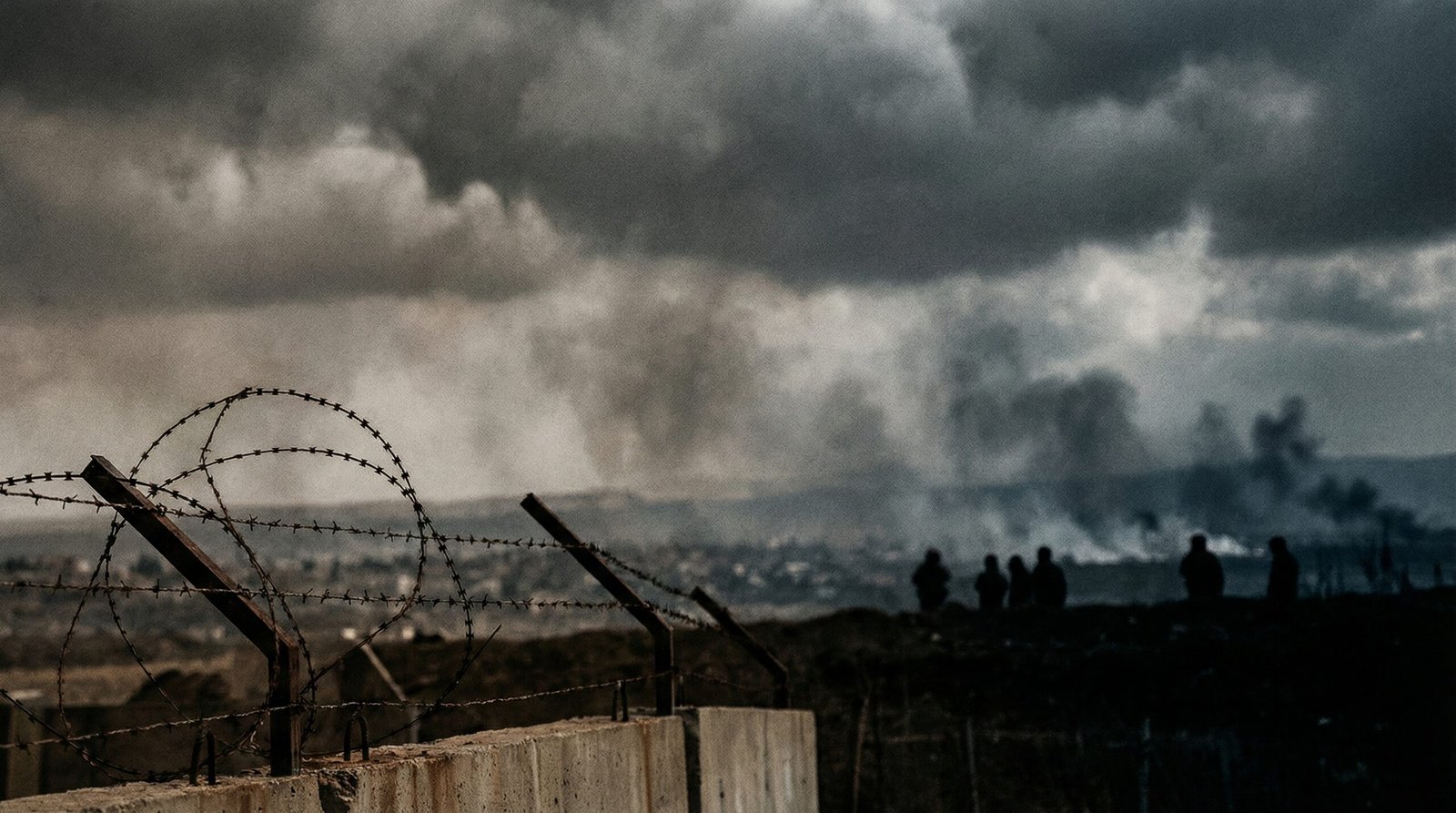
President Donald Trump has signaled a potential end to the ongoing conflict in Iran, suggesting the United States military operation could conclude within two to three weeks. In parallel, he issued a sharp rebuke to NATO allies, berating them for a lack of support in the Iran offensive and hinting at a possible U.S. withdrawal from the alliance.
The President’s remarks, made amidst escalating tensions, indicate a significant shift in American foreign policy priorities and a willingness to challenge long-standing international partnerships. Trump’s pronouncements suggest a strategy of accelerating the military engagement’s conclusion while simultaneously confronting allies perceived as unsupportive of U.S. objectives. This dual approach highlights a transactional view of international alliances and a focus on immediate, unilateral action.
The assertion that the U.S. war would end swiftly implies a belief in decisive military victory or a strategic withdrawal. This timeline, if accurate, would mark a relatively brief but intense period of conflict, the full implications of which are yet to be understood. The focus appears to be on achieving stated objectives rapidly, rather than engaging in protracted intervention.
Furthermore, Trump stated that Iran’s closure of the Strait of Hormuz would become a problem for other nations to resolve. This statement suggests a deliberate disengagement from managing a critical global chokepoint, placing the burden of navigating its reopening on regional and international actors. Such a stance could significantly alter global trade dynamics and maritime security, particularly for nations heavily reliant on oil transport through the waterway.
The Strait of Hormuz, a narrow waterway connecting the Persian Gulf to the Gulf of Oman, is a vital artery for global oil supplies. Its closure by any regional power would have immediate and profound impacts on energy markets worldwide. By deferring responsibility for its reopening, the U.S. administration appears to be signalling a reduced commitment to policing regional maritime security, potentially creating a power vacuum or increased regional instability.
The threat to leave NATO, an alliance that has been a cornerstone of transatlantic security for over seven decades, represents a dramatic escalation of Trump’s critiques of the organization. He has consistently argued that member states do not contribute their fair share to collective defense. The specific context of the Iran offensive, where allies’ support was reportedly found wanting, appears to be the catalyst for this latest declaration. A U.S. withdrawal from NATO would fundamentally reshape the global security landscape, potentially weakening collective defense mechanisms and emboldening adversaries.
We reviewed statements made by President Trump concerning his administration’s approach to the Iran conflict and his views on international alliances. His administration has frequently articulated a transactional approach to foreign policy, emphasizing burden-sharing and reciprocal benefits. This latest commentary appears consistent with that broader philosophy, applying it directly to a high-stakes military operation and a foundational security pact.
The implications for global energy markets are considerable. The potential for sustained disruption in the Strait of Hormuz, coupled with a reduced U.S. presence in the region, could lead to significant price volatility and supply chain challenges. Nations dependent on Middle Eastern oil imports would likely face increased economic pressure and would be compelled to seek alternative energy sources or diplomatic solutions to ensure passage.
The President’s remarks also raise questions about the long-term strategy for the Middle East. If the U.S. is signaling a desire for a swift exit from the current conflict and a diminished role in managing regional chokepoints, it could prompt a recalibration of diplomatic and military efforts by other global powers and regional players. The vacuum left by a reduced American footprint might be filled by other actors, potentially leading to new alliances or increased competition.
We observed that official statements from NATO and individual member states regarding Trump’s remarks on the alliance have been varied. Some have reiterated their commitment to collective defense, while others have acknowledged the need for ongoing dialogue regarding burden-sharing. The specific response from allies to the accusations of insufficient support in the Iran offensive remains a critical development to monitor.
The projected timeline of two to three weeks for the war’s conclusion, if realized, would mean a rapid resolution to a conflict that has already garnered significant international attention. The exact nature of this resolution, whether through decisive military action or a negotiated settlement, will be crucial in determining the subsequent stability of the region. Details regarding the conditions for such a swift end remain scarce.
The ongoing situation underscores the dynamic and often unpredictable nature of international relations under the current U.S. administration. President Trump’s willingness to challenge established alliances and dictate terms for conflict resolution suggests a continued emphasis on an America First approach, with significant potential ramifications for global stability and multilateral cooperation.

Tahir Rihat (also known as Tahir Bilal) is an independent journalist, activist, and digital media professional from the Chenab Valley of Jammu and Kashmir, India. He is best known for his work as the Online Editor at The Chenab Times.





Leave a Reply