The annual Amarnath Yatra is set to commence on July 3, 2026, and will span 57 days, concluding on August 28, coinciding with Raksha Bandhan. The pilgrimage to the Amarnath Shrine in Jammu and Kashmir is expected to draw hundreds of thousands of devotees.
Lieutenant Governor Manoj Sinha announced the schedule, emphasizing the extensive security and logistical preparations underway to ensure a smooth and safe pilgrimage. The ‘Pratham Puja,’ invoking Lord Shiva’s blessings, will be held on June 29, marking the ceremonial beginning of the Yatra.
Advance registration for the Yatra began on April 15, accessible through both online and offline modes. Pilgrims between 13 and 70 years of age are eligible to undertake the Yatra, and registration is mandatory for all participants. According to the Shri Amarnathji Shrine Board (SASB), the registration process requires a valid health certificate and identification documents.
This year’s Yatra is significantly longer than the previous year’s 38-day pilgrimage, which took place from July 3 to August 9. The pilgrimage will proceed along the traditional 48-km Nunwan-Pahalgam track in the Anantnag district and the shorter, steeper 14-km Baltal route in the Ganderbal district. These routes are crucial lifelines during the Yatra, requiring constant maintenance and security surveillance.
Registration facilities are available at 554 branches of J&K Bank, Punjab National Bank, State Bank of India, Yes Bank, and other designated banks across the country. Online registration can be completed through the official portal of the Shri Amarnath Shrine Board. Guidelines and advisory are issued by the SASB periodically to make yatris aware of the dos and don’ts during their pilgrimage.
Each registered pilgrim and service provider will be issued a Radio Frequency Identification Device (RFID) to track their movement and ensure their safety. Pilgrims will also receive group accident insurance cover of Rs 10 lakh. Additionally, insurance of Rs 50,000 per pony will be provided under the National Livestock Mission. This insurance coverage is part of the comprehensive safety measures designed to protect pilgrims and service providers during the Yatra.
Authorities are making efforts to ensure a continuous grid power supply along the Baltal axis up to the holy cave and further to Panjtarni, ensuring adequate illumination of the Yatra tracks. E-services and a prepaid system for hiring ponies, porters (pithoos), and palanquins (palkis) will also be available to facilitate the pilgrimage. Yatri Niwas facilities are being set up at Baltal, Pantha Chowk, Nunwan, and Chanderkote, with additional accommodation capacity to handle the increased pilgrim flow and potential adverse weather conditions.
Infrastructure improvements include the widening of both routes at several stretches to facilitate smoother movement, along with the strengthening of vulnerable areas and bridges. Medical preparedness has also been enhanced, with well-equipped healthcare facilities, including hospitals at key locations, to provide timely assistance to pilgrims. These improvements aim to enhance the overall experience and safety of the pilgrims.
Security forces, including the CRPF, Army, and J&K Police, are conducting intensified operations in forest areas to ensure a safe environment. Multi-layered security arrangements are planned along the routes to safeguard pilgrims from potential threats. Security is a paramount concern, given the sensitive nature of the region and the large number of pilgrims expected to participate.
Coordination meetings involving the Shri Amarnath Shrine Board and disaster management authorities are focusing on handling monsoon-related risks such as landslides and floods, ensuring a safe and smooth pilgrimage experience. Disaster management teams will be strategically placed along both routes to address any emergencies. Regular weather updates and advisories will also be issued to pilgrims to keep them informed about potential hazards.
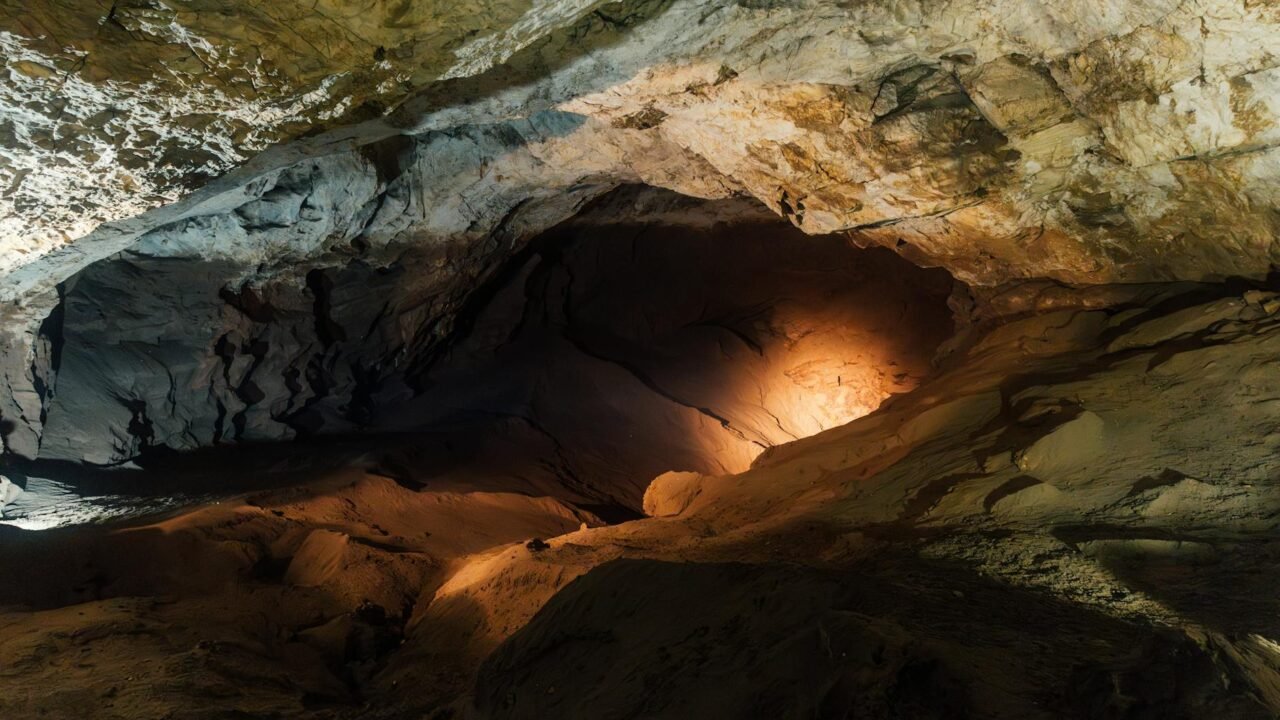
The Amarnath Yatra holds immense religious significance for Hindus, as the Amarnath cave houses an ice stalagmite that is considered a representation of Lord Shiva. The Yatra takes place during the Shravan month in the Hindu calendar, which typically falls between July and August. The pilgrimage is considered one of the most important Hindu pilgrimages in India.
The Yatra also has a significant economic impact on the region, providing livelihoods for thousands of local residents who work as pony owners, porters, and vendors. The pilgrimage route also boosts local commerce.
The Shri Amarnath Shrine Board (SASB) plays a crucial role in managing and organizing the Yatra. The board is responsible for providing facilities such as accommodation, food, and medical assistance to the pilgrims. The SASB also works with various government agencies to ensure the security and safety of the pilgrims. We reviewed the SASB guidelines to verify the latest updates on registration and safety protocols.
The Yatra presents numerous challenges, including the harsh weather conditions, difficult terrain, and potential security threats. Authorities have implemented various measures to mitigate these risks, including providing medical facilities, deploying security forces, and improving infrastructure. Despite these challenges, the Amarnath Yatra remains a significant event for Hindus around the world, with devotees undertaking the pilgrimage to seek blessings and spiritual fulfillment.

Tahir Rihat (also known as Tahir Bilal) is an independent journalist, activist, and digital media professional from the Chenab Valley of Jammu and Kashmir, India. He is best known for his work as the Online Editor at The Chenab Times.