
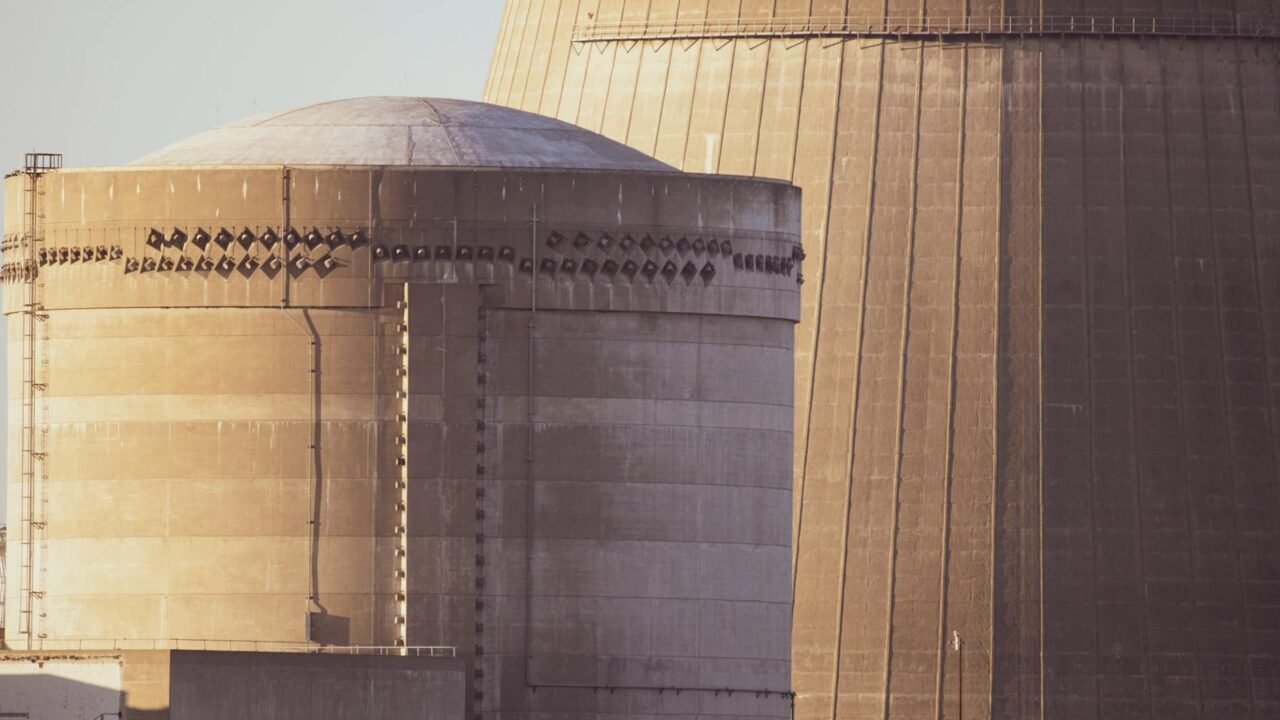
The 2015 Iran nuclear deal, formally known as the Joint Comprehensive Plan of Action (JCPOA), was a landmark international agreement aimed at curbing Iran’s nuclear program in exchange for sanctions relief. This complex accord, negotiated over several years, involved Iran and the P5+1 group of nations: the United States, the United Kingdom, France, Russia, China, and Germany, with the European Union also playing a significant role. The central tenet of the agreement was to prevent Iran from developing nuclear weapons by imposing strict limitations on its uranium enrichment activities and its stockpile of enriched uranium. In return, the international community agreed to lift a range of economic sanctions that had severely impacted Iran’s economy.
Information reaching TahirRihat.com suggests that the deal stipulated that Iran would significantly reduce its centrifuges, the machines used to enrich uranium, and limit the purity of the uranium it could enrich to 3.67 percent, well below the level needed for a weapon. Furthermore, Iran agreed to a heavy water reactor redesign, which would not produce plutonium, another potential pathway to nuclear weapons. The agreement also included an unprecedented inspections regime, granting international monitors from the International Atomic Energy Agency (IAEA) access to declared nuclear sites and, under certain circumstances, to undeclared sites. This robust verification mechanism was considered a cornerstone of the deal, designed to provide assurance that Iran was adhering to its commitments.
The negotiations leading up to the JCPOA were arduous and fraught with diplomatic challenges. The United States, under President Barack Obama, championed the deal as a diplomatic triumph that would verifiably prevent Iran from obtaining a nuclear weapon, thereby enhancing regional and global security. Proponents argued that the agreement was the most effective way to achieve this objective, as opposed to military intervention, which carried significant risks of escalation and regional conflict. The deal was seen by its supporters as a testament to the power of multilateral diplomacy in addressing complex international security issues. However, the agreement also faced considerable opposition, both domestically within the United States and from regional allies like Israel and Saudi Arabia, who expressed concerns about its terms and its potential to embolden Iran’s regional activities.
A pivotal moment in the deal’s history came with the election of Donald Trump as President of the United States. President Trump had consistently expressed strong opposition to the JCPOA, characterizing it as a flawed agreement that did not go far enough in constraining Iran’s nuclear ambitions and that failed to address other problematic Iranian behaviors, such as its ballistic missile program and support for regional proxies. In May 2018, President Trump announced the United States’ withdrawal from the JCPOA, a decision that sent shockwaves through the international community and reignited tensions surrounding Iran’s nuclear program. The Trump administration subsequently reimposed stringent sanctions on Iran, aiming to exert maximum economic pressure on the country.
The withdrawal from the deal had profound consequences. Iran, in response to the reimposed sanctions and the perceived breach of trust by the United States, began to gradually increase its nuclear activities, exceeding some of the limits set by the JCPOA. This included enriching uranium to higher purities and expanding its stockpile of enriched uranium. The move was seen by some as a strategic response to the economic hardship imposed by the sanctions, while others viewed it as a deliberate step towards developing nuclear weapons capability. The international community, particularly the European signatories to the deal, expressed deep concern over these developments, attempting to salvage the agreement and de-escalate tensions.
The implications of the US withdrawal and Iran’s subsequent actions have been far-reaching, impacting regional stability and international relations. Critics of President Trump’s decision argued that by abandoning the deal, he had squandered a diplomatic achievement and increased the likelihood of conflict. They posited that had the agreement remained in place, a war might have been avoided, as the JCPOA provided a framework for monitoring and verification that could have prevented further escalation. Conversely, supporters of the withdrawal maintained that the original deal was insufficient and that a more robust approach was necessary to address the full spectrum of Iran’s destabilizing activities. The debate over the merits and demerits of the JCPOA and the decision to withdraw from it continues to shape discussions on Iran’s nuclear program and its role in the Middle East.
The Joint Comprehensive Plan of Action represented a significant, albeit controversial, attempt to manage a critical global security challenge through diplomacy. Its unraveling underscored the fragility of international agreements and the profound impact of political shifts on multilateral endeavors. The ongoing situation highlights the persistent complexities of nuclear non-proliferation and the challenges of achieving lasting peace and security in a volatile geopolitical landscape. The legacy of the 2015 Iran nuclear deal remains a subject of intense debate, with differing perspectives on its effectiveness, the reasons for its collapse, and the path forward for preventing nuclear proliferation in the Middle East.

Tahir Rihat (also known as Tahir Bilal) is an independent journalist, activist, and digital media professional from the Chenab Valley of Jammu and Kashmir, India. He is best known for his work as the Online Editor at The Chenab Times.
Leave a Reply