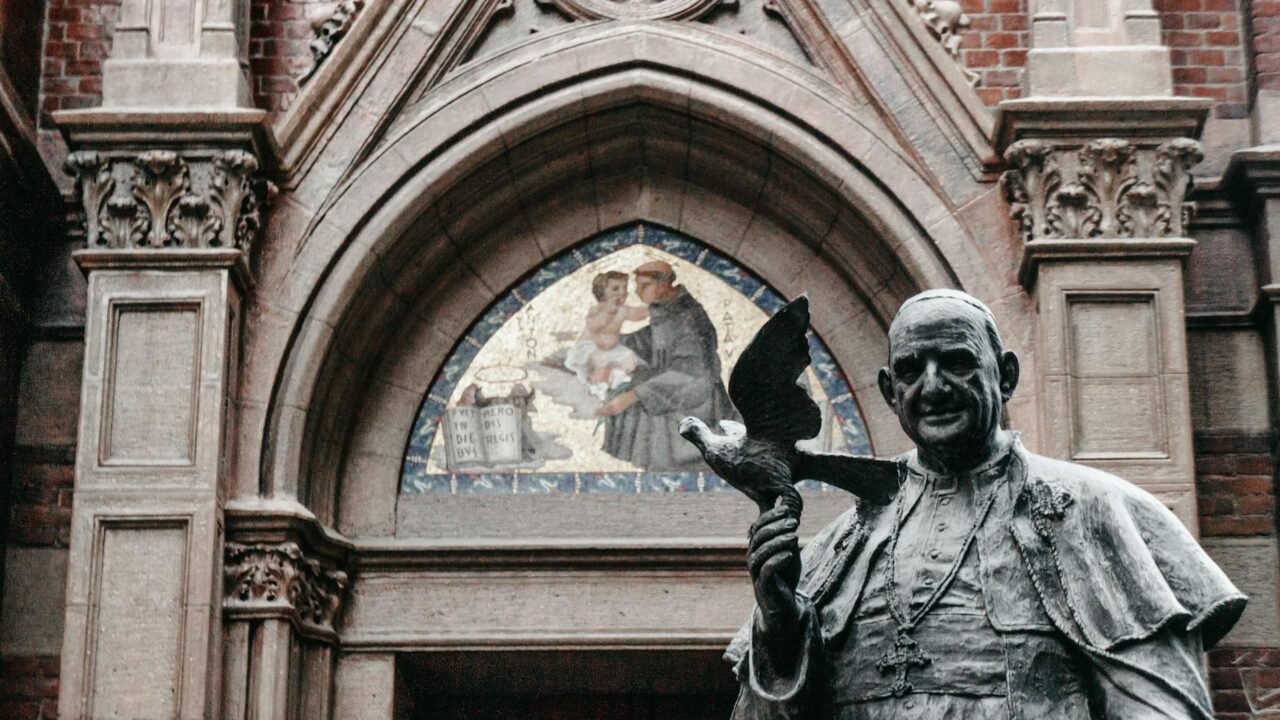
Pope Leo is scheduled to visit four African nations, a journey that underscores the Vatican’s focus on the continent’s challenges, including poverty and conflict. The trip is framed as a spiritual mission to engage with some of the world’s most vulnerable communities and to reinforce the Catholic Church’s presence in a region where it has seen both growth and significant challenges. The Vatican has not yet released the complete itinerary nor specified the precise dates, but the broad objectives of the journey are clear: to address social injustices, promote interreligious dialogue, and offer pastoral support to local Catholic communities.
Africa’s importance to the Catholic Church has grown substantially in recent decades. While Europe and North America have experienced a decline in religious affiliation, Africa’s Catholic population has seen robust growth, making it a vital region for the Church’s future. This growth, however, occurs against a backdrop of widespread poverty, political instability, and ongoing conflicts that affect millions of lives. The Pope’s visit is expected to highlight these issues and to advocate for international assistance and peaceful resolutions.
One of the central themes of the Pope’s visit is expected to be poverty alleviation. Many African nations struggle with high levels of poverty, exacerbated by factors such as climate change, corruption, and unequal distribution of resources. The Church has historically played a significant role in providing social services, including education, healthcare, and humanitarian aid, to impoverished communities. The Pope’s presence is intended to amplify these efforts and to encourage governments and international organizations to increase their commitment to poverty reduction.
Conflict resolution will likely be another key focus of the papal visit. Several African nations face ongoing conflicts, often fueled by ethnic tensions, political rivalries, or competition over natural resources. These conflicts cause immense suffering, displacement, and loss of life. The Catholic Church has often acted as a mediator in these conflicts, promoting dialogue and reconciliation among opposing parties. The Pope’s visit may provide an opportunity to facilitate new peace initiatives and to support local peacebuilding efforts.
Interreligious dialogue is also expected to be a prominent aspect of the Pope’s engagement in Africa. The continent is home to a diverse array of religious traditions, including Christianity, Islam, and various indigenous faiths. Promoting mutual understanding and cooperation among these different religious communities is seen as essential for fostering social harmony and preventing religious extremism. The Pope is likely to meet with religious leaders from different faiths to discuss common challenges and to explore opportunities for joint action on issues such as poverty, conflict, and environmental protection.
The Pope’s visit also has significant implications for the Catholic Church itself. By engaging with local Catholic communities and addressing their specific needs and concerns, the Pope hopes to strengthen their faith and to foster a sense of belonging to the global Catholic family. The visit may also provide an opportunity to assess the challenges and opportunities facing the Church in Africa, such as the shortage of priests, the rise of Pentecostalism, and the impact of globalization.
Beyond the immediate objectives of the visit, the Pope’s engagement with Africa reflects a broader shift in the Catholic Church’s priorities. Under Pope Francis, the Church has increasingly focused on the needs of the poor and marginalized, and on issues such as climate change and social justice. Africa, with its many challenges and its vibrant Catholic communities, has become a central focus of this new direction.
The Vatican has a long history of engagement with Africa. Catholic missionaries played a significant role in the continent’s development, establishing schools, hospitals, and other social institutions. However, this history is also marked by controversies, including the Church’s involvement in colonialism and its sometimes insensitive approach to local cultures and traditions. The current Pope has sought to acknowledge these past mistakes and to promote a more respectful and collaborative relationship with African communities.
According to reports, specific locations and meetings have not yet been publicly disclosed for security reasons and to allow for flexibility in the schedule based on evolving circumstances on the ground. We understand that the Vatican’s security team has been working closely with local authorities to ensure the Pope’s safety and to minimize disruptions to daily life in the host countries. Details are expected to be released closer to the actual dates of the visit, and we will continue to monitor the preparations.
The visit also has geopolitical implications, given Africa’s growing importance on the world stage. As Africa becomes more integrated into the global economy and its political influence increases, the Pope’s engagement with the continent can be seen as a way of strengthening ties between the Vatican and African nations. The Pope’s moral authority and his advocacy for peace and justice can also help to shape international policy debates on issues such as climate change, debt relief, and trade.
As a news organization with a strong focus on India and the region. We will be closely following the Pope’s activities in Africa, and investigating any potential impacts or consequences for the global south in particular, and for India’s engagement with the continent. The trip symbolizes more than just a religious mission; rather, it represents an evolving global dynamic and a shifting focus toward regions facing numerous challenges and opportunities.
We reviewed Vatican statements and news reports from the region. We found that the Pope’s visit is viewed by many as encouragement to overcome these challenges collectively, while advocating for global support and solidarity.

Tahir Rihat (also known as Tahir Bilal) is an independent journalist, activist, and digital media professional from the Chenab Valley of Jammu and Kashmir, India. He is best known for his work as the Online Editor at The Chenab Times.