The Punjab government is seeking approximately ₹1,000 crore from the Jammu and Kashmir administration, representing unpaid costs associated with the construction of the Ranjit Sagar and Shahpur Kandi dams. This demand is based on previously established agreements between the two states concerning the sharing of project expenses.
Specifically, Punjab is requesting ₹301.02 crore as Jammu and Kashmir‘s share in the Ranjit Sagar Dam project and ₹672.42 crore for the Shahpur Kandi Dam project. The Punjab government has formally requested a meeting with representatives from the Jal Shakti Department of the Union Territory of Jammu and Kashmir to address and resolve the outstanding payment issue. A formal letter has been dispatched by Punjab’s Water Resources Department to initiate discussions and seek a swift resolution.
The dispute surrounding the Ranjit Sagar Dam, formerly known as the Thein Dam, originates from a bilateral agreement signed between Punjab and Jammu & Kashmir on January 20, 1979. Clause 1 of this agreement stipulates that Jammu and Kashmir would cover 10% of the total project cost attributable to the irrigation component. This clause designates both parties as joint partners in the Thein Dam project, with Jammu & Kashmir’s investment specifically directed toward the irrigation aspect, aligning with its share of water storage benefits.
According to the letter sent to the Jal Shakti Department, the total amount due from Jammu and Kashmir has been calculated by the Financial Advisor and Chief Accounts Officer of the Ranjit Sagar Dam as ₹300.13 crore, inclusive of interest accrued on the unpaid amount until February 28, 2026. The total cost of the Ranjit Sagar Dam project is ₹5,755.54 crore, with the irrigation component accounting for ₹656.13 crore. The principal amount owed is ₹65.61 crore, and the interest on these unpaid dues, calculated at a rate of 15% per annum, amounts to ₹235.41 crore, charged from April 1, 2002, to February 28, 2026.
Regarding the Shahpur Kandi Dam, Punjab maintains that Clause 6 of the 1979 bilateral agreement necessitates Jammu and Kashmir to construct the Ravi canal originating from the Shahpur Kandi barrage and contribute to the barrage’s construction costs. Jammu and Kashmir submitted an estimate of ₹410.29 crore for the Ravi canal extension from the Thein Dam, based on March 2011 prices. Adjusting for a 6% annual cost escalation, this amount increases to ₹777.58 crore up to February 28, 2026. Punjab has already invested ₹105.16 crore in constructing the remaining portion of the Ravi canal from the Shahpur Kandi Dam.
Punjab argues that, as per Clause 6 of the agreement, Jammu and Kashmir is responsible for covering the cost difference, which amounts to ₹672.42 crore as of February 28, 2026. This payment would settle the accounts between the two states concerning the Shahpur Kandi Dam project. The Secretary of the Water Resources Department in Punjab communicated this position in a letter.
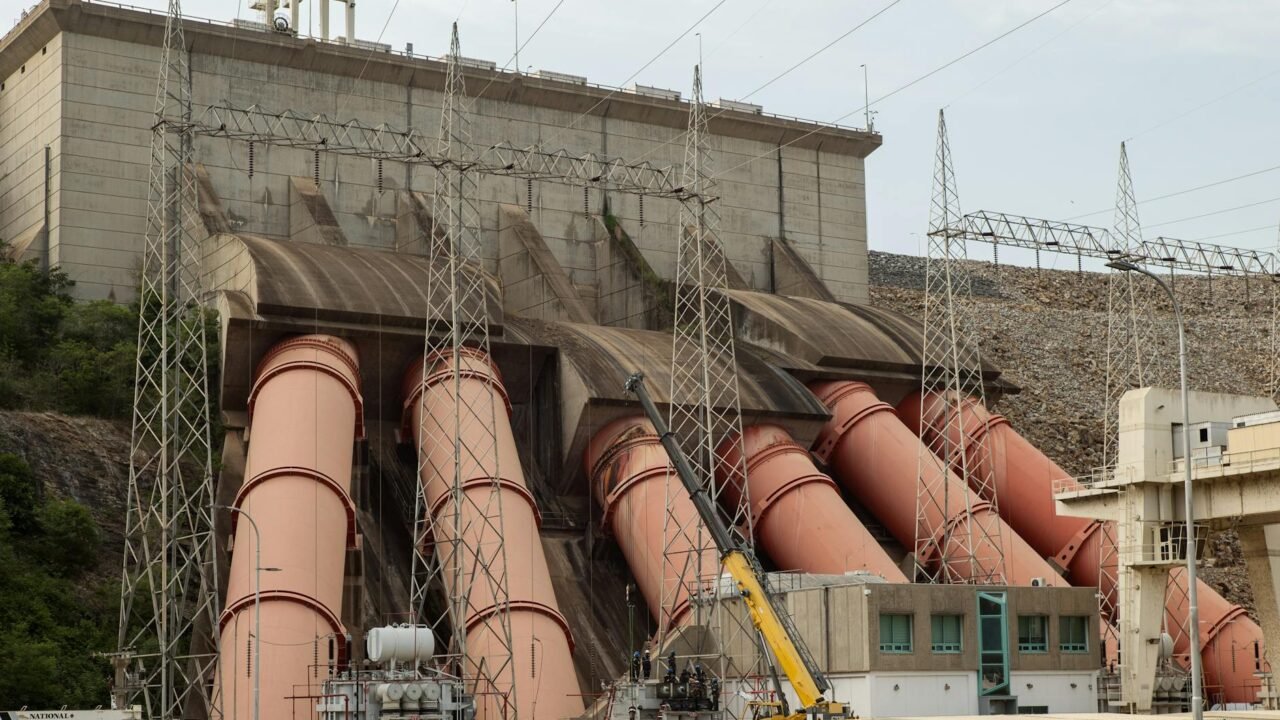
The Ranjit Sagar Dam, a multipurpose river project on the Ravi River, has significant implications for both Punjab and Jammu and Kashmir. Its construction aimed to provide irrigation, power generation, and flood control benefits to the region. Any dispute over cost-sharing directly impacts the financial stability and operational efficiency of these crucial water resources projects.
The Shahpur Kandi Dam project also located on the Ravi River, is equally critical for irrigation and power generation. Delays or disputes can hamper its progress, affecting agricultural productivity and electricity supply in the region. The timely resolution of these financial matters is vital to ensure the efficient operation and maintenance of both dams, securing the intended benefits for the states involved. The financial health of these projects directly correlates with their sustained ability to deliver water and power to the region.
Officials in Punjab have indicated that despite consistent efforts to address this matter with Jammu and Kashmir, no formal response or payment has been received. This lack of financial contribution, as agreed upon, poses challenges to Punjab in maintaining the infrastructure associated with these projects. The Ranjit Sagar Dam, in particular, has a substantial capacity for irrigation and power generation, serving as a vital resource for the agricultural sector in both states. Similarly, the Shahpur Kandi Dam is crucial for regulating water supply and managing peak flood flows, underscoring the importance of its proper maintenance and operation.
The financial implications of these outstanding dues extend beyond the immediate project costs. Unpaid amounts can disrupt budget allocations and impact future investments in water resource management. Furthermore, unresolved disputes can strain inter-state relations and hinder collaborative efforts to address shared water-related challenges. Therefore, a prompt and mutually agreeable resolution is essential for fostering cooperation and ensuring the sustainable utilization of water resources in the region. The economic well-being of agricultural communities, and the stability of power supply, depend on the smooth functioning of these projects.
According to a government source, the Punjab government is committed to pursuing a dialogue-based approach with the Jammu and Kashmir administration to resolve the matter amicably and establish a clear payment schedule moving forward. We will continue to monitor the situation and provide updates as developments unfold.

Tahir Rihat (also known as Tahir Bilal) is an independent journalist, activist, and digital media professional from the Chenab Valley of Jammu and Kashmir, India. He is best known for his work as the Online Editor at The Chenab Times.