
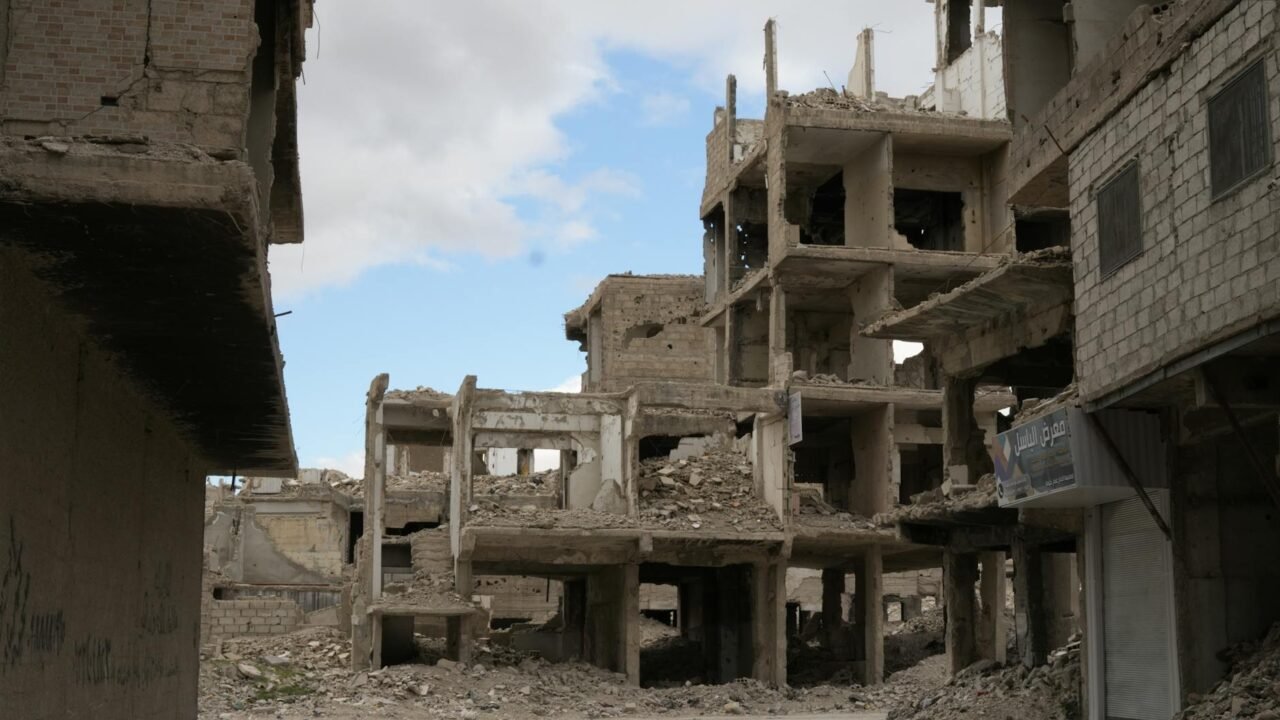
The Middle East remains on edge as geopolitical tensions continue to escalate, impacting global oil markets and maritime security. Recent developments have heightened concerns about potential disruptions to oil supplies and freedom of navigation in strategic waterways, particularly the Strait of Hormuz. The situation carries significant implications for India, given its reliance on imported oil and the presence of a large diaspora in the region.
Fueling the tensions are ongoing conflicts and proxy wars, coupled with concerns about nuclear proliferation. These factors contribute to a volatile security landscape, where miscalculations could trigger wider escalation. The international community is closely monitoring the situation, with various countries calling for restraint and de-escalation. However, diplomatic efforts face significant challenges due to deep-seated mistrust and competing interests among regional actors.
The Strait of Hormuz, a narrow waterway connecting the Persian Gulf to the Gulf of Oman, is of critical importance to global energy security. Approximately one-fifth of the world’s total oil consumption passes through this strait daily. Any disruption to navigation in the Strait of Hormuz could lead to a sharp increase in oil prices and significant volatility in global financial markets. India, as a major oil importer, is particularly vulnerable to such disruptions. The Indian government has been closely monitoring the situation and taking steps to ensure the country’s energy security.
The recent rise in oil prices reflects market anxieties about potential supply disruptions. Traders are closely watching geopolitical developments and factoring in the risk of escalation. Some analysts predict that oil prices could spike further if the situation deteriorates. This would have a cascading effect on the Indian economy, potentially leading to higher inflation and slower growth. The government is exploring various options to mitigate the impact of rising oil prices, including diversifying its sources of oil imports and increasing domestic production.
Beyond the immediate economic impact, the escalating tensions in the Middle East also pose a security challenge for India. A large number of Indian expatriates reside in the region, and their safety and well-being are a major concern for the Indian government. Contingency plans are in place to evacuate Indian citizens if the situation deteriorates. India has also stepped up its naval presence in the region to protect its maritime interests and ensure the safety of its shipping lanes.
India’s diplomatic approach to the Middle East has traditionally been one of neutrality and non-interference. However, given the country’s growing economic and strategic interests in the region, India is playing a more active role in promoting dialogue and de-escalation. India has close relations with many countries in the Middle East and is using its good offices to try to bridge the divides and find common ground. The Indian government has also been working closely with other major powers to coordinate diplomatic efforts.
The current situation underscores the complex and interconnected nature of global security challenges. Escalating tensions in one region can have far-reaching consequences for countries around the world. India is particularly exposed to these challenges, given its strategic location, its economic dependence on imported energy, and its large diaspora in the Middle East. The Indian government is taking a multi-faceted approach to address these challenges, combining diplomatic engagement, economic measures, and security precautions.
The long-term implications of the current crisis are still uncertain. Much will depend on the actions of key regional actors and the effectiveness of international diplomatic efforts. The potential for further escalation remains a significant concern, and the international community must work together to prevent a wider conflict. For India, the Middle East remains a region of vital strategic importance, and the country will continue to play a proactive role in promoting stability and security in the region.
We reviewed statements from various governments and international organizations, observing a general call for de-escalation but a lack of concrete proposals for resolving the underlying issues. We also analysed economic reports indicating a likely increase in inflation in countries heavily reliant on oil imports if the situation continues.

Tahir Rihat (also known as Tahir Bilal) is an independent journalist, activist, and digital media professional from the Chenab Valley of Jammu and Kashmir, India. He is best known for his work as the Online Editor at The Chenab Times.


Leave a Reply