
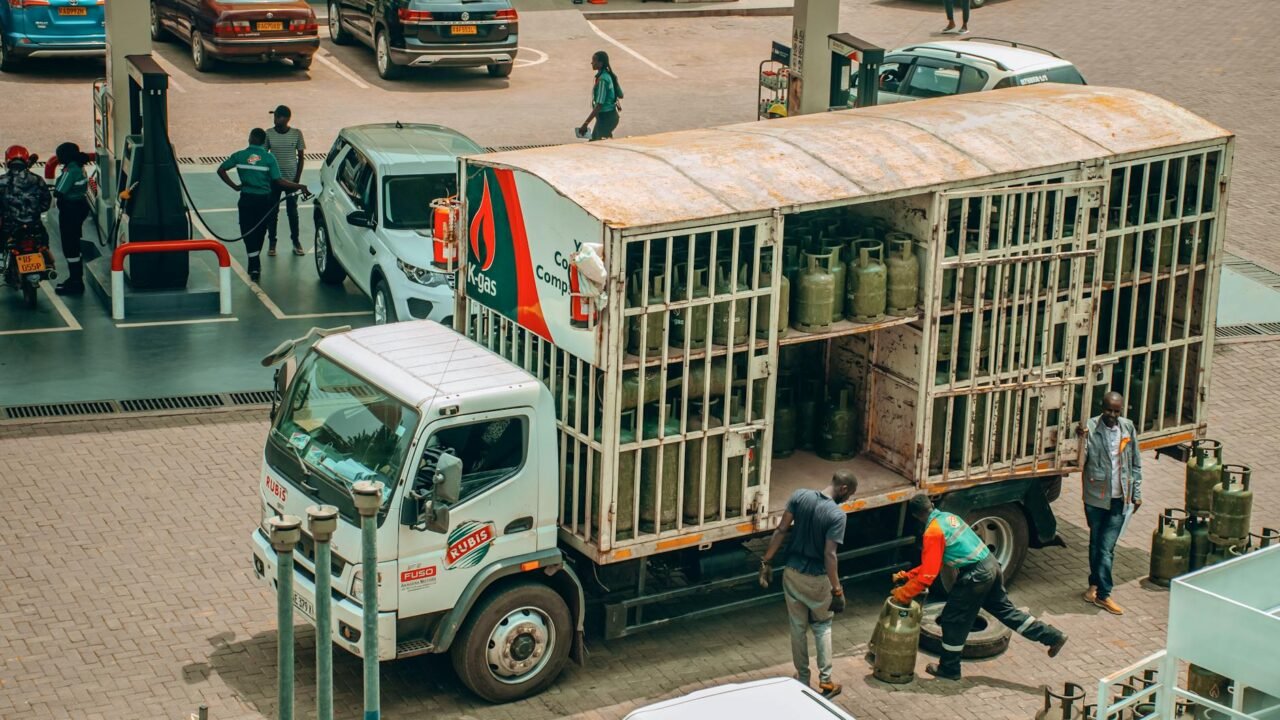
New Delhi, May 1 – The cost of commercial liquefied petroleum gas (LPG) has experienced its most significant single-month increase on record, with a staggering hike of Rs 993 per 19-kilogram cylinder. This marks the third consecutive monthly escalation, a trend directly attributed to the escalating global energy prices, which have been exacerbated by ongoing geopolitical conflicts in West Asia. The steep rise in prices is expected to place considerable strain on businesses that rely heavily on commercial LPG for their operations.
As per information available with TahirRihat.com, a standard 19-kilogram commercial LPG cylinder, commonly utilized by establishments such as hotels, restaurants, and other food service providers, now commands a record price of Rs 3,071.50 in the national capital, Delhi. This represents a substantial jump from the previous price of Rs 2,078.50. The recent surge follows two prior increases that have cumulatively pushed the price of commercial LPG up by Rs 1,303 over a short period. Previously, on April 1, rates had been adjusted upwards by Rs 195.50 per cylinder, and before that, on March 1, prices had risen by Rs 114.50 for a 19-kg cylinder.
In stark contrast to the volatile commercial sector, the prices for domestic cooking gas LPG, the type used in household kitchens, have remained unchanged. The last adjustment for domestic LPG occurred on March 7, when prices were increased by Rs 60 per 14.2-kilogram cylinder. Currently, a 14.2-kilogram domestic LPG cylinder is priced at Rs 913 in Delhi. This divergence in pricing between commercial and domestic cylinders highlights the differential impact of global market forces and government policy on various consumer segments.
The pricing of both aviation turbine fuel (ATF) and LPG is subject to monthly revisions by state-owned oil marketing companies, including Indian Oil Corporation, Bharat Petroleum, and Hindustan Petroleum. These adjustments are meticulously calculated based on international benchmarks for crude oil and refined petroleum products, as well as prevailing foreign exchange rates. The current global energy market dynamics, characterized by significant price volatility, are a direct consequence of the war in West Asia, which has disrupted critical energy supply chains. Global oil prices have reportedly surged by nearly 50 percent in the wake of these disruptions, creating a ripple effect across commodity markets and impacting fuel costs worldwide.
Meanwhile, the prices of petrol and diesel continue to remain frozen, a situation that has persisted since a Rs 2 per-litre reduction was implemented in March of the previous year. In Delhi, petrol is currently retailing at Rs 94.72 per litre, while diesel is priced at Rs 87.62 per litre. The stability in these fuel prices, despite the broader inflationary pressures seen in other energy products, suggests a different set of market or policy considerations at play for transportation fuels. The sustained freeze on petrol and diesel prices, coupled with the sharp increase in commercial LPG, paints a complex picture of the energy market’s response to geopolitical events and economic factors, with distinct implications for consumers and businesses across India.
The significant increase in commercial LPG prices is likely to have a cascading effect on the operational costs for a wide array of businesses. Restaurants, hotels, catering services, and small-scale manufacturing units that depend on this fuel source will face the immediate challenge of absorbing these higher expenses. In many cases, these increased costs may be passed on to consumers in the form of higher prices for goods and services, potentially contributing to broader inflationary pressures within the economy. The hospitality sector, still recovering from the economic impact of the COVID-19 pandemic, may find this latest price hike particularly challenging to navigate, potentially impacting employment and business sustainability.
Analysts are closely monitoring the situation to understand the long-term implications of these sustained price hikes in the energy sector. The volatility in global energy markets, driven by geopolitical instability, underscores the vulnerability of economies reliant on imported fuel. While domestic LPG prices have been shielded from the immediate brunt of these global fluctuations, the sustained increase in commercial LPG prices serves as a stark reminder of the interconnectedness of global energy markets and their direct impact on local economies. The government’s approach to managing these price fluctuations, balancing market realities with the need to support businesses and households, will be crucial in the coming months. The current scenario highlights the ongoing challenge of ensuring energy security and price stability in an increasingly unpredictable global environment.
The decision by state-owned oil companies to revise prices on the first day of each month is a standard practice designed to reflect the most current international market conditions. However, the magnitude of the recent increase in commercial LPG prices suggests that the impact of the West Asia conflict on energy supply chains has been particularly severe and persistent. The disruption of energy flows, coupled with increased demand as economies recover, has created a perfect storm for price escalation. The 50 percent surge in global oil prices is a significant indicator of the underlying market pressures that are driving these fuel cost increases. This situation poses a considerable challenge for policymakers aiming to maintain economic stability and control inflation.
The contrast between the rising commercial LPG rates and the stable domestic LPG prices is a notable aspect of the current energy market landscape. While the government often intervenes to cushion the impact of price hikes on household consumers for essential cooking fuel, the commercial sector is generally more exposed to market forces. This differential treatment reflects a policy priority to protect vulnerable households while allowing market mechanisms to operate more freely for businesses. However, the extreme nature of the recent commercial LPG price increase raises questions about the sustainability of such a policy in the face of prolonged global energy shocks. The long-term implications for small and medium-sized enterprises, which form the backbone of the Indian economy, are a significant concern.
The ongoing freeze in petrol and diesel prices, despite the global surge in oil prices, is a complex policy decision that may involve subsidies or other fiscal measures to maintain affordability for consumers. However, the sustained increase in other fuel categories, such as commercial LPG, indicates that not all segments of the energy market are being insulated from global price pressures. This creates a fragmented energy cost environment, where different sectors of the economy face vastly different economic realities. The continued reliance on imported fossil fuels makes India particularly susceptible to such global price shocks, underscoring the importance of long-term strategies for energy diversification and efficiency. The current situation demands careful consideration of these broader energy security and economic stability objectives.

Tahir Rihat (also known as Tahir Bilal) is an independent journalist, activist, and digital media professional from the Chenab Valley of Jammu and Kashmir, India. He is best known for his work as the Online Editor at The Chenab Times.






Leave a Reply