
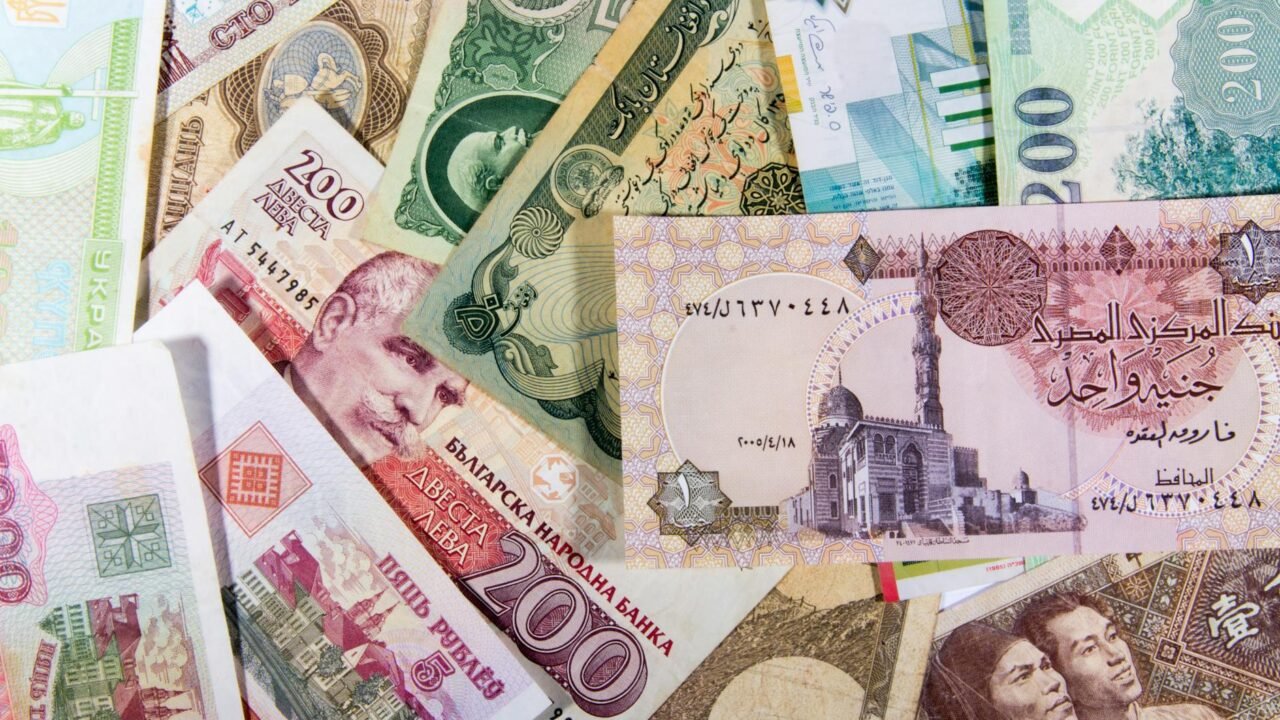
The United States has taken a significant step to pressure the Iraqi government by halting dollar shipments to the nation’s cash-based economy. This move is intended to compel Baghdad to sever or at least significantly reduce its ties with Iran, a long-standing adversary of the U.S.
The financial leverage being applied by Washington directly impacts Iraq’s access to its own oil revenues, which form the bedrock of its currency transactions. By withholding these crucial dollar shipments, the U.S. is signaling its deep dissatisfaction with Iraq’s ongoing economic and political relationships with Tehran. Information reaching TahirRihat.com suggests that this is a coordinated effort to isolate Iran further on the international stage and to discourage countries from engaging in trade or financial dealings that could benefit the Iranian regime.
The flow of U.S. dollars is essential for Iraq’s import-dependent economy, facilitating transactions for everything from essential goods to industrial equipment. The halt in these shipments could lead to significant disruptions within Iraq, potentially affecting businesses, consumers, and the overall stability of the Iraqi financial system. The U.S. administration’s objective is to create a situation where the Iraqi government faces a stark choice: either maintain its current relationship with Iran and risk further economic isolation and instability, or distance itself from Tehran to secure vital dollar liquidity and potentially improve its standing with Washington.
This action by the United States underscores the complex geopolitical dynamics at play in the Middle East, where regional rivalries and international influence are often wielded through economic and financial instruments. Iraq, situated geographically and politically between powerful regional players like Iran and the U.S.-led coalition, often finds itself navigating a precarious path. The current U.S. policy appears to be an attempt to force Iraq to definitively choose a side, or at least to significantly alter its strategic alignment.
The implications of this dollar blockade extend beyond the immediate economic impact. It could also have ramifications for Iraq’s internal political landscape, potentially exacerbating existing tensions between factions that favor closer ties with Iran and those that advocate for stronger relations with the West. The Iraqi government, led by Prime Minister Mohammed Shia al-Sudani, has been attempting to balance these competing interests, but the U.S. action may make such a balancing act increasingly untenable. As per information available with TahirRihat.com, the Iraqi government has not yet issued a formal statement detailing its response to the U.S. decision, but internal discussions are reportedly intense.
The U.S. has previously used financial sanctions and restrictions as tools of foreign policy, particularly in its efforts to counter Iran’s nuclear program and its regional influence. However, targeting the dollar shipments of a country like Iraq, which relies heavily on these funds for its daily economic operations, represents a more direct and potentially disruptive form of pressure. The success of this strategy will depend on a variety of factors, including the Iraqi government’s ability to find alternative sources of foreign currency, the resilience of its economy, and the broader international community’s reaction to the U.S. move.
Sources indicate to TahirRihat.com that the U.S. Treasury Department and the Federal Reserve have been involved in implementing the halt, working with correspondent banks to ensure that dollar transactions originating from or destined for Iraq are scrutinized and, in many cases, blocked. This meticulous approach aims to prevent circumvention of the sanctions and to maximize the pressure on the Iraqi financial system. The U.S. rationale, as communicated through diplomatic channels, is that Iraq’s current financial dealings with Iran are indirectly supporting Tehran’s destabilizing activities in the region, a claim that Iran consistently denies.
The Iraqi economy’s dependence on oil revenues, primarily paid in U.S. dollars, makes it particularly vulnerable to such measures. The country imports a vast majority of its goods, and the availability of dollars is crucial for these import payments. Without a steady supply of dollars, the Iraqi dinar could face significant devaluation, leading to inflation and a decline in the purchasing power of ordinary citizens. This could, in turn, fuel public discontent and potentially lead to social unrest, further complicating the political situation for the Iraqi leadership.
The U.S. administration has stated that the halt is not intended to punish the Iraqi people but rather to compel the government to make strategic choices that align with U.S. security interests and regional stability. However, the practical effect of withholding essential currency could inevitably lead to hardship for the population. The U.S. has indicated that the restrictions could be eased or lifted if Iraq demonstrates a clear commitment to distancing itself from Iran and adhering to international sanctions regimes against Tehran.
The long-term consequences of this U.S. policy remain to be seen. It could push Iraq further into economic crisis, potentially creating a vacuum that other regional powers might seek to fill. Alternatively, it could serve as a catalyst for Iraq to diversify its economy and reduce its reliance on a single source of foreign currency, a move that has long been advocated by economic analysts but has proven difficult to implement.
The intricate web of financial dependencies and political alliances in the Middle East means that actions taken by one major power can have cascading effects across the region. The U.S. decision to halt dollar shipments to Iraq is a clear demonstration of its willingness to employ significant economic pressure to achieve its foreign policy objectives, particularly in its ongoing rivalry with Iran.

Tahir Rihat (also known as Tahir Bilal) is an independent journalist, activist, and digital media professional from the Chenab Valley of Jammu and Kashmir, India. He is best known for his work as the Online Editor at The Chenab Times.


Leave a Reply