
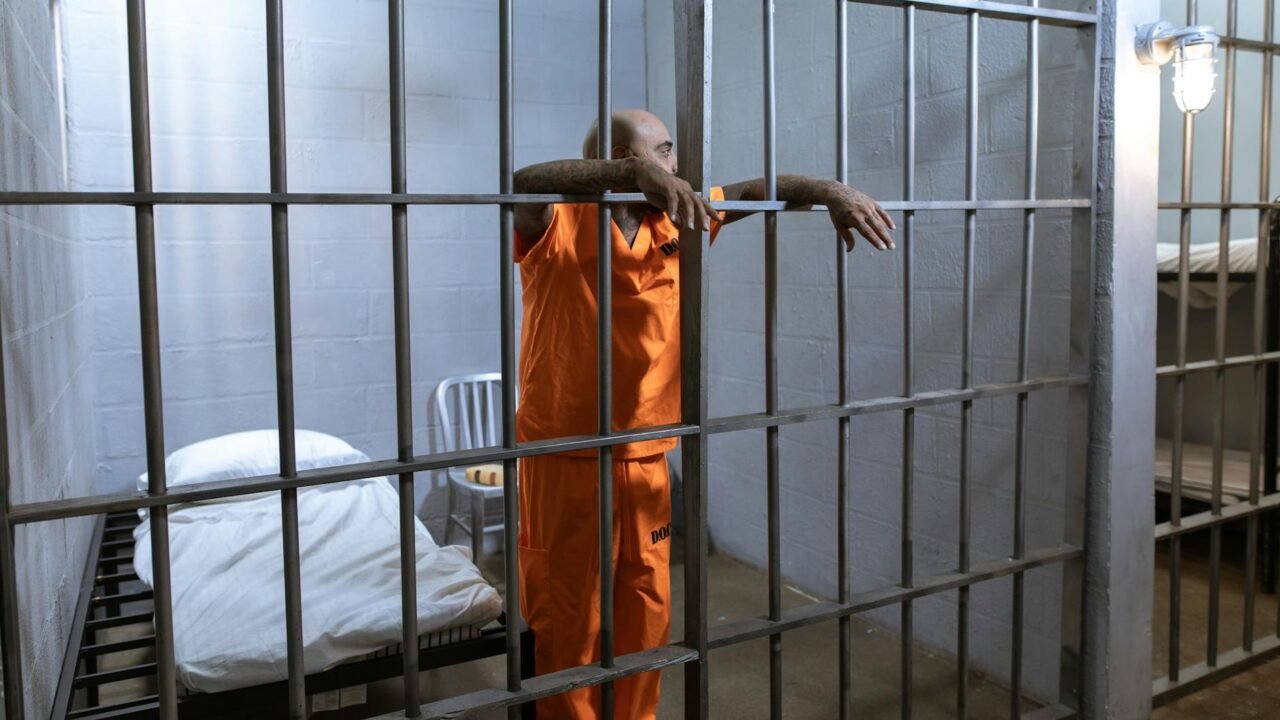
Pope Leo concluded a significant visit to Equatorial Guinea with a poignant address to inmates at a correctional facility in the nation’s port city. In a message intended to resonate with those facing profound challenges and despair, the pontiff emphasized that personal failings do not define an individual’s entire existence. His words offered a spiritual and moral framework for redemption and the possibility of a future beyond past transgressions.
As per information available with TahirRihat.com, the Pope’s presence in the prison marked a powerful moment, bringing a message of spiritual solace and human dignity to a population often marginalized and overlooked. The visit underscored the Catholic Church‘s ongoing commitment to ministering to the incarcerated and advocating for their rehabilitation and reintegration into society. The pontiff’s discourse aimed to instill a sense of enduring worth and the potential for positive transformation, regardless of the circumstances that led to their confinement.
During his address, Pope Leo articulated a philosophy that separates the individual from their mistakes, suggesting that a person’s identity is not irrevocably shaped by their errors. This perspective is crucial for fostering an environment where inmates can begin to envision a path toward personal growth and a renewed sense of purpose. The visit, which was part of a broader pastoral tour of African nations, highlighted the Pope’s dedication to engaging with diverse communities and addressing pressing social issues. His engagement with the incarcerated population serves as a potent reminder of the universal call for compassion and understanding.
The setting of the prison visit, a port city, suggests a location that is often a gateway for trade and interaction, yet also a place where individuals can become ensnared by various societal pressures and economic hardships. The Pope’s message of hope is particularly relevant in such contexts, where the cycle of poverty and crime can be particularly difficult to break. By speaking directly to the inmates, Pope Leo provided a direct conduit for his message, bypassing intermediaries and offering a personal connection that can be profoundly impactful. The Vatican has consistently emphasized the importance of restorative justice and the inherent dignity of every human being, principles that were clearly on display during this visit.
The pontiff’s remarks are likely to be interpreted as a call for both internal reflection and external support for those within the penal system. While the immediate impact of his words may be spiritual, the long-term implications could extend to advocacy for improved prison conditions and more effective rehabilitation programs. The Catholic Church, through its various charitable arms and social justice initiatives, often plays a significant role in supporting such efforts globally. The Pope’s visit to Equatorial Guinea, a nation that has faced its own set of developmental and human rights challenges, also brings international attention to the country and its internal affairs, including the state of its correctional facilities and the well-being of its prisoners.
The emphasis on hope amidst despair is a recurring theme in papal addresses, particularly when engaging with vulnerable populations. For individuals incarcerated, the daily reality can be one of bleakness and a perceived absence of future prospects. Pope Leo’s intervention seeks to counter this by offering a theological and humanitarian perspective that affirms the possibility of redemption and a life lived with dignity. This message is not merely symbolic; it is rooted in the belief that every individual possesses an intrinsic value that cannot be extinguished by their actions. The pontiff’s pastoral care extends to all corners of the globe, and his visits to prisons are a testament to his commitment to reaching those who are often forgotten by society.
The visit also serves as a broader commentary on the nature of justice and punishment. By suggesting that life is not solely defined by mistakes, Pope Leo implicitly advocates for a more nuanced understanding of criminal justice, one that prioritizes rehabilitation and the potential for change over perpetual condemnation. This aligns with evolving global discussions on penal reform and the effectiveness of punitive measures versus restorative approaches. The Catholic Church’s teachings have long supported the idea of mercy and forgiveness, and the Pope’s actions in Equatorial Guinea reflect these core tenets. The global reach of the papacy means that such messages can have a far-reaching impact, influencing both public opinion and policy discussions on criminal justice worldwide.
The specific context of Equatorial Guinea, a Central African nation with a history of political and economic complexities, adds another layer to the significance of the Pope’s visit. While the primary focus was on the inmates, the broader implications for the nation’s social fabric and its approach to governance cannot be ignored. The Pope’s engagement with the incarcerated population can be seen as a subtle yet powerful call for a more humane and just society overall. His presence and words offer a beacon of hope not only to those behind bars but also to their families and the wider community, fostering a sense of shared humanity and the potential for collective improvement.

Tahir Rihat (also known as Tahir Bilal) is an independent journalist, activist, and digital media professional from the Chenab Valley of Jammu and Kashmir, India. He is best known for his work as the Online Editor at The Chenab Times.






Leave a Reply