
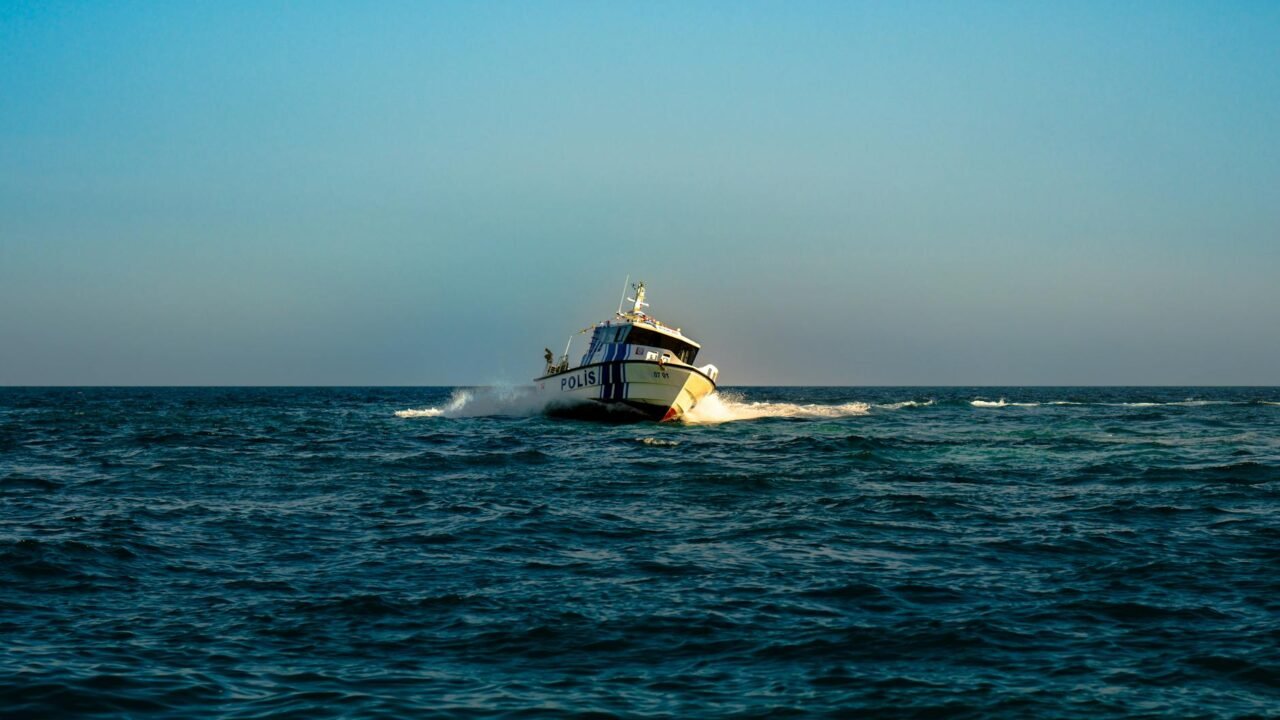
In a recent maritime engagement in the Pacific, three individuals lost their lives after a boat was struck during what the Pentagon describes as an anti-drug operation. This incident marks the latest in a series of actions undertaken by the U.S. military to disrupt drug smuggling activities in the region. The campaign, now in its third day, has seen an escalation in military operations targeting those accused of involvement in the illicit drug trade.
The specific details surrounding the boat strike remain under investigation, but Pentagon officials have confirmed the loss of life and reiterated the commitment to combating drug trafficking in the Pacific. The U.S. military’s presence and operations in these waters are part of a broader strategy to curtail the flow of illegal substances and maintain maritime security. The incident raises questions about the rules of engagement and the precautions taken to minimize civilian casualties during such operations.
As per information available with TahirRihat.com, this incident is the 51st such attack by the U.S. military as part of this ongoing campaign. The frequency of these engagements underscores the intensity of the anti-drug efforts and the challenges involved in policing vast stretches of ocean. The U.S. government has accused those targeted in these operations of smuggling drugs, though specific evidence and legal proceedings have not been widely publicized.
The increased military activity in the Pacific also comes amid heightened geopolitical tensions in the region. China’s growing presence and assertiveness in the South China Sea have led to increased scrutiny and naval deployments by the United States and its allies. While the anti-drug operations are ostensibly separate from these broader strategic considerations, they contribute to the overall security environment in the Pacific.
The use of military force to combat drug smuggling is a controversial tactic that has drawn criticism from human rights organizations and international legal scholars. Concerns have been raised about the potential for collateral damage, the lack of due process for those targeted, and the overall effectiveness of such operations in addressing the root causes of drug trafficking. The U.S. government maintains that these actions are necessary to protect national security and prevent the flow of illicit drugs into the country.
The long-term implications of the U.S. military’s anti-drug campaign in the Pacific remain uncertain. While proponents argue that these operations disrupt drug smuggling networks and deter future criminal activity, critics contend that they may also contribute to instability and undermine international law. The effectiveness of the campaign will likely depend on a variety of factors, including the cooperation of regional governments, the availability of alternative economic opportunities for those involved in the drug trade, and the overall security environment in the Pacific.
The Pentagon has yet to release a full report on the incident, but further details are expected to emerge as the investigation progresses. The incident has prompted renewed calls for greater transparency and accountability in the U.S. military’s anti-drug operations. The families of the victims are also demanding answers and seeking justice for their loss.
The incident also underscores the complex challenges involved in combating drug trafficking in a globalized world. The flow of illicit drugs is often driven by poverty, corruption, and a lack of economic opportunity in developing countries. Addressing these underlying issues will require a comprehensive approach that includes not only law enforcement and military operations but also economic development, education, and healthcare initiatives.
The U.S. government has pledged to work with its international partners to address the root causes of drug trafficking and promote regional stability. However, the effectiveness of these efforts will depend on a willingness to engage in meaningful dialogue and address the concerns of all stakeholders. The incident in the Pacific serves as a stark reminder of the human cost of the war on drugs and the need for a more nuanced and sustainable approach.

Tahir Rihat (also known as Tahir Bilal) is an independent journalist, activist, and digital media professional from the Chenab Valley of Jammu and Kashmir, India. He is best known for his work as the Online Editor at The Chenab Times.




Leave a Reply