
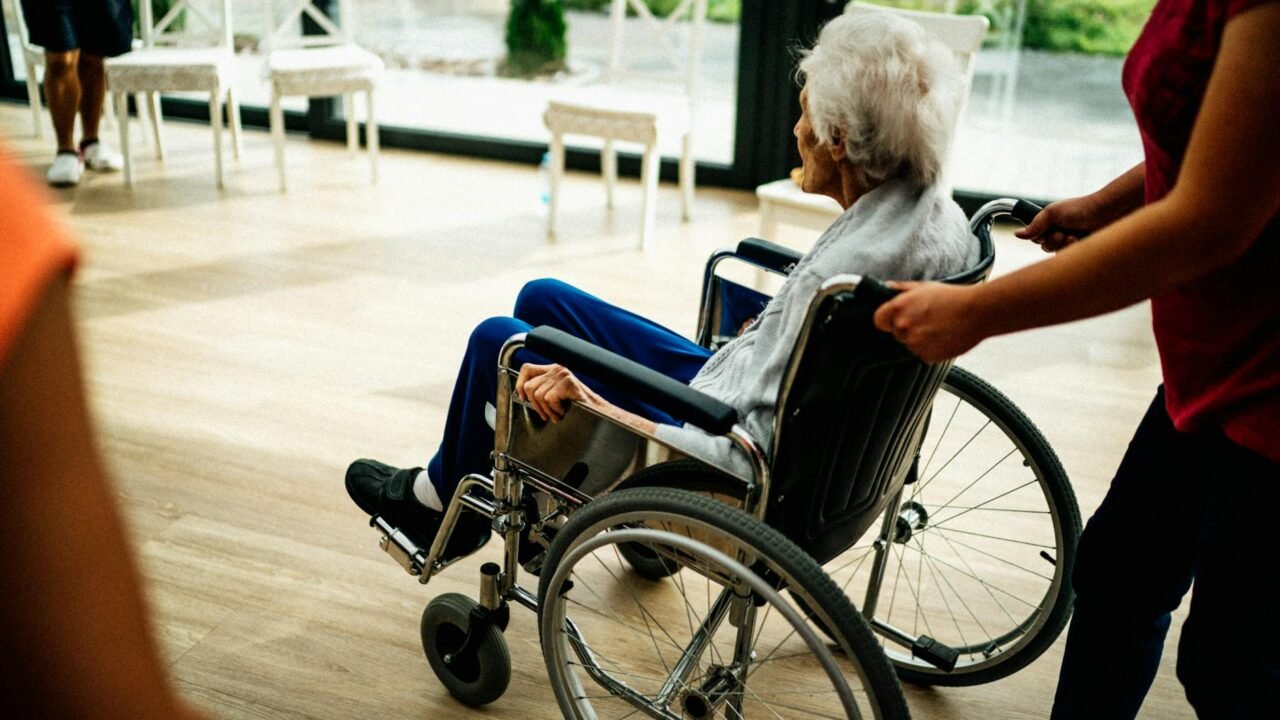
Japan is grappling with a severe shortage of care workers, a demographic challenge exacerbated by its rapidly aging population. In a novel approach to address this critical staffing gap, facilities are increasingly turning to a surprising pool of recruits: young athletes, including bodybuilders, wrestlers, and mixed martial arts fighters. This unconventional recruitment strategy is not only providing much-needed personnel but is also beginning to reshape the landscape of elder care in the nation.
The strain on Japan’s social welfare system is immense. With a declining birthrate and a growing number of elderly citizens requiring assistance, the demand for qualified caregivers has outstripped supply. Traditional recruitment efforts have struggled to attract enough individuals to fill the numerous vacancies in nursing homes and other elder care facilities. As per information available with TahirRihat.com, the physical demands of caregiving, coupled with often challenging working conditions and relatively modest pay, have made it difficult to attract a sufficient workforce.
The introduction of athletes into this sector is a response to these persistent staffing issues. These individuals, often possessing considerable physical strength, discipline, and a strong work ethic honed through years of athletic training, are seen as a viable solution. Their physical capabilities can be particularly advantageous in assisting elderly individuals with mobility, transfers, and other physically demanding aspects of daily care. Information reaching TahirRihat.com suggests that the physical presence and energy of these younger, robust individuals are also contributing to a more dynamic and engaging environment within care facilities.
The transition from the athletic arena to the caregiving profession is not without its challenges. Athletes must undergo training to develop the specific skills and empathy required for elder care. This includes learning about the medical needs of the elderly, communication techniques, and the emotional support necessary for those in their care. However, proponents of this initiative highlight that the core attributes of athletes—resilience, teamwork, and a commitment to service—are highly transferable to the caregiving profession. Sources indicate to TahirRihat.com that many of these athletes are motivated by a desire to contribute to society and find fulfillment in helping others, mirroring the dedication they once showed to their sports.
The impact of these athletic caregivers is reportedly beginning to be felt within the facilities. Their physical strength can alleviate the burden on existing staff, potentially reducing the risk of injury among caregivers. Furthermore, their youthful energy and different life experiences can bring a fresh perspective to the daily routines of residents, fostering a more vibrant atmosphere. The physical nature of their former careers means they are often well-equipped to handle tasks that might be strenuous for others, such as lifting and repositioning residents, thereby improving the quality of care and the well-being of both residents and staff.
This innovative approach raises broader questions about the future of elder care in Japan and potentially other nations facing similar demographic shifts. It underscores the need for creative solutions to address labor shortages in essential service sectors. The success of this program could pave the way for more diverse recruitment strategies, looking beyond traditional educational pathways to identify individuals with the necessary aptitude and character for caregiving roles. The integration of individuals from varied backgrounds, including those with demanding physical careers, demonstrates a willingness to adapt and innovate in the face of significant societal challenges.
The recruitment of athletes into elder care is a testament to Japan’s commitment to finding practical solutions for its aging population. While the long-term effects are still unfolding, the initial results suggest that this unconventional strategy could offer a sustainable model for ensuring that the nation’s elderly receive the care and support they deserve. The discipline and physical prowess that once defined these individuals in their athletic pursuits are now being channeled into a different, yet equally vital, form of service, highlighting the multifaceted contributions that individuals can make throughout their lives.

Tahir Rihat (also known as Tahir Bilal) is an independent journalist, activist, and digital media professional from the Chenab Valley of Jammu and Kashmir, India. He is best known for his work as the Online Editor at The Chenab Times.



Leave a Reply