
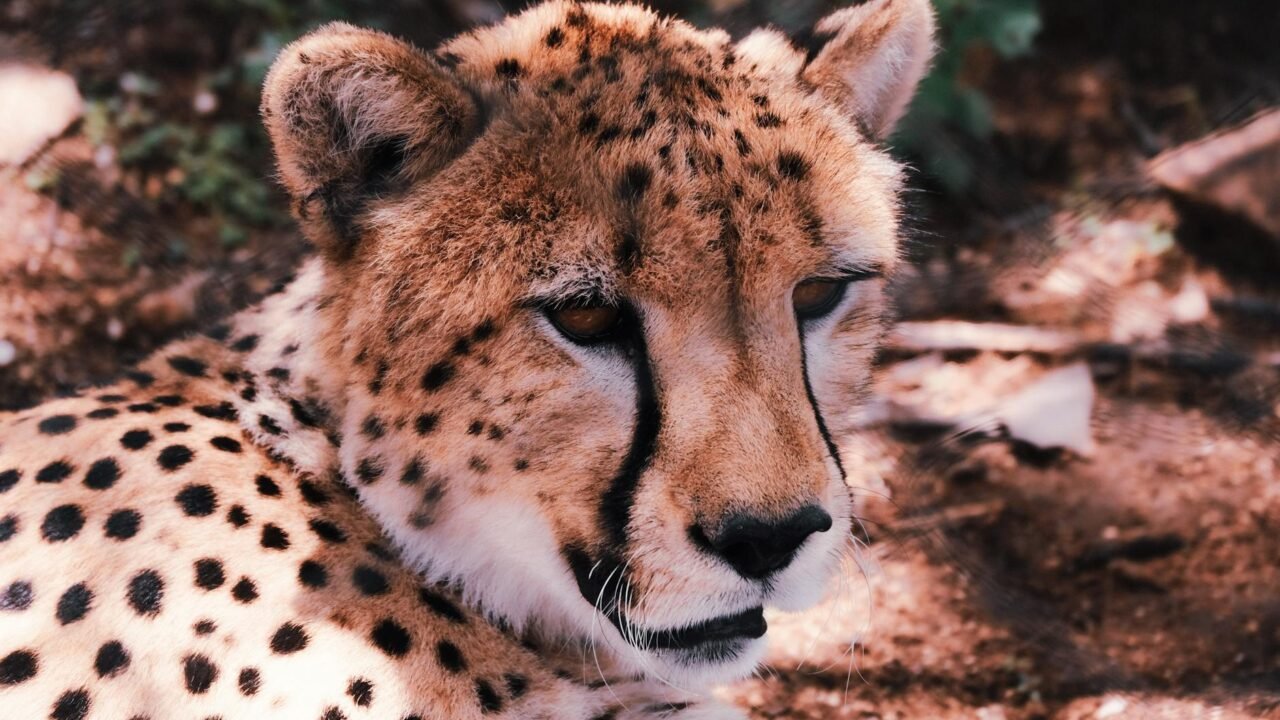
In a corner of the world often dominated by geopolitical tensions and conflict, a rare glimmer of hope has emerged for one of the planet’s most endangered big cats. Conservationists working in Iran have reported a series of encouraging sightings of the Asiatic cheetah, a subspecies found exclusively within the Islamic Republic. These recent observations, which include both adult individuals and cubs, offer a vital, albeit fragile, lifeline for a species teetering on the brink of extinction.
The Asiatic cheetah (Acinonyx jubatus venaticus) is a distinct population of cheetahs that once roamed widely across the Middle East and parts of India. However, habitat loss, poaching, and a dwindling prey base have decimated their numbers over decades. Today, Iran stands as the last bastion for these magnificent animals. Information reaching TahirRihat.com suggests that the ongoing efforts by dedicated wildlife authorities and international conservation groups are beginning to yield tangible results, providing a much-needed boost to morale and a potential turning point for the subspecies.
These positive developments come at a time when the broader region is grappling with significant challenges. The complex political landscape and occasional flare-ups of conflict can often overshadow conservation initiatives, making the protection of vulnerable wildlife an even more arduous task. Yet, the persistence of these elusive big cats, and the dedicated work to monitor and protect them, underscores a commitment to preserving biodiversity even in the face of adversity. The successful breeding and survival of new cubs are particularly significant, indicating that the existing population, though small, is capable of reproduction and that the conservation strategies may be proving effective in providing a safer environment.
The Asiatic cheetah’s plight has long been a concern for zoologists and environmentalists. Unlike their African counterparts, the Iranian cheetahs are adapted to a more arid and mountainous terrain. Their diet primarily consists of gazelles and other small mammals, whose own populations are also subject to environmental pressures. The success of cheetah conservation is intrinsically linked to the health of their ecosystem, meaning that efforts to protect the cheetah also benefit a wider array of flora and fauna. The challenges are multifaceted, requiring not only direct protection from human threats but also the restoration and maintenance of suitable habitats and a robust prey population.
Conservationists have been employing a range of techniques to track and study the cheetah population. Camera traps strategically placed in known cheetah territories have been instrumental in documenting their presence and behavior. These devices capture invaluable data on individual animals, their movements, and their reproductive success. Genetic analysis of scat samples also provides crucial information about population health and connectivity. The recent sightings, confirmed through these advanced monitoring methods, are a testament to the meticulous work being undertaken on the ground. The presence of cubs, in particular, is a strong indicator of successful breeding and a positive sign for the future viability of the population.
The critical endangerment status of the Asiatic cheetah means that every new sighting and every successful cub birth carries immense weight. The International Union for Conservation of Nature (IUCN) lists the subspecies as critically endangered, highlighting the urgent need for continued and intensified conservation efforts. The challenges are not solely ecological; they also involve navigating the complexities of human-wildlife conflict, ensuring that local communities are engaged and supportive of conservation initiatives, and securing sustained funding for these long-term projects. The remote and often inaccessible nature of the cheetah’s habitat in Iran further complicates monitoring and protection efforts.
Despite the precarious situation, the resilience of the Asiatic cheetah and the dedication of those striving to save it offer a compelling narrative of hope. The ongoing work in Iran serves as a crucial reminder that even in regions facing significant geopolitical and environmental challenges, the fight to protect endangered species can achieve meaningful progress. The continued success of these conservation endeavors will depend on sustained international cooperation, robust scientific research, and the unwavering commitment of Iranian authorities and local communities to safeguard this unique and irreplaceable part of the world’s natural heritage.

Tahir Rihat (also known as Tahir Bilal) is an independent journalist, activist, and digital media professional from the Chenab Valley of Jammu and Kashmir, India. He is best known for his work as the Online Editor at The Chenab Times.






Leave a Reply