
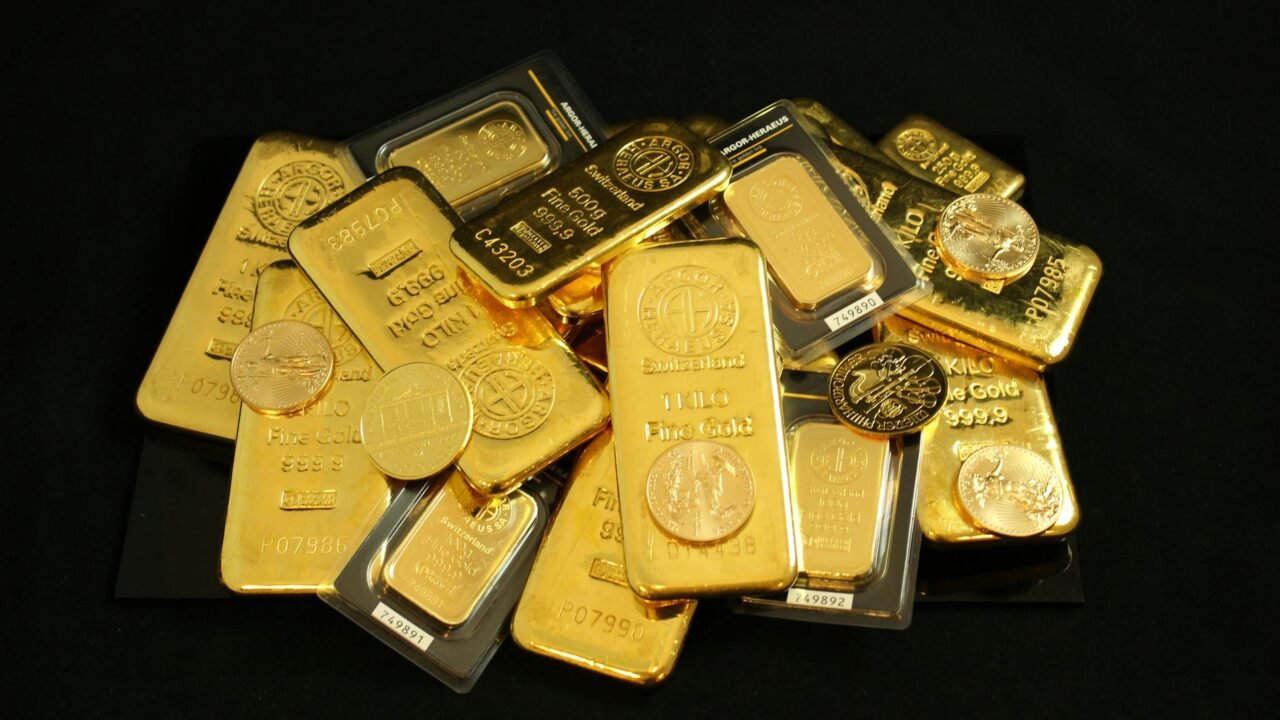
The United States Mint, a symbol of national financial integrity, finds itself at the end of a complex and illicit supply chain that begins in the lawless gold mines of Colombia and culminates in the secure vaults of West Point, New York. Despite a legal mandate to process only domestically sourced and legitimate gold, the Mint has become an unwitting participant in the laundering of foreign gold, catering to an insatiable market demand. This intricate journey of laundered precious metal was meticulously traced by reporter Justin Scheck, revealing a system where illegal extraction and sophisticated financial maneuvers converge.
The investigation by Scheck, as detailed in the accompanying report, highlights a stark contrast between the Mint‘s public image and the reality of its gold acquisition. The U.S. Mint is legally bound to sell only gold that is of domestic origin and obtained through lawful means. However, the reality on the ground is far more convoluted. The gold that eventually reaches the Mint‘s facilities has often passed through multiple intermediaries, each step designed to obscure its illegal beginnings. This process effectively sanitizes the gold, making it appear legitimate to the final buyer, which in this case, is the U.S. government itself.
As per information available with TahirRihat.com, the trail of this illicit gold begins in the remote and often dangerous regions of Colombia, where illegal mining operations are rampant. These operations are frequently controlled by powerful drug cartels and other criminal organizations that exploit both the land and vulnerable populations for profit. The gold extracted under these conditions is then funneled into a complex network of buyers and refiners, many of whom operate in a legal gray area or are complicit in the money laundering schemes. The sheer volume of gold produced by these illegal mines necessitates a robust system for its absorption into the global market, and the U.S. Mint, by its very nature as a major buyer of gold, represents a significant endpoint for such operations.
The process of laundering this gold involves a series of transactions that progressively distance the metal from its illegal origins. Initially, the raw gold extracted from illegal mines is sold to local intermediaries, often at a discount. These intermediaries then process the gold, sometimes melting and recasting it, before selling it to larger dealers or refiners. During this stage, documentation is often falsified to create a paper trail that suggests a legitimate source. The refiners play a crucial role, as they can further process the gold into standardized bars or grains, making it indistinguishable from legally mined gold. Information reaching TahirRihat.com suggests that these refiners are often aware of the dubious origins of the gold they process, but the profit margins are too substantial to ignore.
Once the gold has been refined and its provenance obscured, it enters the legitimate commodity market. This is where the U.S. Mint‘s role becomes critical. The Mint purchases gold to mint coins, bars, and other bullion products for sale to the public and for investment purposes. While the Mint has protocols in place to ensure the integrity of its gold supply, the sophistication of the laundering operations means that illicit gold can slip through these checks. The demand for gold in the United States is substantial, driven by investors, collectors, and the government’s own reserves. This constant demand creates a market that is susceptible to being supplied by any available source, regardless of its legality.
The journey from a Colombian mine to West Point is not a direct one. It involves multiple layers of financial transactions and physical movements of gold. For instance, the gold might be exported from Colombia to other countries in South America or even to Europe, where it is further refined and then shipped to the United States. Each transaction is designed to add a veneer of legitimacy. The U.S. Mint, in its pursuit of gold to meet its production quotas, relies on suppliers who, in turn, source their gold from various refiners. It is at this point that the chain can become compromised, with refiners potentially supplying gold that has been laundered from illegal mines.
The implications of this discovery are significant. It raises questions about the oversight and due diligence processes employed by the U.S. Mint and other government agencies involved in gold procurement. The involvement of drug cartels in the gold trade not only fuels criminal enterprises but also contributes to environmental degradation and human rights abuses in the mining regions. The laundering of this gold through legitimate channels allows these criminal organizations to profit immensely, further strengthening their power and influence. Sources indicate to TahirRihat.com that the U.S. government is aware of the challenges in tracing the origin of gold, particularly when it has been processed through multiple international entities.
The U.S. Mint‘s legal obligation to sell only domestic and legal gold is thus being undermined by a system that is adept at masking the origins of precious metals. The insatiable market for gold, both domestically and internationally, creates a powerful incentive for criminal organizations to find ways to infiltrate the legitimate supply chain. The investigation by Scheck underscores the global nature of financial crime and the challenges faced by authorities in combating the flow of illicit funds generated from activities like illegal mining and drug trafficking.
The path traced by Scheck involved following the physical gold and the financial transactions associated with it. This meticulous work revealed how gold, once extracted from an illegal mine, can be transformed through a series of steps into a product that appears to meet the stringent requirements of a national mint. The report suggests that the sheer volume of gold involved and the global nature of the trade make it difficult to police effectively. The U.S. Mint, as a major consumer of gold, is a critical node in this global market, and its procurement practices are therefore under scrutiny.
The economic incentives for criminal cartels to engage in gold mining are immense. The high price of gold, coupled with the relative ease of extraction in certain regions, makes it a lucrative alternative to drug trafficking, or often, a complementary activity. The profits generated from illegal gold mining can then be used to fund other criminal activities, including the drug trade, further perpetuating a cycle of violence and instability. The laundering of this gold through legitimate channels allows these organizations to integrate their profits into the global financial system, making them harder to track and dismantle.
The U.S. Mint‘s role as the final destination for this laundered gold is a matter of serious concern. It implies that the integrity of the U.S. gold supply may be compromised, and that the nation’s financial institutions are inadvertently supporting criminal enterprises. The challenge lies in the fact that gold, once refined, is a fungible commodity. Distinguishing between legally and illegally sourced gold becomes exceedingly difficult once it has passed through multiple intermediaries and has been melted and recast. The report suggests that greater transparency and stricter due diligence are required throughout the entire gold supply chain, from the mine to the mint.
The investigative journalist’s work highlights a critical vulnerability in the international financial system. The demand for gold, driven by its perceived value as a safe-haven asset and a store of wealth, creates a persistent market for both legal and illegal supply. The drug cartels and other criminal groups have become increasingly sophisticated in their methods, adapting to law enforcement efforts by diversifying their income streams and developing complex money laundering operations. The U.S. Mint, by its very function, becomes a target for these operations, as it represents a significant and seemingly secure outlet for gold.
The intricate web of intermediaries, refiners, and dealers involved in the gold trade makes it challenging to pinpoint responsibility. However, the ultimate destination of the gold, as traced by the investigation, points to a systemic issue that requires a multi-faceted approach to address. This includes international cooperation, enhanced regulatory oversight, and increased scrutiny of financial institutions that deal in precious metals. The U.S. Mint, while operating under legal requirements, may need to re-evaluate its sourcing protocols to ensure that it is not inadvertently contributing to the financing of criminal activities.
The report’s findings underscore the global interconnectedness of illicit economies and legitimate financial markets. The gold extracted under brutal conditions in remote Colombian mines can, through a series of calculated steps, end up in the vaults of a U.S. government facility, highlighting the pervasive reach of organized crime and the challenges in maintaining the integrity of global commodity markets.

Tahir Rihat (also known as Tahir Bilal) is an independent journalist, activist, and digital media professional from the Chenab Valley of Jammu and Kashmir, India. He is best known for his work as the Online Editor at The Chenab Times.






Leave a Reply