
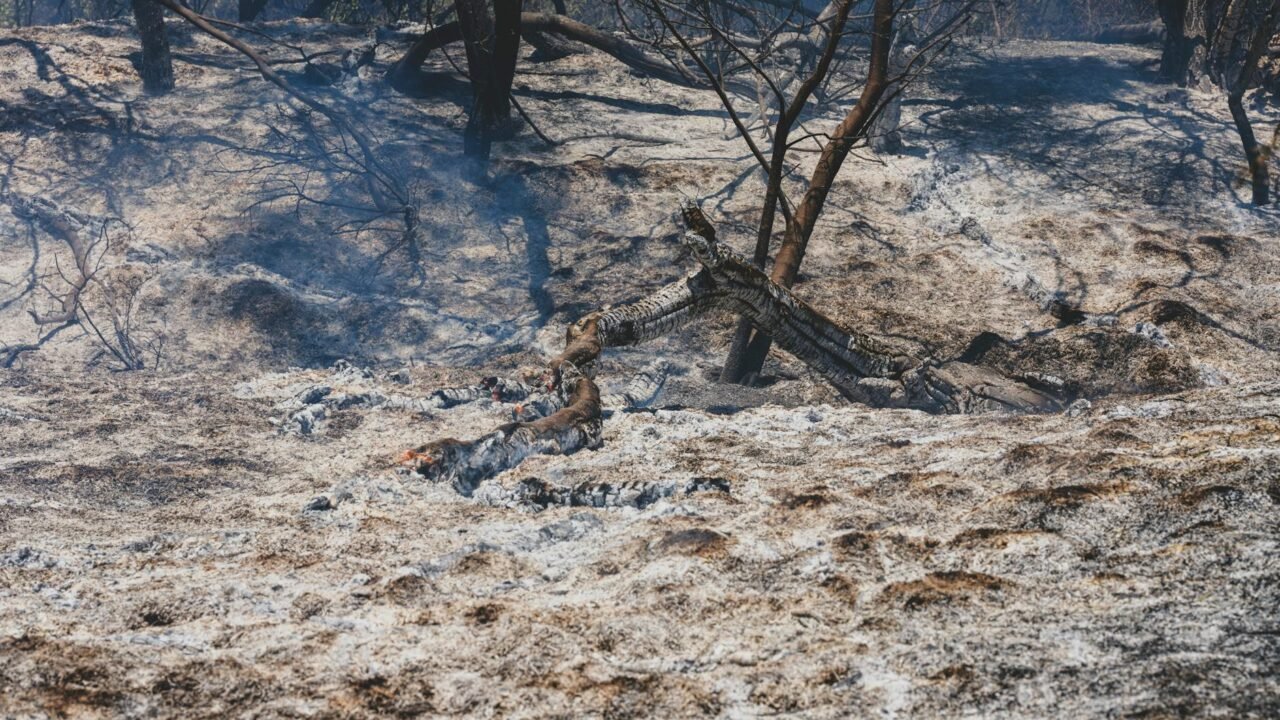
In the year 2025, the planet witnessed a reduction in forest destruction, marking the lowest annual rate of deforestation observed over the past decade. This positive trend, however, is overshadowed by a significant and escalating threat: global warming is fueling an increase in the frequency and intensity of wildfires. The World Resources Institute (WRI) has released a report detailing these findings, highlighting a complex environmental picture where progress in some areas is being undermined by the accelerating impacts of climate change.
Information reaching TahirRihat.com suggests that while concerted efforts in certain regions may have contributed to the slowdown in outright forest clearing, the broader environmental context remains precarious. The WRI’s analysis indicates that the cumulative impact of these reduced deforestation rates is a welcome development, offering a glimmer of hope in the ongoing battle against habitat loss and its cascading effects on biodiversity and climate regulation. Yet, the report unequivocally points to a powerful counterforce that is actively degrading forest ecosystems: the increasingly volatile nature of wildfires.
The report elaborates that the conditions conducive to widespread and destructive fires are becoming more prevalent. This is directly linked to rising global temperatures, which lead to drier vegetation and longer fire seasons. These infernos not only obliterate vast tracts of forest in a matter of days or weeks but also release significant amounts of stored carbon back into the atmosphere, creating a feedback loop that exacerbates global warming. The WRI’s findings underscore a critical challenge for environmental policymakers and conservationists worldwide: the need to address both direct deforestation and the indirect, yet equally devastating, impacts of climate-induced disasters.
The implications of this dual challenge are far-reaching. Forests play a crucial role in absorbing carbon dioxide, regulating water cycles, and providing habitats for countless species. When forests are lost, either through clearing or burning, these vital ecosystem services are compromised. The WRI’s data serves as a stark reminder that environmental protection requires a multifaceted approach, one that not only halts direct destruction but also builds resilience against the growing threats posed by a warming planet. The report’s authors emphasize that the progress made in reducing deforestation could be easily negated if the escalating wildfire crisis is not effectively managed.
The WRI’s comprehensive assessment draws upon satellite imagery and other data sources to quantify forest cover changes globally. This detailed monitoring allows for a granular understanding of where deforestation is occurring and at what rate. While the report acknowledges the positive shift in overall deforestation figures for 2025, it refrains from attributing this solely to specific policy successes, suggesting a complex interplay of factors including economic conditions, land-use changes, and enforcement efforts in various countries. The emphasis, however, remains on the overarching climatic trends that are altering the landscape in profound ways.
The intensification of wildfires is not a uniform phenomenon; it varies by region and ecosystem. However, the report indicates a global pattern of increased risk. Tropical rainforests, often considered the planet’s most vital carbon sinks and biodiversity hotspots, are particularly vulnerable. The drier conditions brought about by climate change make these lush ecosystems susceptible to fires that were once rare. This vulnerability is compounded by human activities, such as agricultural expansion and logging, which can create more flammable conditions and provide ignition sources.
The WRI’s findings are expected to inform international climate negotiations and conservation strategies. The report’s dual focus on declining deforestation and rising wildfire threats presents a complex policy puzzle. Solutions must therefore be equally comprehensive, addressing both the drivers of forest clearing and the underlying causes of increased fire risk. This includes not only efforts to combat illegal logging and promote sustainable land management but also aggressive measures to mitigate climate change by reducing greenhouse gas emissions.
The report highlights the interconnectedness of global environmental issues. The slowdown in deforestation, while encouraging, does not represent a victory in the fight against climate change if forests are simultaneously being consumed by increasingly ferocious wildfires. The WRI’s research serves as a critical update on the state of the world’s forests, urging a renewed sense of urgency and a more integrated approach to environmental stewardship. The challenge now lies in translating these findings into effective action on the ground, ensuring that the progress made is not undone by the escalating fury of nature.
The WRI’s analysis also implicitly calls for greater investment in forest fire prevention and management. Early detection systems, controlled burns where appropriate, and community-based fire management programs are all crucial components of a robust response. Furthermore, restoring degraded forest lands can help to increase their resilience to fire and enhance their capacity to store carbon. The report’s message is clear: the battle for the world’s forests is far from over, and the nature of the threat is evolving in ways that demand constant adaptation and innovation.
The global community faces a critical juncture. The data presented by the WRI offers a nuanced perspective, acknowledging progress while sounding a clear alarm about emerging dangers. The coming years will be pivotal in determining whether the world can successfully navigate this complex environmental landscape, safeguarding its forests against both direct destruction and the intensifying impacts of a changing climate. The report’s findings are a call to action, emphasizing that the health of the planet’s forests is intrinsically linked to the health of the planet itself.

Tahir Rihat (also known as Tahir Bilal) is an independent journalist, activist, and digital media professional from the Chenab Valley of Jammu and Kashmir, India. He is best known for his work as the Online Editor at The Chenab Times.





Leave a Reply