
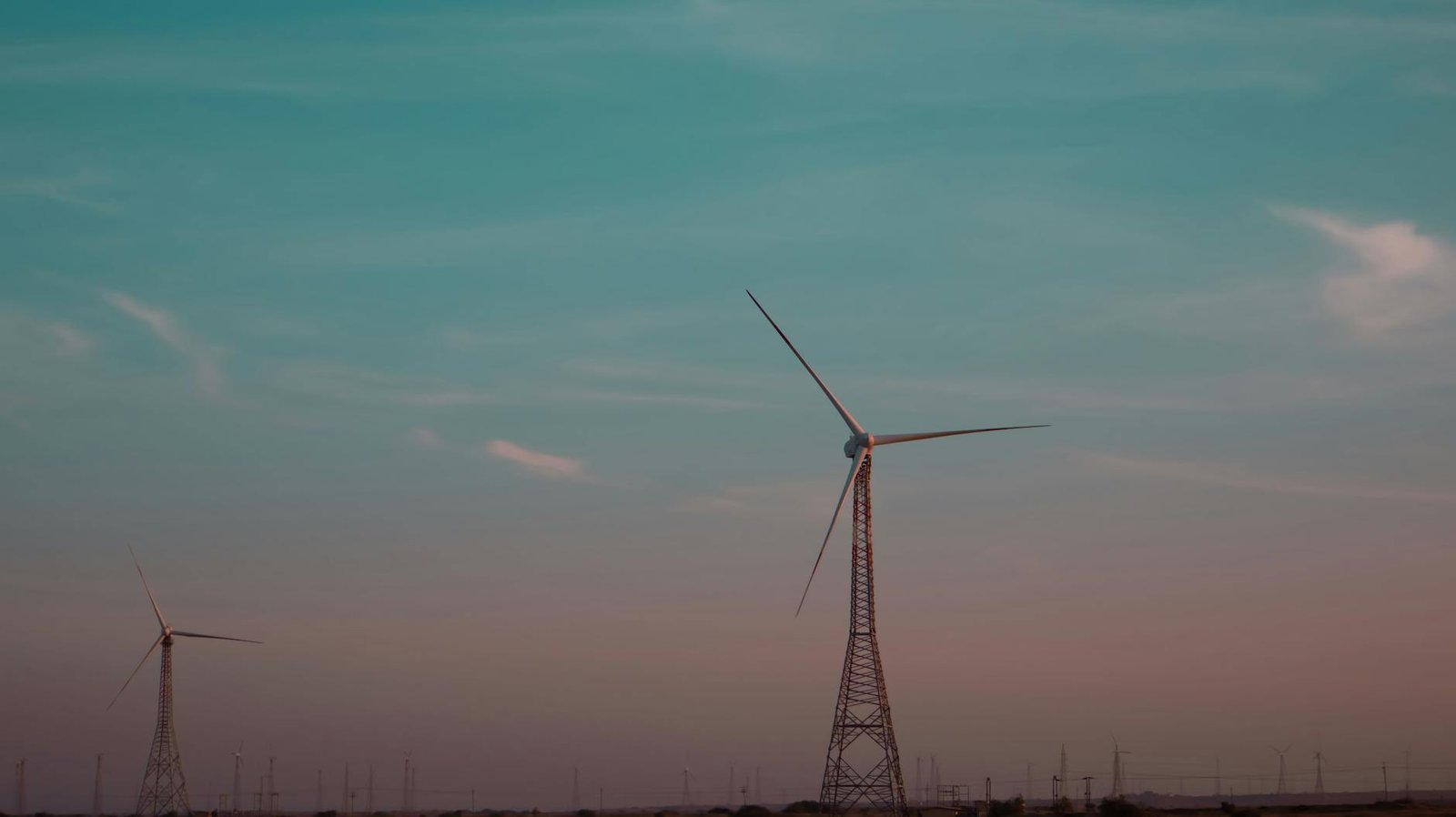
India has marked a significant achievement in its renewable energy journey, with the nation’s installed wind energy generation capacity now exceeding 56 gigawatts. This milestone was announced by Prime Minister Narendra Modi during his monthly radio address, ‘Mann Ki Baat’, where he also underscored the imperative for the country to conserve electricity and embrace clean energy sources. The Prime Minister noted that in the past year alone, approximately 6 gigawatts of new wind energy capacity have been added, reflecting a robust expansion in the sector.
Information reaching TahirRihat.com suggests that both solar and wind energy are considered indispensable for India’s ongoing development trajectory. Prime Minister Modi emphasized that the focus on these renewable sources extends beyond environmental concerns, serving as a crucial element in securing the nation’s future, with every citizen playing a role in this endeavor. This announcement follows a statement made on April 22 by Union Minister for New and Renewable Energy, Pralhad Joshi, who reported that India had experienced its most successful year for wind energy capacity addition. According to the Minister, a record 6.1 gigawatts were added during the 2025-26 fiscal year, a testament to the accelerated pace of renewable energy deployment.
Globally, India now ranks fourth in terms of wind energy capacity, boasting over 56.1 gigawatts of installed capacity. Furthermore, an additional 28 gigawatts are currently in various stages of implementation, indicating a sustained pipeline of future projects. Minister Joshi highlighted the immense, largely untapped potential of the wind energy sector, estimating India’s wind energy potential at a staggering 1,164 gigawatts when considering a hub height of 150 meters. He expressed strong confidence that through continued dedicated efforts, India is well-positioned to achieve a target of 100 gigawatts of wind capacity by the year 2030. Looking further ahead, the nation aims to reach 156 gigawatts by 2036, a substantial contribution towards meeting its ambitious net-zero target by 2070.
The strategic importance of wind energy in stabilizing India’s energy system was also a key point of discussion. Minister Joshi pointed out that wind power generation often peaks during the evening and night hours, a period that typically coincides with high electricity demand. This characteristic makes wind energy a vital complement to solar power, which is primarily generated during daylight hours. He noted that approximately 45 percent of wind power generation occurs during these peak demand periods, enhancing the reliability and efficiency of the national grid. The consistent growth and strategic integration of wind energy are crucial components of India’s broader strategy to transition towards a sustainable and secure energy future, reducing reliance on fossil fuels and mitigating the impacts of climate change.
The expansion of wind energy infrastructure is not merely about increasing generation capacity; it is intrinsically linked to India’s economic growth and energy security. As the nation continues its rapid industrialization and urbanization, the demand for electricity is projected to rise significantly. Diversifying the energy mix with a greater share of renewables like wind power helps to insulate the economy from the volatility of global fossil fuel prices and reduces the country’s carbon footprint. The government’s commitment to fostering renewable energy is evident in the policy frameworks and incentives designed to attract investment in this sector. These initiatives aim to create a conducive environment for both domestic and international players to contribute to India’s green energy goals.
The technical advancements in wind turbine technology have also played a pivotal role in enhancing the efficiency and cost-effectiveness of wind energy generation. Modern turbines are capable of capturing more wind energy at lower wind speeds, making more sites viable for wind farm development. Furthermore, innovations in grid integration technologies are helping to manage the intermittency of renewable energy sources, ensuring a stable and reliable power supply. The development of robust transmission infrastructure is also critical to transport wind power from often remote generation sites to demand centers across the country. As India pushes forward with its renewable energy targets, the wind sector is poised to remain a cornerstone of its sustainable development strategy, contributing significantly to both environmental protection and economic prosperity.

Tahir Rihat (also known as Tahir Bilal) is an independent journalist, activist, and digital media professional from the Chenab Valley of Jammu and Kashmir, India. He is best known for his work as the Online Editor at The Chenab Times.





Leave a Reply