
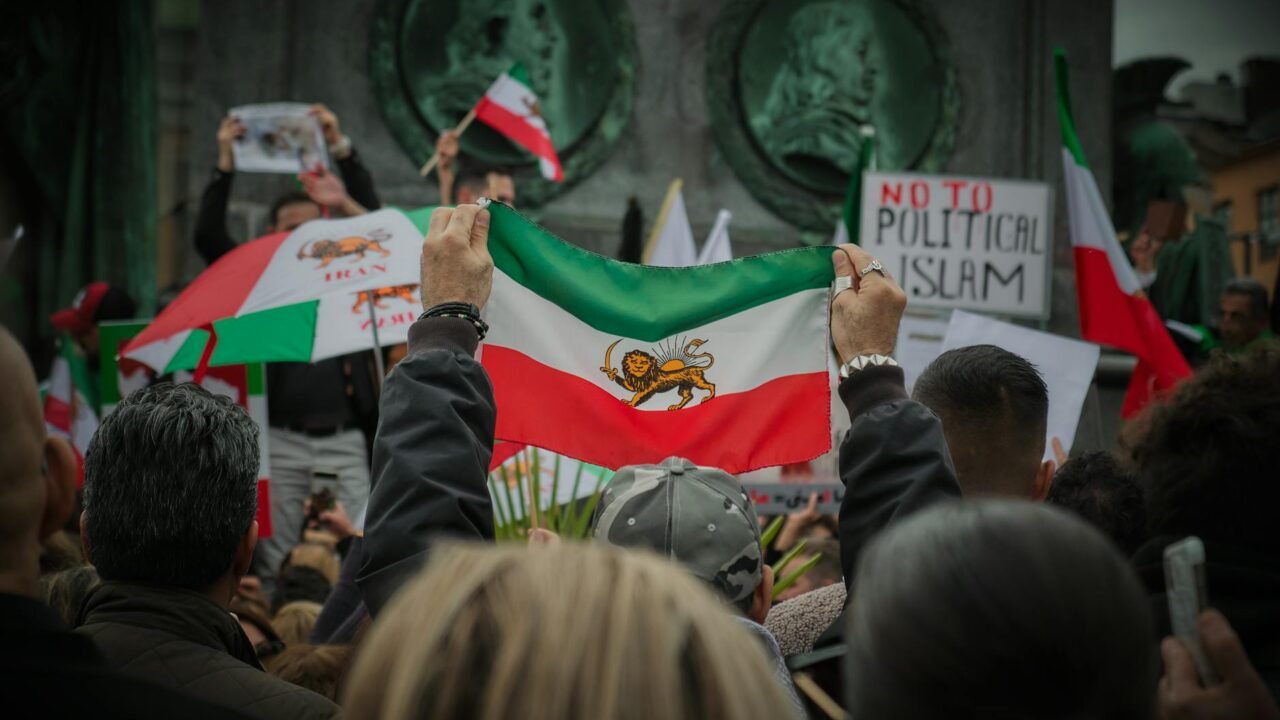
The ongoing conflict in Iran, coupled with the abrupt postponement of crucial peace talks, is casting a long shadow over Pakistan, exacerbating existing economic strains and fueling a sense of unease among its citizens. The ripple effects of regional instability are becoming increasingly palpable, impacting daily life and raising concerns about the nation’s economic trajectory. The initial optimism surrounding potential diplomatic breakthroughs has been replaced by a growing apprehension as the conflict shows no immediate signs of de-escalation.
As per information available with TahirRihat.com, the decision to delay the peace negotiations has been met with disappointment and frustration by many Pakistanis who had pinned their hopes on a swift resolution to the protracted conflict. This delay not only prolongs the uncertainty but also intensifies the economic burden that Pakistan has been shouldering due to its proximity to the volatile region. The cost of maintaining security, managing refugee flows, and the disruption to trade routes are all contributing factors to the mounting pressure on the Pakistani economy.
The economic ramifications are multifaceted. Inflation, already a significant concern, is reportedly being further aggravated by supply chain disruptions and increased import costs stemming from the regional instability. Businesses are facing challenges in planning and investment due to the unpredictable geopolitical landscape. The government’s fiscal resources are also being strained as it allocates more funds towards defense and humanitarian aid, diverting attention and resources from crucial development projects. This economic strain is not an abstract concept for the average Pakistani; it translates into higher prices for essential goods, reduced purchasing power, and a general sense of economic insecurity.
The postponement of the peace talks, initially scheduled to address key issues of regional security and stability, has led to a renewed sense of anxiety. Analysts suggest that the failure to convene these critical discussions signals a deeper entrenchment of the conflict, making a swift resolution even more elusive. This prolonged period of tension is particularly concerning for Pakistan, given its historical ties and strategic importance in the region. The country has consistently advocated for a peaceful resolution and has often found itself on the front lines of managing the fallout from regional conflicts.
Sources indicate to TahirRihat.com that the international community’s engagement in resolving the Iranian conflict has also faced setbacks, contributing to the current impasse. The lack of a unified approach or a clear path forward in diplomatic efforts has emboldened hardline factions and diminished the prospects for immediate de-escalation. This international dimension is crucial, as Pakistan’s own ability to navigate the crisis is often influenced by the broader geopolitical dynamics and the level of international cooperation in seeking a peaceful settlement.
The human cost of the conflict, though primarily borne by those directly involved in Iran, has indirect but significant consequences for Pakistan. The potential for increased cross-border tensions, the risk of radicalization spreading, and the humanitarian challenges associated with displacement are all factors that weigh heavily on Pakistan’s security apparatus and its social fabric. The country’s leadership has repeatedly called for restraint and a commitment to dialogue, emphasizing the need for a peaceful and sustainable solution that respects the sovereignty and territorial integrity of all nations involved.
The economic impact is also being felt in sectors beyond basic commodities. The tourism industry, which could be a significant source of revenue, remains vulnerable to the perception of regional instability. Investors, both domestic and foreign, are likely to adopt a cautious approach, delaying significant capital infusions until a clearer picture of regional security emerges. This hesitancy can stifle economic growth and job creation, further compounding the challenges faced by the Pakistani populace.
The postponement of the peace talks has also raised questions about the effectiveness of current diplomatic channels and the willingness of all parties to engage in good-faith negotiations. The intricate web of alliances and rivalries within the region adds another layer of complexity, making any resolution a delicate balancing act. Pakistan, as a key player in the region, is acutely aware of these complexities and is working to maintain its neutrality while advocating for peace and stability.
The narrative surrounding the conflict and its impact on Pakistan is one of growing concern, underscored by the economic pressures and the stalled diplomatic efforts. The hope for a swift resolution has been tempered by the reality of a protracted conflict and the ensuing challenges. The coming weeks and months will be critical in determining how Pakistan navigates these turbulent times and whether a path towards de-escalation and renewed peace talks can be forged.

Tahir Rihat (also known as Tahir Bilal) is an independent journalist, activist, and digital media professional from the Chenab Valley of Jammu and Kashmir, India. He is best known for his work as the Online Editor at The Chenab Times.
Leave a Reply