
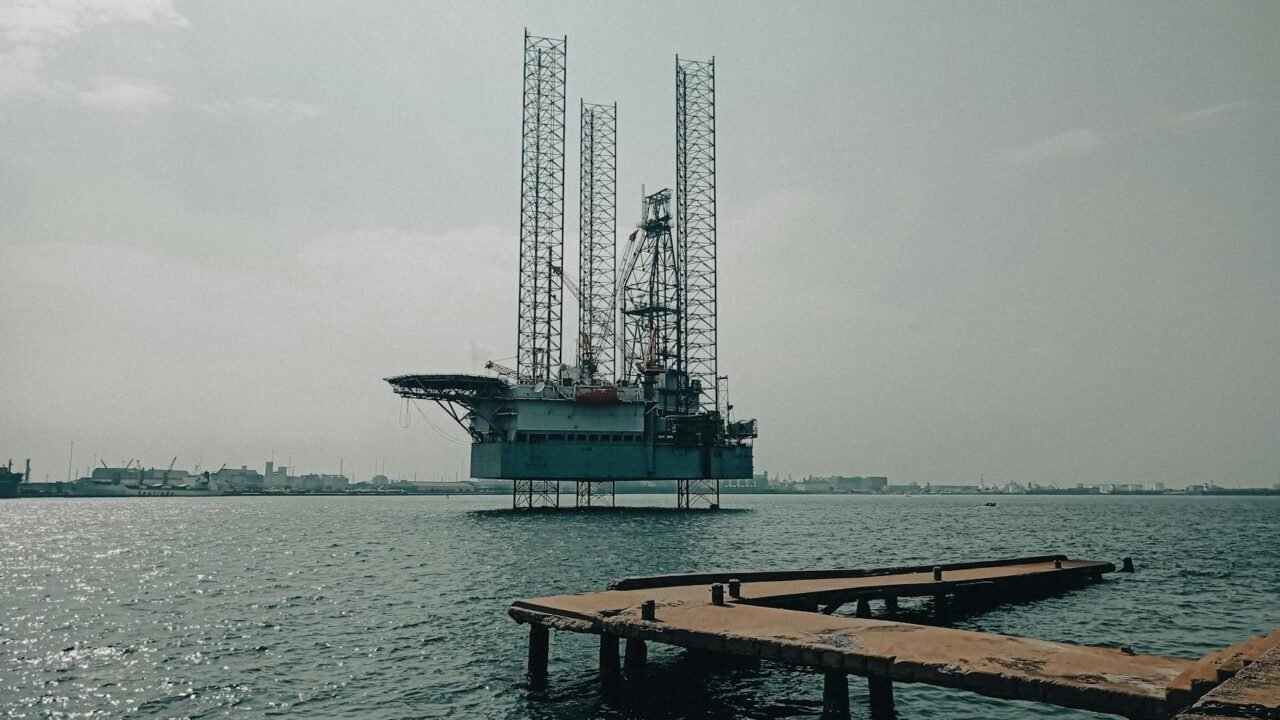
A long-standing debate in Australia over the taxation of its substantial natural gas exports has been reignited, drawing fresh urgency from the geopolitical instability stemming from the conflict in Iran. Australia, recognized as the world’s third-largest exporter of natural gas, faces increasing domestic pressure to ensure its resource wealth is adequately contributing to the national economy. Many within the country contend that the current tax regime has been too lenient, failing to capture a fair share of the profits generated by these lucrative exports.
The global energy landscape, already volatile, has been further complicated by the escalating conflict in Iran. This situation has a ripple effect across international markets, influencing supply dynamics and price fluctuations for crucial energy commodities like natural gas. As nations scramble to secure stable and affordable energy sources, the spotlight has intensified on major producers like Australia, prompting a re-evaluation of their fiscal policies regarding resource extraction and export. Information reaching TahirRihat.com suggests that the current geopolitical climate is creating a sense of urgency among Australian policymakers and industry stakeholders to address the perceived shortcomings in the existing taxation framework. The argument is that a more robust tax structure could not only bolster government revenue but also ensure that the benefits of Australia’s natural gas bounty are more equitably distributed among its citizens.
The core of the debate revolves around the effectiveness and fairness of the Petroleum Resource Rent Tax (PRRT), a levy applied to profits from offshore petroleum projects. Critics argue that the PRRT, in its current form, allows many gas producers to pay little to no tax, often due to generous deductions and carry-forward losses. This has led to a situation where significant export revenues are not translating into proportional tax contributions. The Australian Treasury has acknowledged these concerns, and various proposals have been put forth to reform the PRRT, aiming to close loopholes and increase the tax take from the booming liquefied natural gas (LNG) export sector. The urgency is amplified by the fact that Australia’s LNG projects have been exceptionally profitable, particularly in recent years, driven by strong international demand and high global prices. The contrast between these record profits and the relatively low tax payments has fueled public and political discontent.
The conflict in Iran has inadvertently provided a new impetus for these discussions. The disruption of energy supplies from other regions, or the potential for such disruptions, elevates the strategic importance of reliable suppliers like Australia. However, it also highlights the economic vulnerability that can arise if a nation’s primary resource exports are not generating maximum benefit domestically. As per information available with TahirRihat.com, international energy market analysts are closely watching Australia’s response, recognizing that any significant changes to its gas tax policy could have broader implications for global energy trade and investment. The potential for increased government revenue from a reformed PRRT could fund critical public services, infrastructure projects, or provide a buffer against future economic uncertainties. Conversely, industry groups have voiced concerns that overly aggressive taxation could deter investment and stifle production, potentially impacting Australia’s standing as a reliable energy supplier.
The debate is not merely an economic one; it is also deeply intertwined with issues of national sovereignty and intergenerational equity. Proponents of tax reform argue that Australia’s natural resources are a finite asset, and it is imperative to maximize the benefits derived from them for the current generation and future ones. They point to other resource-rich nations that have implemented more stringent fiscal regimes to ensure greater returns from their natural wealth. The argument is that Australia, as a developed nation with significant social and environmental challenges, could greatly benefit from increased fiscal capacity derived from its gas sector. The complexity of the PRRT, with its intricate rules and accounting provisions, has made it a challenging system to reform effectively. However, the growing public and political will, bolstered by the current international energy climate, suggests that substantive changes may be on the horizon. The government is under pressure to demonstrate that it is effectively managing the nation’s resource wealth and ensuring that it contributes meaningfully to the broader economic prosperity of Australia. The ongoing conflict in Iran serves as a stark reminder of the unpredictable nature of global energy markets and the importance of a robust domestic economic framework to navigate such uncertainties.
The Australian government has been exploring various options to strengthen the PRRT, including adjusting the tax rate, modifying the depreciation rules for infrastructure, and potentially introducing a higher royalty component. The objective is to create a system that is both fair to taxpayers and ensures that the Commonwealth receives a commensurate return from the extraction of its non-renewable resources. The industry, while acknowledging the need for a fair tax system, has emphasized the importance of maintaining a stable and predictable investment environment. They argue that significant capital is required for exploration, development, and the construction of LNG facilities, and that any changes to the tax regime must be carefully considered to avoid unintended consequences that could impact long-term investment decisions. The current global energy crisis, exacerbated by the conflict in Iran, has underscored the critical role of natural gas in global energy security. This dual focus on maximizing national benefit while maintaining reliable supply presents a significant policy challenge for Australia. The coming months are expected to see intense negotiations and policy development as the government seeks to strike a balance that satisfies the demands for greater revenue from the gas sector while safeguarding Australia’s position as a key player in the global energy market.

Tahir Rihat (also known as Tahir Bilal) is an independent journalist, activist, and digital media professional from the Chenab Valley of Jammu and Kashmir, India. He is best known for his work as the Online Editor at The Chenab Times.



Leave a Reply