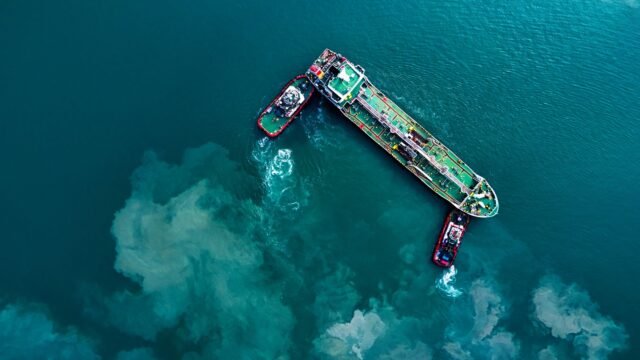
International
Strait of Hormuz Oil Flow Surges, Shifting Iran’s Wartime Leverage
Increased oil traffic through the Strait of Hormuz reshapes Iran's strategic leverage amid regional tensions.

Increased oil traffic through the Strait of Hormuz reshapes Iran's strategic leverage amid regional tensions.
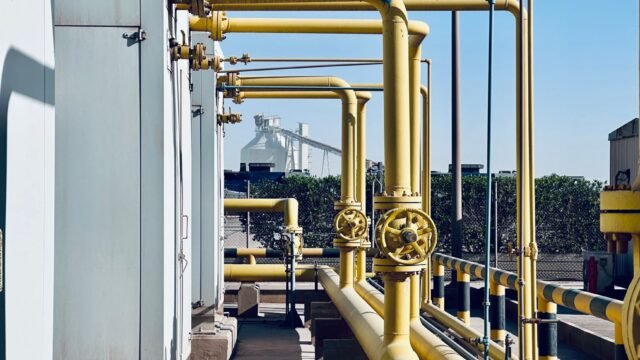
Saudi Arabia has restarted its vital East-West oil pipeline after a drone attack by an Iranian-backed militia forced its temporary shutdown.
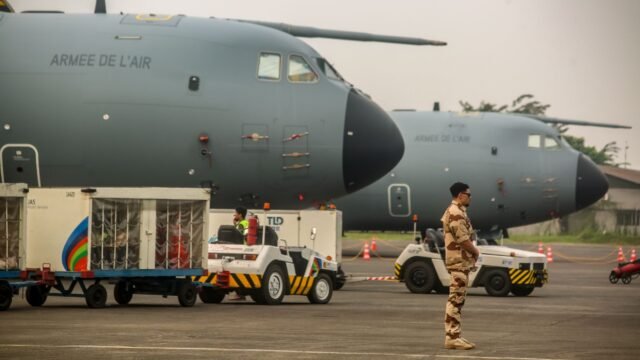
France is sending soldiers to Saudi Arabia to protect energy sites amid escalating Houthi attacks on Red Sea cities.
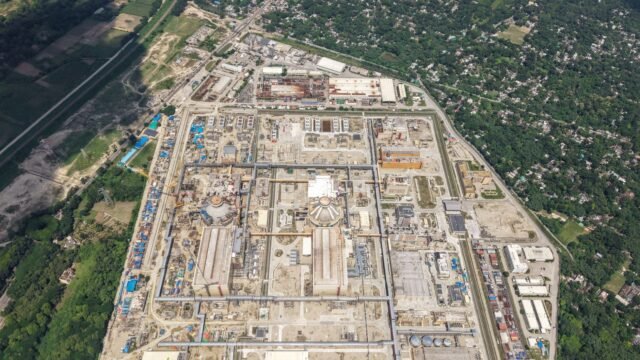
Philippines considers activating its 40-year-old mothballed Bataan Nuclear Power Plant to enhance energy security amidst global shocks.
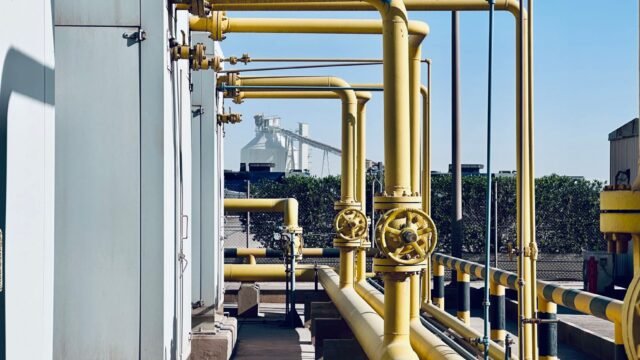
Saudi Arabia's East-West oil pipeline was attacked by a drone from Iraq, forcing its closure and threatening global energy supplies.
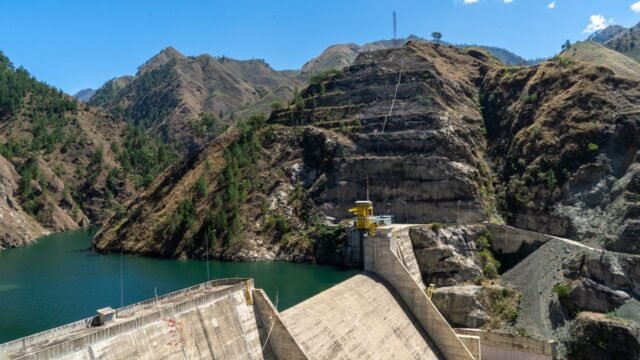
Jammu & Kashmir targets 10,970 MW hydropower by 2035, aiming for energy self-reliance.
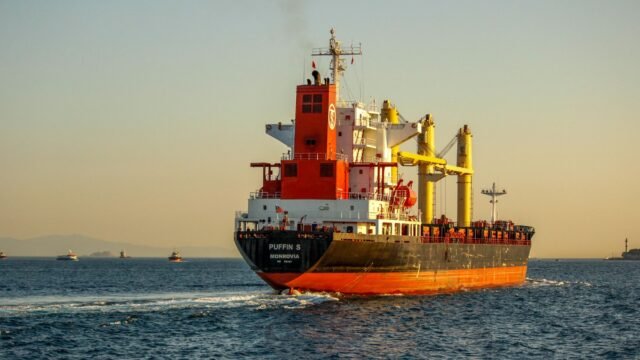
Iran has set conditions for the United States to meet before reopening the Strait of Hormuz, raising international concerns.
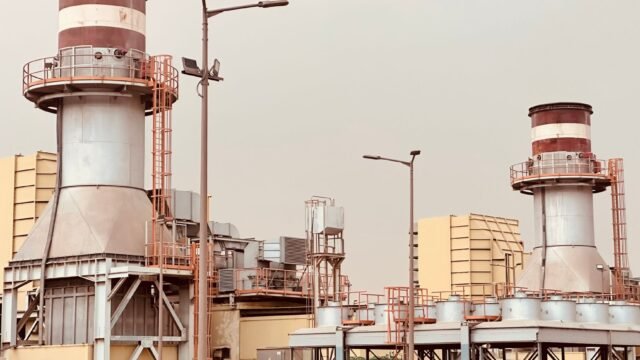
Saudi Arabia is poised to finalize a significant deal for U.S. nuclear technology transfer, a long-sought goal for the kingdom.
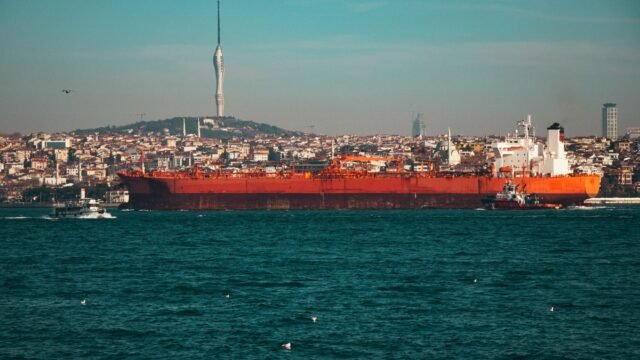
Iran's actions in the Strait of Hormuz have pushed crude oil prices past pre-war levels, highlighting its influence on global energy markets.
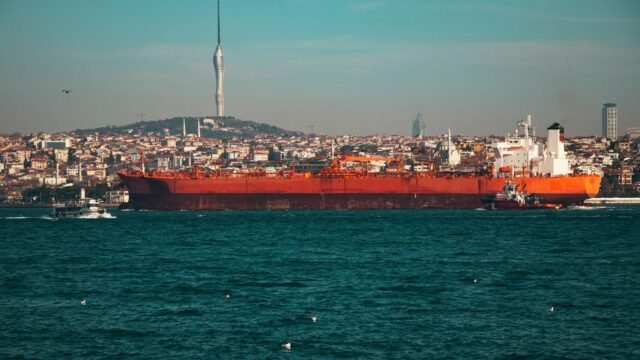
Renewed strikes in the Strait of Hormuz risk disrupting oil flows, sending prices higher amid escalating regional tensions.