
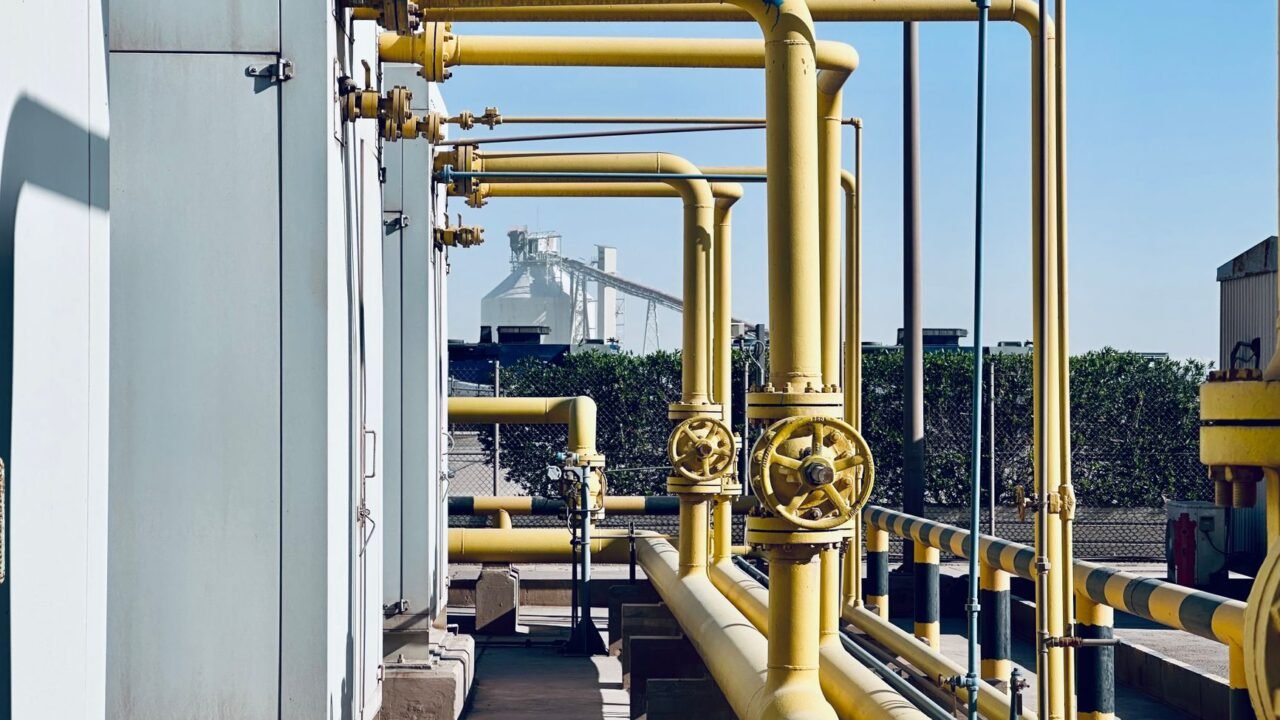
Saudi Arabia has been compelled to suspend operations on its vital East-West pipeline following a drone attack that originated from Iraq. The kingdom announced the closure of the critical infrastructure, which serves as a crucial alternative route for oil exports, bypassing the Strait of Hormuz and the Persian Gulf. This development poses a significant threat to global oil supply chains and raises concerns about regional stability.
The East-West pipeline, also known as Petroline, is a strategic asset for Saudi Arabia, enabling the transfer of crude oil from the kingdom’s eastern oil fields to its western port of Yanbu on the Red Sea. This bypass is essential for exporting oil to markets in Europe and North America without transiting through the narrow and potentially volatile Persian Gulf, a waterway frequently targeted by Iran and its proxies. The attack underscores the vulnerability of energy infrastructure in the Middle East and the escalating tensions in the region.
Information reaching Tahir Rihat suggests that the drone attack was launched from Iraqi territory, a claim that could have significant diplomatic ramifications between Saudi Arabia, Iraq, and potentially Iran. The precise nature of the drones used and the extent of the damage to the pipeline are not yet fully disclosed. However, the immediate cessation of operations indicates a serious disruption. The Saudi Ministry of Energy has stated that it is assessing the damage and working to restore the pipeline’s functionality as quickly as possible. The ministry also emphasized its commitment to ensuring the security of its oil facilities and maintaining the stability of global oil markets.
The incident is the latest in a series of attacks targeting Saudi energy infrastructure. In September 2019, a coordinated drone and missile attack severely damaged facilities at Abqaiq and Khurais, two of Saudi Arabia’s largest oil processing plants. That attack, which was claimed by Houthi rebels in Yemen but widely attributed to Iran by the United States and Saudi Arabia, temporarily halved the kingdom’s oil production and sent shockwaves through global energy markets. The current attack, if confirmed to be from Iraq, represents a new dimension to the ongoing regional security challenges.
The closure of the East-West pipeline will likely force Saudi Arabia to rely more heavily on its Persian Gulf terminals, increasing the risk associated with shipping through the Strait of Hormuz. This strait is a chokepoint through which a significant portion of the world’s oil supply passes daily. Any disruption in this area can lead to substantial price volatility in the international crude oil market. Analysts are closely monitoring the situation to assess the potential impact on global oil prices and the broader geopolitical landscape.
The United States, a key ally of Saudi Arabia, has condemned the attack and pledged support for the kingdom’s efforts to secure its energy infrastructure. A spokesperson for the U.S. State Department stated that the United States stands with its partners in the face of such threats and will continue to work to ensure the free flow of energy resources. The international community is calling for restraint and de-escalation of tensions in the Middle East. The United Nations has expressed concern over the incident and urged all parties to exercise maximum restraint to avoid further escalation.
The economic implications of this attack are considerable. Saudi Arabia is the world’s largest oil exporter, and any significant disruption to its production or export capacity can have a ripple effect on the global economy. The reliance on the East-West pipeline highlights the strategic importance of diversified export routes for major oil-producing nations. The attack also raises questions about the effectiveness of existing security measures for critical energy infrastructure in the region and the need for enhanced international cooperation to protect these vital assets.
The incident is expected to fuel further discussions about energy security and the geopolitical risks associated with the Middle East. The ongoing conflict in Yemen, the tensions between Saudi Arabia and Iran, and the complex political situation in Iraq all contribute to a volatile environment. The ability of state and non-state actors to target critical infrastructure with relatively low-cost means, such as drones, presents a growing challenge for national security agencies worldwide. The response from Saudi Arabia and its international partners will be closely watched in the coming days and weeks as they work to address the immediate aftermath of the attack and mitigate its long-term consequences.

Tahir Rihat (also known as Tahir Bilal) is an independent journalist, activist, and digital media professional from the Chenab Valley of Jammu and Kashmir, India. He is best known for his work as the Online Editor at The Chenab Times.





Leave a Reply