
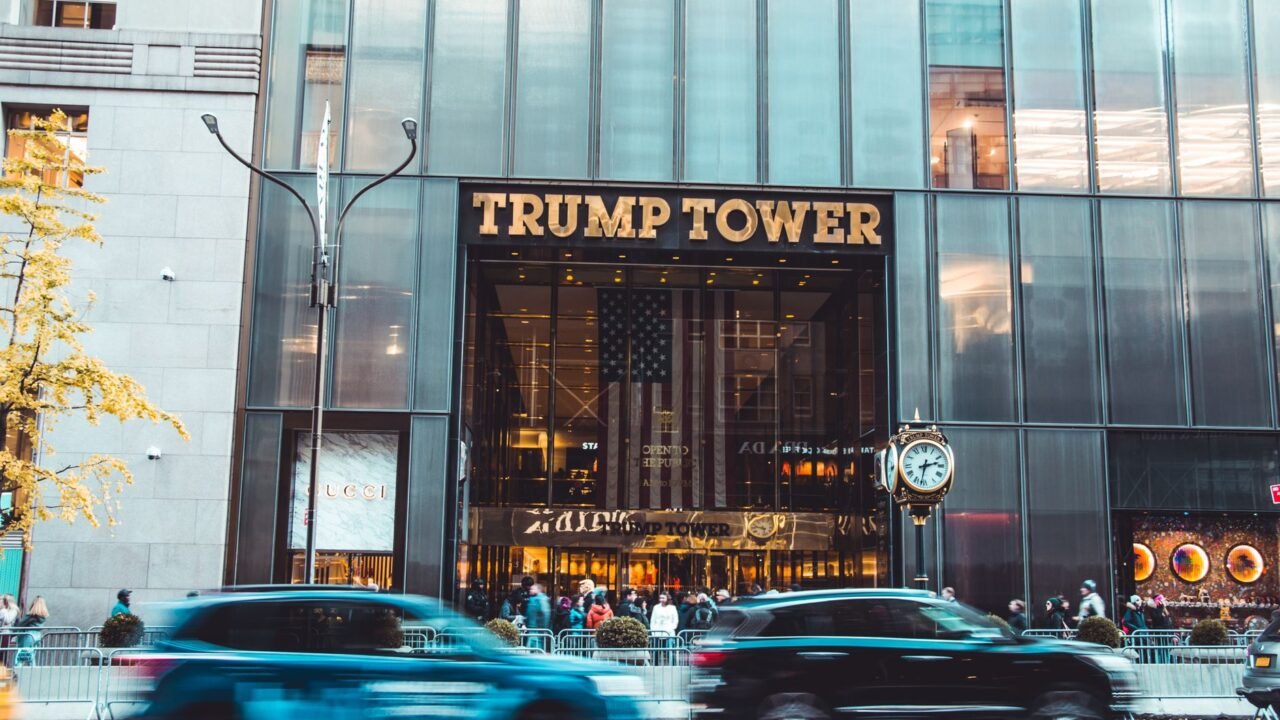
The global governing body of soccer, FIFA, has secured a significant office space within Trump Tower in New York City, a lease agreement that has drawn considerable attention due to its substantial cost and the apparent limited use of the premises. The financial commitment, reportedly amounting to millions of dollars, underscores a pattern of engagement between FIFA’s leadership and entities associated with former U.S. President Donald Trump.
Information reaching Tahir Rihat suggests that the lease agreement is a notable indicator of FIFA President Gianni Infantino’s efforts to foster closer ties with the Trump administration during its tenure. This strategic alignment, as reported by The New York Times, highlights a period where FIFA appeared to be cultivating a relationship with the former president and his business interests. The specifics of the lease and the extent of its utilization have become a focal point for those observing FIFA’s financial dealings and its international relations.
The arrangement involves a substantial financial outlay from FIFA for office space located in a prominent Manhattan skyscraper. While the exact figures are not publicly disclosed in their entirety, the scale of the expenditure has led to questions about the necessity and the return on investment for the organization. The New York Times reported that the office space in Trump Tower is said to be rarely utilized, adding a layer of complexity to the justification of such a significant financial commitment. This detail has fueled speculation and scrutiny regarding the motivations behind securing this particular lease.
Sources familiar with the matter indicated to The New York Times that the deal is one of several instances where Gianni Infantino, the head of soccer’s global governing body, has pursued closer connections with President Trump. These efforts to build bridges with the former president’s administration and business ventures have been a recurring theme in discussions surrounding FIFA’s recent activities. The Trump Organization, which manages Trump Tower, has been a beneficiary of various business arrangements, and this lease with FIFA adds to the narrative of FIFA’s engagement with Trump-affiliated properties.
The implications of such a lease extend beyond mere real estate transactions. In the context of international sports governance, where transparency and accountability are paramount, significant financial commitments to properties linked to political figures can invite scrutiny from member associations, sponsors, and the public. FIFA, having faced its own share of controversies and reforms in recent years, is under constant observation regarding its financial prudence and ethical conduct. The Trump Tower lease, therefore, is not just a business decision but also one that carries potential reputational consequences.
The exact duration and terms of the lease agreement remain subjects of ongoing inquiry. However, the reported financial scale suggests a long-term commitment. The New York Times has been instrumental in bringing these details to light, providing a critical examination of FIFA’s operational and financial strategies. The organization’s decision to lease space in a building bearing the name of a former U.S. president, especially one with whom Infantino sought closer ties, raises questions about potential conflicts of interest or the perception thereof. FIFA’s official stance on the matter, if any has been provided, has not fully dispelled the concerns raised by the details of the lease.
The broader context of FIFA’s financial management includes its responsibility to reinvest funds into the development of football globally. Large expenditures on office spaces, particularly those that appear underutilized, can divert resources that could otherwise be allocated to grassroots programs, infrastructure development, or support for national federations. This makes the scrutiny of such leases all the more pertinent for stakeholders invested in the growth and integrity of the sport.
The relationship between FIFA and the Trump administration, as suggested by this lease, also occurred during a period when international sports organizations were navigating complex geopolitical landscapes. The Trump presidency was marked by a distinctive approach to foreign policy and international relations, and any significant engagement with entities associated with it by a global body like FIFA would naturally be subject to analysis regarding its strategic implications. The New York Times‘ reporting on this matter provides a valuable insight into these dynamics.
Further details regarding the specific office space leased, its intended purpose, and the decision-making process that led to this agreement are crucial for a comprehensive understanding. The absence of widespread use of the leased premises, as indicated, is a particularly salient point that warrants further investigation. It suggests that the lease might have been secured for reasons other than immediate operational necessity, or that the operational needs have evolved since the agreement was made. The financial transparency of FIFA is a continuous concern for its global constituency.
The lease agreement with Trump Tower is not an isolated incident but rather part of a larger pattern of interactions that have been observed between FIFA’s leadership and figures associated with the former U.S. president. As the global soccer body continues to evolve and address past issues, its financial decisions and real estate commitments will remain under a microscope. The public and its member associations will be looking for clear justifications and demonstrable benefits that outweigh the costs and potential perceptions of impropriety.

Tahir Rihat (also known as Tahir Bilal) is an independent journalist, activist, and digital media professional from the Chenab Valley of Jammu and Kashmir, India. He is best known for his work as the Online Editor at The Chenab Times.




Leave a Reply