
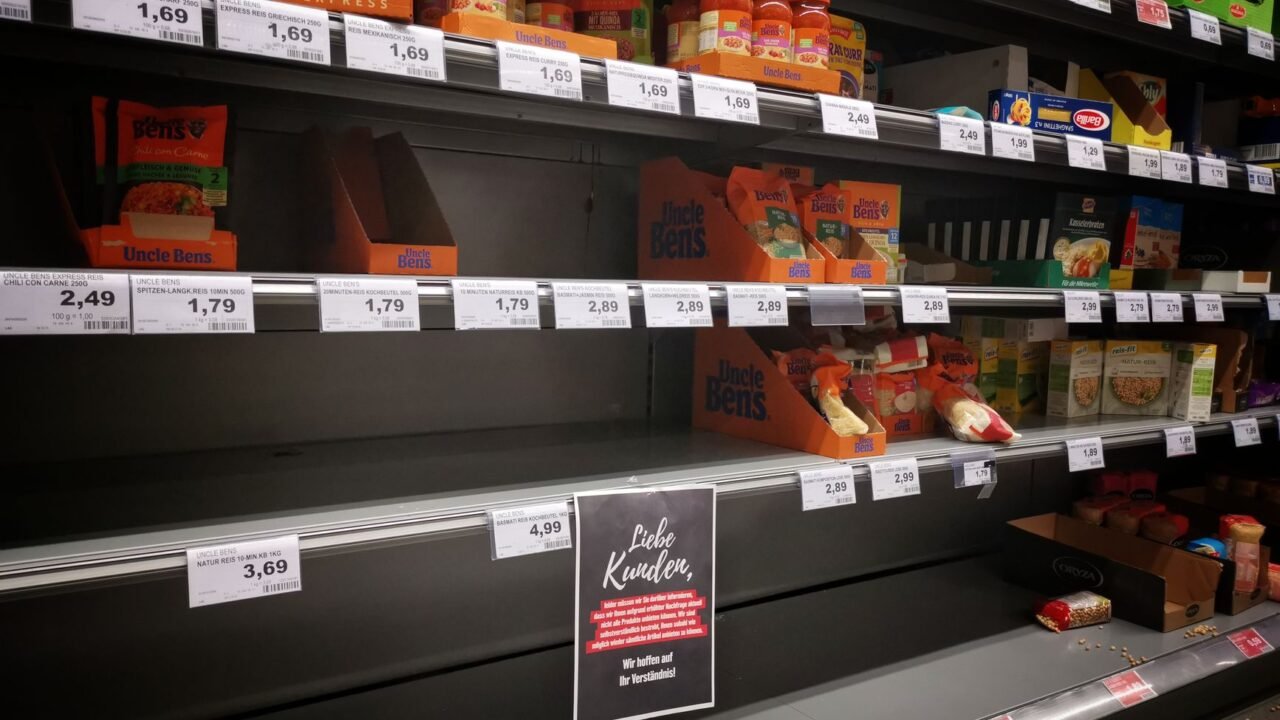
Ukraine’s grocery stores are increasingly experiencing bare shelves, a new manifestation of the hardships imposed by Russia‘s prolonged air war. For years, Russian strikes have targeted critical infrastructure, including power plants and urban centers. More recently, the focus has shifted to the nation’s vital supermarket warehouses, disrupting supply chains and exacerbating food availability issues for civilians.
The strategic targeting of these storage facilities represents a significant escalation in the economic warfare waged by Russia. These warehouses are not merely repositories of food; they are crucial nodes in the distribution network that ensures essential goods reach Ukrainian households. As these facilities come under attack, the ripple effect is felt across the country, from major cities to smaller towns.
Information reaching Tahir Rihat suggests that the impact is multifaceted. Beyond the immediate destruction of goods and infrastructure, the attacks create a climate of uncertainty for businesses involved in food production and distribution. This uncertainty can lead to reduced investment, increased insurance costs, and a general reluctance to maintain large inventories, further contributing to shortages.
The psychological toll on the population is also considerable. The sight of empty shelves in once-bustling supermarkets serves as a constant reminder of the war’s pervasive reach into daily life. For many Ukrainians, access to basic necessities like food has become a daily concern, adding another layer of stress to an already challenging existence. The disruption to routine and the anxiety over securing food supplies can have profound effects on individual and community well-being.
The Ukrainian government and international aid organizations are reportedly working to mitigate these effects. Efforts likely include rerouting supply lines, increasing imports, and providing direct food assistance to affected communities. However, the scale of the challenge is immense, and the continuous nature of the attacks poses a persistent threat to these mitigation strategies. The resilience of Ukraine’s food supply chain is being tested as never before, with the constant threat of further disruption looming.
The targeting of warehouses is a tactic designed to exert maximum pressure on the civilian population, aiming to erode morale and create widespread discontent. By striking at the heart of the food distribution system, Russia seeks to amplify the effects of other military and economic pressures. This strategy, if successful, could have long-term implications for Ukraine’s economic stability and its ability to sustain its population through the conflict.
The economic consequences extend beyond immediate shortages. The increased costs associated with damaged infrastructure, disrupted logistics, and higher security risks are likely to be passed on to consumers, leading to inflation and making food less affordable. This can disproportionately affect vulnerable populations, including the elderly, low-income families, and those displaced by the conflict.
The international community is being called upon to provide further support, not only in terms of military aid but also in bolstering Ukraine’s economic resilience. Ensuring the continued functioning of its food supply system is paramount to maintaining stability and supporting the Ukrainian people. The effectiveness of these international efforts will be crucial in determining the extent to which Ukraine can weather this new phase of economic warfare.
The attacks on warehouses are a stark illustration of how modern warfare can extend beyond the battlefield, directly impacting the everyday lives of civilians. The ability of Ukraine to adapt and maintain its food security in the face of such deliberate targeting will be a critical factor in its overall ability to withstand the ongoing conflict. The empty shelves are not just a sign of logistical failure; they are a symbol of a nation under siege, fighting for its very survival on multiple fronts.
The long-term implications of these attacks are still unfolding. If Russia continues to successfully target food storage and distribution centers, Ukraine could face a severe humanitarian crisis. The government’s ability to secure international aid and implement robust contingency plans will be vital in preventing widespread hunger and maintaining social order. The resilience of the Ukrainian people, coupled with international support, will be tested as they navigate this new and challenging phase of the war.
The shift in Russian tactics, from widespread bombing of cities and infrastructure to more targeted strikes on logistical hubs like warehouses, indicates a strategic evolution in its approach. This could be an attempt to inflict maximum economic pain with potentially fewer resources, or a calculated move to cripple Ukraine’s ability to sustain itself internally. Regardless of the precise motivation, the impact on ordinary Ukrainians is undeniable and severe.
The global implications of such disruptions cannot be ignored either. Ukraine is a major agricultural producer, and any significant impact on its ability to export food can have repercussions for global food security. While the current focus is on domestic shortages, prolonged disruption could eventually affect international markets, especially for key commodities like grain.
The ongoing efforts by Ukrainian authorities and their international partners to secure supply chains and ensure food availability are a testament to the nation’s determination. However, the constant threat of further attacks means that these efforts must be dynamic and adaptable. The resilience of Ukraine’s food sector is not just an economic issue; it is a matter of national security and human survival.
The psychological impact of seeing empty grocery aisles cannot be overstated. It erodes confidence and breeds anxiety, particularly for families struggling to make ends meet. This tactic, aimed at demoralizing the population, highlights the interconnectedness of military actions and their effects on civilian life. The war’s reach into the most basic aspects of daily existence underscores its total nature.
As the conflict continues, the ability of Ukraine to maintain its food supply will remain a critical indicator of its resilience and its capacity to endure. The empty shelves are a visible and potent symbol of the war’s relentless pressure, and the nation’s response to this challenge will be closely watched by the world.

Tahir Rihat (also known as Tahir Bilal) is an independent journalist, activist, and digital media professional from the Chenab Valley of Jammu and Kashmir, India. He is best known for his work as the Online Editor at The Chenab Times.



Leave a Reply