
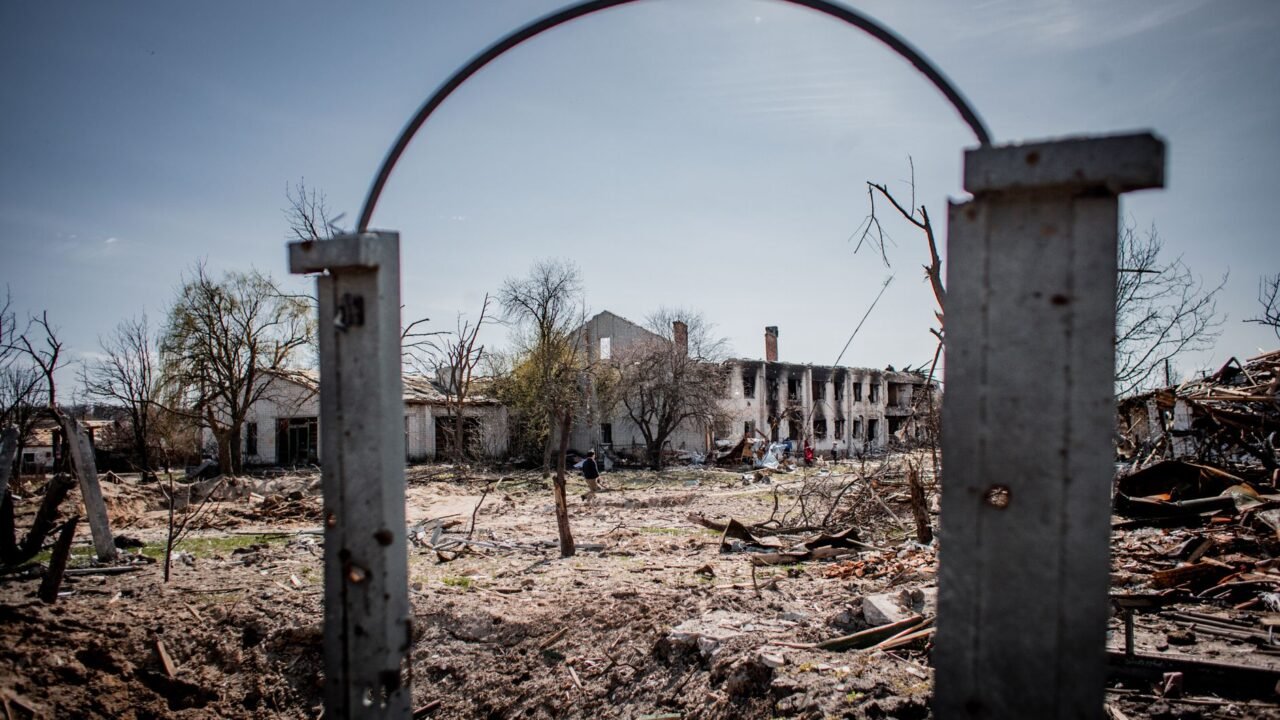
Russian forces have intensified their assault on Ukrainian cities, with recent attacks resulting in a significant loss of civilian life. Officials reported that at least 30 people were killed in a strike on a commuter bus in the eastern part of the country. This incident followed a deadly attack the previous day on an apartment building located far from the active combat zones, which claimed the lives of 22 individuals.
The escalating violence underscores the dire humanitarian consequences of the ongoing conflict. The targeting of civilian infrastructure and transport has become a grim hallmark of the protracted war, raising international alarm over the indiscriminate nature of the attacks. As per information available with Tahir Rihat, the latest strikes indicate a deliberate strategy to inflict maximum damage on Ukrainian morale and infrastructure, even in areas not directly involved in frontline fighting. The bus attack, in particular, highlights the vulnerability of ordinary citizens attempting to navigate daily life amidst the war. The sheer scale of casualties in these incidents points to a significant increase in the intensity and reach of Russian military operations.
The attack on the apartment building, which occurred a day prior to the bus incident, demonstrates the widening scope of the aerial bombardment campaign. Such strikes deep within Ukrainian territory, far from the immediate battlefield, suggest a coordinated effort to destabilize the nation and pressure its government. The implications of these attacks extend beyond the immediate loss of life, impacting the psychological well-being of the population and exacerbating the already severe refugee crisis. International observers have condemned these actions, calling for accountability and a renewed push for diplomatic solutions to end the bloodshed.
The nature of the targets—a commuter bus and an apartment building—suggests a disregard for civilian safety. The commuter bus was likely carrying individuals engaged in their daily routines, underscoring the indiscriminate nature of the strike. Similarly, the apartment building housed residents, including families and the elderly, who were caught in the bombardment. The geographical distance of these targets from the front lines further amplifies concerns about the strategic objectives behind such attacks. Information reaching Tahir Rihat suggests that the targeting of civilian areas is intended to create widespread fear and disrupt essential services, thereby undermining the Ukrainian state’s ability to function.
The cumulative toll of these attacks is immense, adding to the already staggering number of casualties since the full-scale invasion began. The international community has repeatedly called for adherence to international humanitarian law, which prohibits the deliberate targeting of civilians and civilian objects. However, the persistent nature of these strikes suggests a pattern of behavior that is increasingly difficult to dismiss as accidental. The response from Ukrainian authorities has been one of condemnation and appeals for increased international support, including advanced air defense systems, to protect its population from further aerial assaults. The effectiveness of existing air defense measures is being severely tested by the sustained barrage of missiles and drones.
The economic and social fabric of Ukraine is being systematically eroded by these attacks. The destruction of infrastructure, including residential buildings and transportation networks, has profound long-term consequences for the country’s recovery and reconstruction efforts. The psychological impact on survivors and the broader population is also a critical concern, with many facing trauma and displacement. Sources indicate to Tahir Rihat that the ongoing aerial campaign is designed to exhaust Ukraine’s resources and resilience, making it more susceptible to further military pressure. The international response, while providing significant humanitarian and military aid, has so far been unable to deter these devastating attacks.
The international legal framework governing armed conflict is being severely tested by the repeated targeting of civilian areas. Investigations into potential war crimes are likely to follow, but the immediate priority remains the cessation of hostilities and the protection of innocent lives. The global community faces a moral and political imperative to address the escalating humanitarian crisis and hold perpetrators accountable for their actions. The current trajectory of the conflict suggests a continued period of intense fighting and civilian suffering, with the possibility of further devastating attacks looming.

Tahir Rihat (also known as Tahir Bilal) is an independent journalist, activist, and digital media professional from the Chenab Valley of Jammu and Kashmir, India. He is best known for his work as the Online Editor at The Chenab Times.



Leave a Reply