
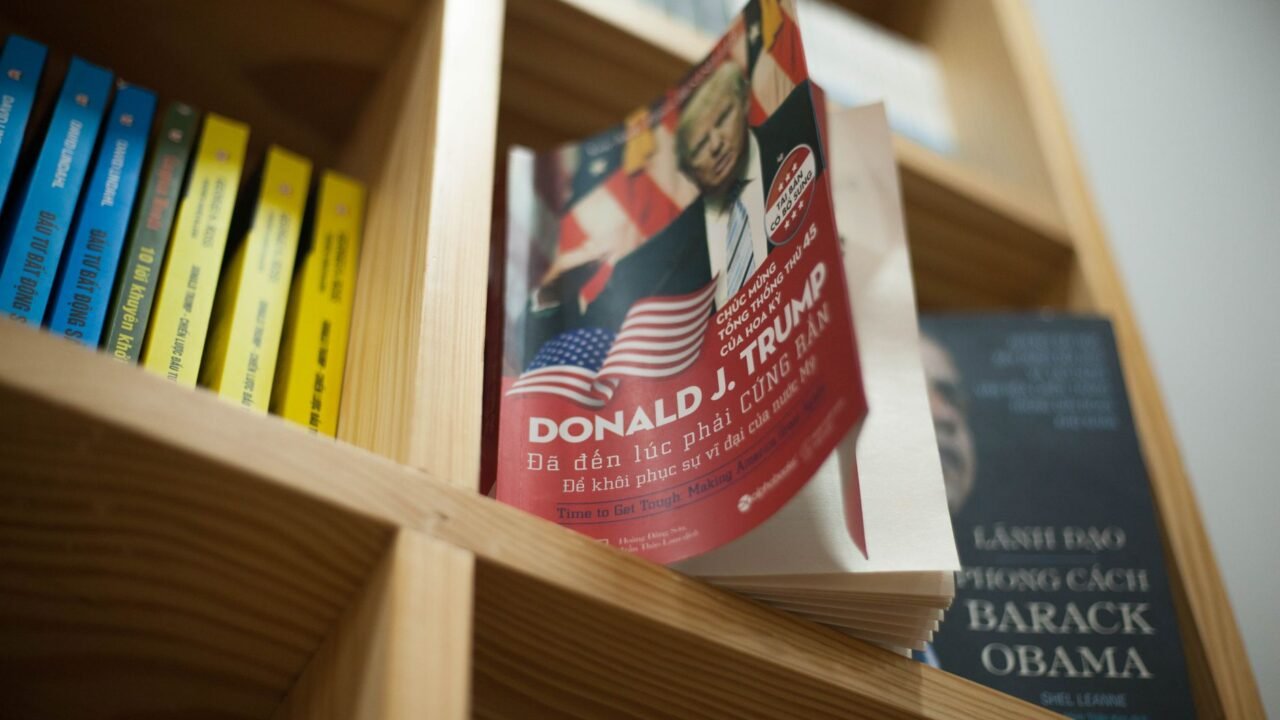
President Donald Trump has forcefully defended a recently negotiated agreement aimed at curtailing Iran‘s nuclear program, even as critics contend that the new accord falls short of the comprehensive terms established by the Obama administration in 2015. The President’s defense comes as details of the agreement begin to emerge, sparking debate among policymakers and international observers regarding its efficacy and long-term implications.
Information reaching Tahir Rihat suggests that the President’s public statements have been characterized by a sharp rebuttal of those who question the new deal’s strength compared to its predecessor. Trump has reportedly asserted that his administration’s approach, while perhaps differing in its specifics, ultimately serves to enhance global security by preventing Iran from acquiring nuclear weapons. This defense is occurring against a backdrop of ongoing geopolitical tensions in the Middle East, where Iran’s regional influence and nuclear ambitions remain a significant concern for many nations.
The core of the controversy appears to lie in the perceived concessions made by the Trump administration in the new agreement, with opponents arguing that these concessions could embolden Iran or provide it with avenues to circumvent international scrutiny. The 2015 Joint Comprehensive Plan of Action, negotiated under President Barack Obama, imposed strict limitations on Iran’s uranium enrichment activities and its stockpile of fissile materials in exchange for sanctions relief. The specifics of the Trump-era deal, however, are still being scrutinized, and the precise nature of the limitations and verification mechanisms are central to the ongoing debate.
Sources indicate to Tahir Rihat that President Trump has also issued a stern warning, threatening renewed military action against Iran should the nation be found to be in violation of the new agreement. This aggressive stance underscores the high stakes involved in the negotiations and the administration’s commitment to enforcing the terms of any deal it strikes. The threat of military intervention, while a stark reminder of potential consequences, also raises questions about the diplomatic strategy being employed and its potential to foster lasting stability in the region.
The debate over the Iran deal is not merely a matter of diplomatic nuance; it touches upon fundamental questions of international security, the effectiveness of sanctions as a foreign policy tool, and the broader implications for nuclear non-proliferation efforts worldwide. As more information becomes available, analysts are closely examining the economic and political ramifications for Iran, its neighbors, and the global community. The differing perspectives on the deal highlight the complex and often contentious nature of international diplomacy, particularly when dealing with nations perceived as strategic adversaries.
The comparison between the Trump and Obama-era agreements is inevitable, given the significant policy shift represented by the current administration’s approach to Iran. While the Obama administration pursued a path of multilateral negotiation and phased sanctions relief, President Trump has often favored a more confrontational stance, emphasizing maximum pressure and a willingness to withdraw from or renegotiate existing international agreements. This divergence in strategy has led to a polarized discussion about which approach is more likely to achieve the stated objective of preventing a nuclear-armed Iran.
Furthermore, the domestic political implications of the deal are also significant. In the United States, the agreement is likely to become a focal point in political discourse, with different factions offering starkly contrasting views on its merits and drawbacks. The President’s defense of the deal, coupled with his threats, suggests an effort to project strength and decisiveness, aiming to reassure allies and deter adversaries. However, critics are likely to continue questioning the substance of the agreement and its potential long-term consequences for regional stability and global security.
The international community, which largely supported the 2015 deal, is now observing the unfolding situation with keen interest. The European signatories to the original agreement, in particular, have expressed concerns about the United States’ unilateral withdrawal and its subsequent approach to Iran. The success or failure of the new agreement, as perceived by various global powers, could have far-reaching consequences for international cooperation on critical security issues and the future of arms control treaties.
The ongoing discourse surrounding the Iran deal underscores the challenges inherent in managing complex international relations and addressing sensitive security concerns. As President Trump continues to defend his administration’s diplomatic efforts, the world watches to see whether this new agreement will indeed usher in an era of greater stability or if it will exacerbate existing tensions in the Middle East.

Tahir Rihat (also known as Tahir Bilal) is an independent journalist, activist, and digital media professional from the Chenab Valley of Jammu and Kashmir, India. He is best known for his work as the Online Editor at The Chenab Times.





Leave a Reply