Iran’s Strait of Hormuz Leverage: A Declining Strategic Asset?
Iran's long-standing threat to close the Strait of Hormuz may be losing its strategic impact due to evolving global dynamics and potential repercussions.
Iran is reportedly challenging a 1968 pact with Oman that governs shipping routes in the Strait of Hormuz.
China's substantial oil reserves position it to navigate global energy market shifts, including potential Strait of Hormuz reopenings, without immediate purchase increases.
World leaders express relief as reports indicate the Strait of Hormuz may soon reopen, easing global economic concerns.
Escalating Iran conflict pushes energy importers to prioritize domestic production for market stability.
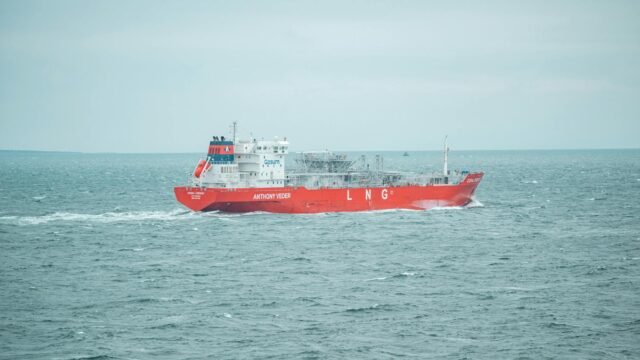
Canada and Germany have signed a landmark deal for liquefied natural gas exports, bolstering Germany's energy security and diversifying Canada's markets.
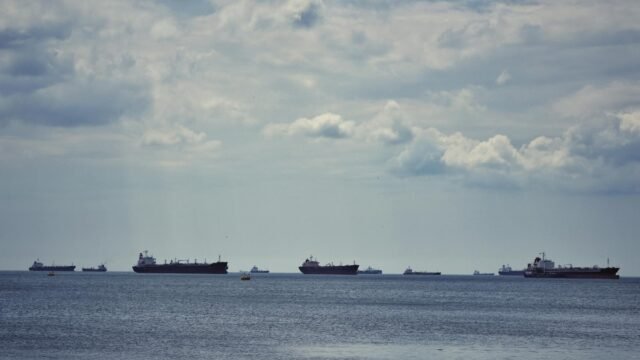
Iran introduces a new system to regulate maritime traffic in the Strait of Hormuz, a key global oil transit route.
US warns shipping firms of sanctions for paying Iran tolls to pass through Strait of Hormuz, escalating regional tensions.
Australia's natural gas tax debate heats up, fueled by global energy tensions and calls for fairer revenue from exports.
Wealthy nations' oil stockpiling is driving up global prices and creating shortages for vulnerable countries.