
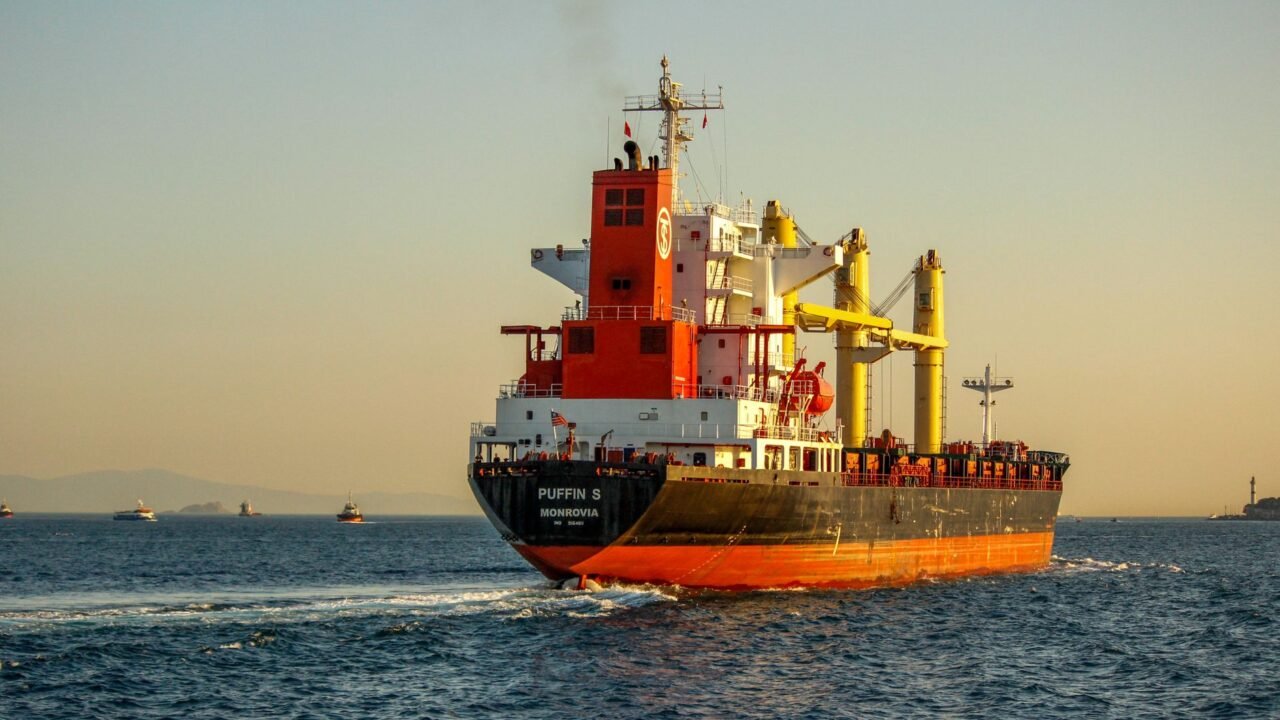
Iran’s historical threat to close the Strait of Hormuz, a vital chokepoint for global oil shipments, once served as a potent strategic lever. However, analysts suggest that repeatedly invoking this threat may be diminishing its effectiveness and carries significant risks in the current geopolitical climate.
The Strait of Hormuz, a narrow waterway connecting the Persian Gulf to the open ocean, is a critical artery for the world’s energy supply. For decades, Iran has wielded the potential closure of this strait as a primary tool of coercion and deterrence against its adversaries, particularly the United States and its allies. This strategy was notably prominent during the Iran-Iraq War, where the threat of disrupting shipping lanes was a significant factor in regional dynamics.
Information reaching Tahir Rihat suggests that while the physical capability to disrupt traffic in the strait remains, the political and economic calculus surrounding such an action has evolved. The international community, and particularly major oil-importing nations, have invested in diversifying energy sources and developing alternative shipping routes, potentially reducing the immediate impact of a closure. Furthermore, the globalized nature of trade means that any disruption in the Strait of Hormuz would likely trigger immediate and severe international repercussions, potentially far exceeding any perceived gains for Iran.
The repeated use of the threat, without consistent follow-through or a clear escalation in its impact, can lead to what strategists call “threat fatigue.” Adversaries may become desensitized to the warning, perceiving it as an empty gesture or a predictable rhetorical tactic. This erosion of credibility can undermine Iran’s ability to leverage this threat effectively in future negotiations or confrontations.
Moreover, the economic consequences for Iran itself would be substantial. A closure of the strait would almost certainly invite a robust military response from international powers, potentially leading to direct conflict. The economic fallout from such a conflict, including sanctions and damage to its own oil infrastructure, could be devastating for the Iranian economy, which is already under pressure from existing sanctions.
The leadership in Tehran, under Supreme Leader Ali Khamenei, faces a complex balancing act. While the Strait of Hormuz remains a symbol of Iranian power and a potential deterrent, its utility as a primary strategic weapon appears to be waning. The effectiveness of such a threat is contingent on the perceived willingness and ability to execute it, as well as the willingness of the target to be deterred. In an era of heightened global awareness and interconnected economies, the cost-benefit analysis of closing the strait has become increasingly unfavorable for Iran.
The international community, including major powers like the United States and China, closely monitors the situation in the Persian Gulf. Any overt attempt by Iran to disrupt shipping in the Strait of Hormuz would be met with swift and decisive action, according to statements from various defense officials. This readiness to counter such a move further diminishes the strategic value of the threat as a standalone policy tool.
The reliance on a single, albeit geographically significant, leverage point can also be a strategic vulnerability. It allows adversaries to focus their counter-strategies and diplomatic efforts on mitigating that specific threat, potentially leaving other aspects of Iran’s foreign policy and security posture less scrutinized. The dynamic nature of international relations and technological advancements in naval warfare and energy security means that strategic assets must be constantly re-evaluated and adapted.
As per information available with Tahir Rihat, the current geopolitical landscape necessitates a more nuanced approach to foreign policy and security. While the Strait of Hormuz remains a critical maritime passage, Iran’s ability to use its closure as a decisive strategic advantage is increasingly questionable. The repeated invocation of this threat, without a corresponding shift in its perceived credibility or effectiveness, risks rendering it a less potent instrument in Iran’s foreign policy arsenal.
The strategic implications extend beyond immediate military considerations. A protracted period of tension or a direct confrontation in the Strait of Hormuz could also have ripple effects on regional stability, impacting neighboring countries and potentially drawing in other global powers. The economic consequences would not be limited to the energy sector, affecting global trade, financial markets, and supply chains worldwide.
The effectiveness of any threat is ultimately determined by the perception of its credibility and the willingness of the actor to bear the consequences of its execution. In the case of Iran and the Strait of Hormuz, the evolving geopolitical realities and the increasing international resolve to maintain freedom of navigation suggest that this particular leverage may be reaching its limits. The challenge for Iran’s leadership lies in identifying and developing alternative strategies that are more sustainable and effective in achieving its long-term foreign policy objectives.
The international focus on maintaining the unimpeded flow of oil through the Strait of Hormuz is a testament to its enduring importance in the global economy. However, this very importance also means that any attempt to disrupt it would be met with a formidable international response. This reality shapes the strategic calculus for all actors involved, including Iran, and underscores the diminishing returns of relying on a singular, high-risk threat.
The historical context of the Iran-Iraq War, where the threat of closing the strait was a significant element of warfare, highlights a different era of geopolitical dynamics. The current globalized and interconnected world operates under different rules and with different levels of risk assessment. The potential for a swift and overwhelming international response to any disruption in the Strait of Hormuz is a deterrent that has grown stronger over time.
Ultimately, the question of whether Iran can keep its edge regarding the Strait of Hormuz hinges on its ability to adapt its strategies to a changing world. While the physical chokepoint remains, its utility as a strategic weapon is increasingly subject to the broader dynamics of international relations, economic interdependence, and the collective will of the global community to ensure the stability of vital trade routes.

Tahir Rihat (also known as Tahir Bilal) is an independent journalist, activist, and digital media professional from the Chenab Valley of Jammu and Kashmir, India. He is best known for his work as the Online Editor at The Chenab Times.





Leave a Reply