
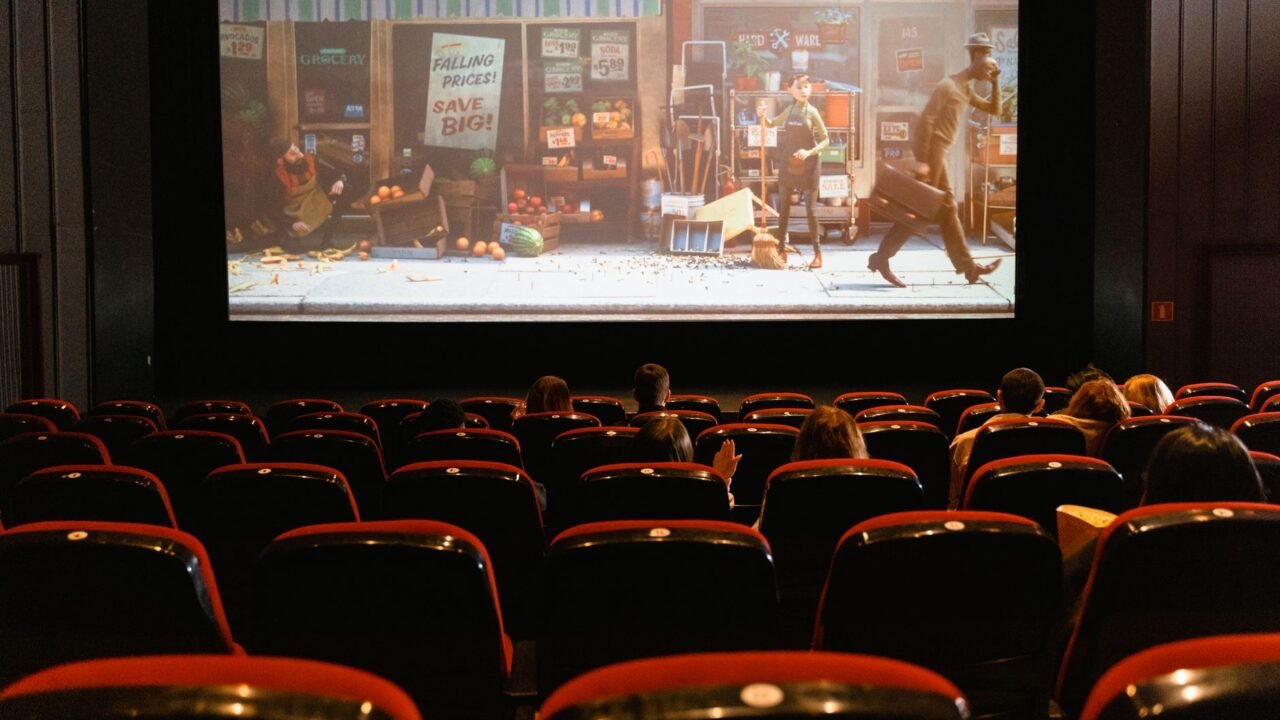
In an era dominated by sophisticated artificial intelligence and high-fidelity visual effects, a low-budget Chinese film has defied expectations by resonating deeply with a younger audience, becoming a surprise box office hit. “The Bull is Coming,” a movie characterized by its distinctly pixelated visuals and retro aesthetic, is being lauded by Chinese moviegoers for its perceived authenticity. This unconventional approach has propelled the film to cult classic status among Generation Z, demonstrating a growing appreciation for lo-fi production values.
The film’s success challenges the prevailing trend in the global film industry, which often prioritizes cutting-edge technology and visually stunning graphics. Instead, “The Bull is Coming” leans into its limitations, presenting a narrative and visual style that many viewers find refreshingly genuine. Information reaching Tahir Rihat suggests that the movie’s deliberate choice of low-resolution graphics has become its most significant selling point, differentiating it from the polished, often AI-generated content that saturates the market. This has sparked discussions about the evolving definition of cinematic quality and the emotional connection audiences can forge with films that prioritize substance over spectacle.
The narrative of “The Bull is Coming” has also been a key factor in its widespread appeal. While specific plot details are not extensively elaborated upon in the source material, the film’s ability to connect with audiences despite its visual shortcomings indicates a strong storytelling foundation. The movie’s creators appear to have successfully tapped into a sentiment among younger viewers who may be experiencing a form of digital fatigue, seeking out experiences that feel more handmade and less manufactured. This phenomenon is not unique to China, as similar trends have been observed in other markets where retro aesthetics and a return to simpler production methods have found favor.
The critical reception, as reported by The New York Times, highlights the film’s unexpected triumph. “The Bull is Coming” is not just a commercial success; it is actively being celebrated for its unique artistic choices. The pixelated graphics, which might typically be seen as a sign of a limited budget or technical deficiency, are instead being interpreted as a deliberate stylistic choice that enhances the film’s narrative and thematic elements. This reinterpretation of visual quality underscores a shift in audience perception, where intentionality and artistic vision can outweigh technical polish. The film’s ability to foster this kind of critical engagement is a testament to its impact.
The burgeoning popularity of “The Bull is Coming” among Gen Z is particularly noteworthy. This demographic, often associated with early adoption of new technologies and a deep immersion in digital culture, is showing a surprising affinity for a film that deliberately eschews modern visual sophistication. This suggests a complex relationship with technology, where an overabundance of digital perfection can lead to a yearning for the imperfect and the tangible. The film’s success could signal a broader cultural movement where authenticity and a connection to more traditional forms of media are increasingly valued. As per information available with Tahir Rihat, the film’s marketing and word-of-mouth promotion have likely played a crucial role in amplifying its appeal to this specific demographic.
The implications of “The Bull is Coming” extend beyond the realm of entertainment. It raises questions for filmmakers and studios about the future of visual storytelling and audience engagement. In an industry constantly chasing the next technological leap, this film proves that compelling narratives and a distinct artistic vision can still capture the public’s imagination, even with seemingly outdated technology. The financial success of the movie, achieved with a presumably modest budget, also presents an attractive model for independent filmmakers looking to make a mark without massive investment in visual effects. The buzz surrounding the film indicates that its influence may continue to grow, inspiring further exploration of unconventional cinematic approaches.
The film’s journey from a low-budget production to a cultural phenomenon is a compelling case study in the unpredictable nature of the entertainment industry. While the exact financial figures and box office performance metrics are not detailed in the provided source, the consistent reporting of its success and widespread acclaim points to a significant achievement. The narrative of “The Bull is Coming” serves as a reminder that innovation in filmmaking can come in many forms, and that audience appreciation is not solely dictated by the glossiness of the final product. The film’s ability to generate such strong positive sentiment and critical discussion is a powerful indicator of its impact on the contemporary cinematic landscape.
The ongoing conversation around “The Bull is Coming” suggests that its influence might extend to future productions. Filmmakers may be encouraged to experiment with different aesthetic approaches, recognizing that audiences are receptive to a wider range of visual styles. The film’s success story is likely to be studied and discussed within film schools and industry circles, offering valuable insights into audience psychology and the dynamics of cultural trends. The deliberate embrace of a less polished visual style has, in this instance, unlocked a deeper level of engagement and appreciation, proving that sometimes, less can indeed be more in the world of cinema.

Tahir Rihat (also known as Tahir Bilal) is an independent journalist, activist, and digital media professional from the Chenab Valley of Jammu and Kashmir, India. He is best known for his work as the Online Editor at The Chenab Times.





Leave a Reply