
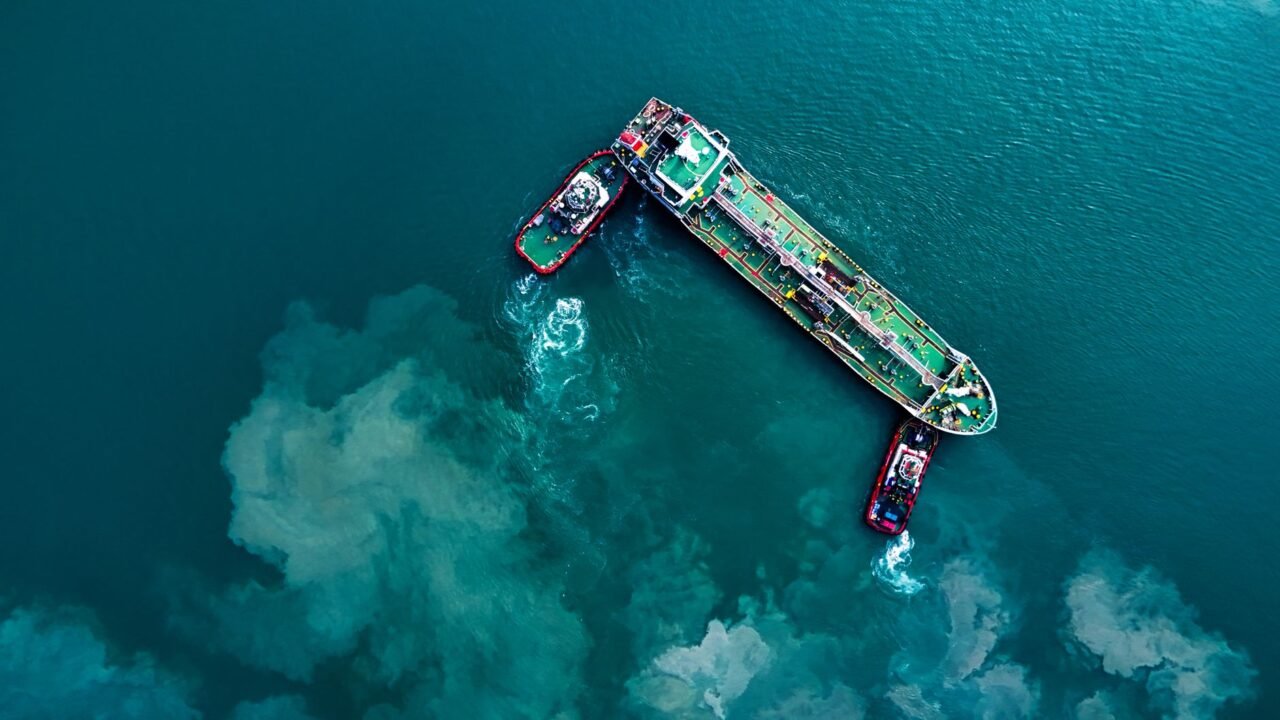
The Strait of Hormuz, a critical chokepoint for global oil shipments, is witnessing a significant increase in the volume of crude oil transiting its waters. This resurgence in maritime traffic carries substantial implications for Iran‘s strategic position and its capacity to leverage its influence during periods of heightened regional tension.
The renewed activity through the Strait of Hormuz, a waterway that separates Iran from Oman, is a key indicator of evolving geopolitical dynamics in the Middle East. As more oil tankers navigate this vital passage, the strategic calculus for nations reliant on these shipments, as well as for those seeking to exert influence over them, is being recalibrated. Information reaching Tahir Rihat suggests that the increased flow is not merely a statistical anomaly but a reflection of shifting market demands and potentially altered security perceptions among key players in the region.
The Strait of Hormuz is one of the world’s most important maritime arteries, through which an estimated 30% of the world’s seaborne oil passes daily. Any disruption to this flow has immediate and far-reaching consequences for global energy markets, impacting prices and supply chains worldwide. The current surge in traffic suggests a period of relative stability, or at least a willingness by major oil producers and consumers to navigate the waterway despite underlying geopolitical risks.
For Iran, the Strait of Hormuz represents a significant strategic asset. Tehran has, in the past, threatened to disrupt shipping through the strait as a means of exerting pressure on adversaries, particularly the United States and its allies. The increased volume of oil moving through the strait could, paradoxically, both enhance and diminish Iran’s leverage. On one hand, a greater volume of traffic means that any disruption would have a more pronounced global impact, potentially increasing the perceived threat value of such an action. On the other hand, a more robust and consistent flow might indicate a greater collective resolve by international powers to ensure the strait remains open, thereby limiting Iran’s ability to unilaterally dictate terms.
The context of this increased oil movement is crucial. It occurs against a backdrop of ongoing regional complexities, including the protracted conflict in Yemen and broader tensions involving Iran and its neighbors. The stability of oil flows through Hormuz is intrinsically linked to the broader security environment. As per information available with Tahir Rihat, the resilience of these shipments, even amidst existing conflicts, points to a complex interplay of economic necessity and diplomatic maneuvering.
The implications for Iran’s wartime leverage are multifaceted. If Iran perceives itself to be under significant threat, the ability to threaten the Strait of Hormuz remains a potent, albeit risky, option. However, the international community’s dependence on the strait’s open passage also means that any aggressive action by Iran would likely provoke a swift and severe response. The increased volume of oil traffic could be interpreted as a sign that the international community is more invested than ever in maintaining the free flow of energy, thereby raising the stakes for any attempt to disrupt it.
Furthermore, the dynamics of oil production and export from countries bordering the Persian Gulf are directly tied to the security of the Strait of Hormuz. Nations like Saudi Arabia, the United Arab Emirates, and Kuwait, which are major oil exporters, rely heavily on this waterway. Their ability to maintain and increase production, and thus their economic stability and regional influence, is contingent on unimpeded access to global markets via Hormuz.
The situation also raises questions about the role of other maritime powers and international organizations in ensuring freedom of navigation. Naval patrols and security arrangements in and around the Strait of Hormuz are designed to deter threats and maintain stability. The current surge in oil traffic may necessitate a reassessment of these security measures and a reinforcement of international cooperation to safeguard this critical global commons.
The economic consequences of any disruption to Hormuz traffic are substantial, affecting not only the immediate importing and exporting nations but also global financial markets and consumer economies. Therefore, the sustained flow of oil through the strait, while seemingly a positive development for global trade, also underscores the persistent vulnerability of the world’s energy supply to geopolitical events in the Middle East.
The increased transit of oil through the Strait of Hormuz is a development that warrants close observation. It signifies a complex interplay of economic imperatives, regional security concerns, and the strategic calculations of nations involved in the global energy trade. The extent to which Iran can or will leverage this situation, and the international community’s response, will be critical in shaping the future of energy security and regional stability in the Middle East.

Tahir Rihat (also known as Tahir Bilal) is an independent journalist, activist, and digital media professional from the Chenab Valley of Jammu and Kashmir, India. He is best known for his work as the Online Editor at The Chenab Times.

Leave a Reply