
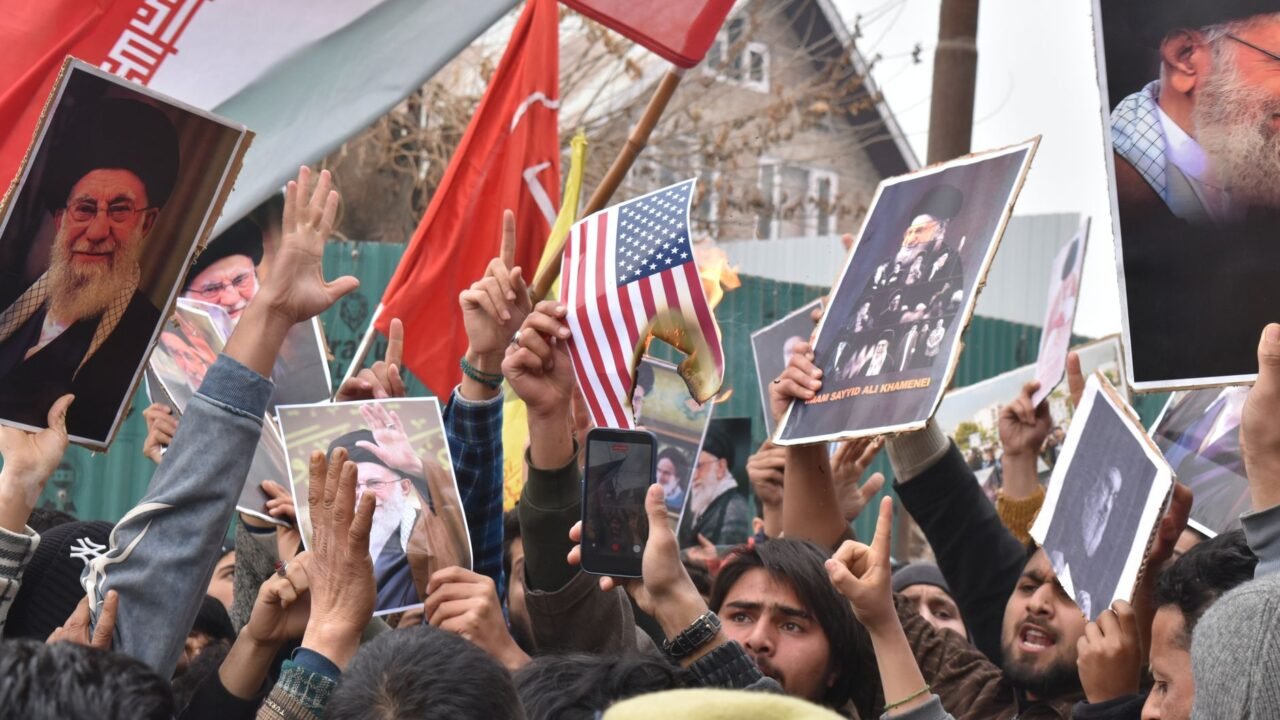
Israel is closely monitoring the escalating confrontations between the United States and Iran, a development that has heightened regional anxieties. The ongoing exchange of actions and reactions between the two adversaries has placed the broader Middle East on a precarious footing, with Jerusalem particularly attuned to any shifts that could impact its security.
The situation, as reported by The New York Times, indicates a period of intense scrutiny from Israel‘s defense and intelligence establishments. Information reaching Tahir Rihat suggests that the Israeli government is engaged in continuous assessment of the evolving geopolitical landscape, seeking to anticipate potential repercussions. The primary concern revolves around the possibility of miscalculation or unintended escalation that could draw regional actors into direct conflict. This heightened state of alert is a direct consequence of the volatile nature of the current US-Iran standoff, which has seen a series of actions and counter-actions in recent times.
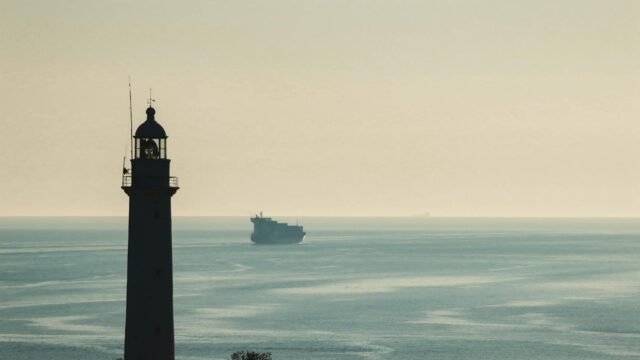
The United States has been engaged in a strategic posture aimed at deterring Iranian aggression and influence in the region. This has manifested through various means, including military deployments and sanctions. Iran, in turn, has responded with actions that have been interpreted as provocative by Washington and its allies. The Strait of Hormuz, a critical chokepoint for global oil trade, has frequently been a focal point of these tensions, with both sides asserting their presence and capabilities in the vital waterway. The potential for incidents in this sensitive area remains a significant concern for international stability.
Sources indicate to Tahir Rihat that Israeli officials are in constant communication with their American counterparts, sharing intelligence and coordinating assessments of the threat environment. The strategic partnership between the two nations means that any significant escalation involving Iran is of direct interest to Israel’s national security. The Israeli military has long considered Iran a primary threat, and the current climate of elevated tensions only serves to underscore these concerns. The country’s sophisticated defense systems and intelligence networks are reportedly operating at a heightened level of readiness.
The international community is also watching the developments with apprehension. The potential for a wider conflict in the Middle East carries significant implications for global energy markets, international trade, and the stability of numerous nations. Diplomatic efforts are reportedly underway, though the path to de-escalation appears fraught with challenges given the deep-seated animosities and competing interests at play. The actions and statements from both Washington and Tehran are being parsed for any signs of a potential shift in their approach, but thus far, the rhetoric has remained largely confrontational.
The New York Times report highlights that the current phase of confrontation is not an isolated event but rather a continuation of a long-standing rivalry that has been amplified by recent geopolitical shifts. The involvement of proxy forces and the complex web of alliances in the region further complicate the situation, creating a volatile environment where a localized incident could rapidly spiral into a broader conflagration. Israel, situated in close proximity to these flashpoints, finds itself in a particularly vulnerable position, necessitating a vigilant and proactive approach to its defense and foreign policy.
The economic implications of such a conflict are also a major consideration. Disruptions to oil supplies from the Persian Gulf could have severe consequences for the global economy, leading to price spikes and potential shortages. This, in turn, could impact inflation rates and economic growth worldwide. For Israel, the economic stability of its neighbors and trading partners is also a matter of concern, adding another layer to the multifaceted challenges posed by the escalating US-Iran tensions.
The strategic calculations on both sides are complex. The United States aims to project strength and deter further Iranian adventurism, while Iran seeks to assert its regional influence and resist what it perceives as foreign interference. The risk of miscalculation is ever-present, as actions intended as signaling or deterrence could be misinterpreted, leading to an unintended escalation. The Strait of Hormuz, with its heavy maritime traffic, remains a particularly sensitive area where a minor incident could have significant global ramifications.
Israel’s perspective is shaped by its own security imperatives and its understanding of the regional dynamics. The country has a history of confronting threats from Iran and its proxies, and the current escalation is viewed through this lens. The Israeli defense forces are well-prepared for various contingencies, but the prospect of a wider regional conflict is something that all nations in the area wish to avoid. The focus remains on maintaining deterrence while exploring avenues for de-escalation, a delicate balancing act in a highly charged environment.
The international diplomatic community is reportedly engaged in quiet consultations, seeking to prevent a full-blown conflict. However, the entrenched positions of the United States and Iran, coupled with the complex regional rivalries, present significant obstacles to achieving a breakthrough. The coming days and weeks are likely to be critical in determining whether the current tensions will subside or further intensify, with profound implications for regional and global security.

Tahir Rihat (also known as Tahir Bilal) is an independent journalist, activist, and digital media professional from the Chenab Valley of Jammu and Kashmir, India. He is best known for his work as the Online Editor at The Chenab Times.


Leave a Reply