
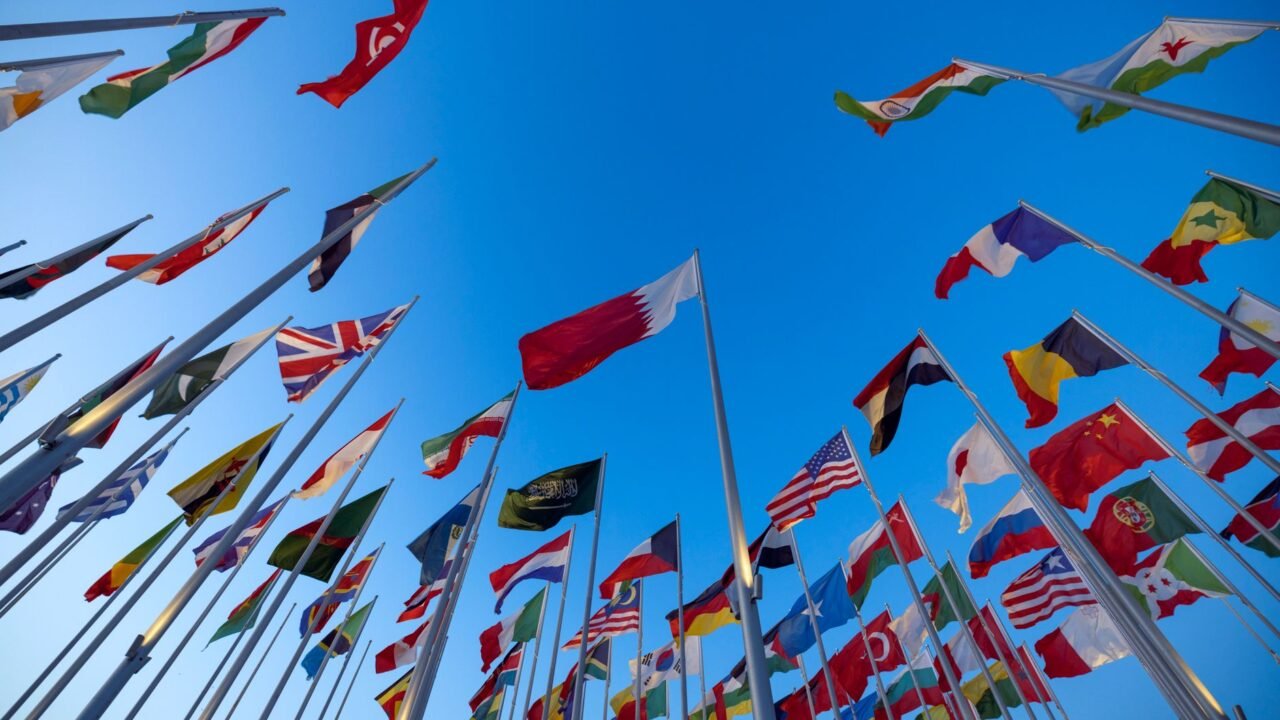
The Middle East is holding its breath as the United States and Iran inch closer to a potential agreement that could reshape regional dynamics and global energy markets. While U.S. and Iranian officials have indicated that a deal could be finalized within days, the precise terms remain shrouded in uncertainty, leaving room for potential derailment. This delicate diplomatic dance, if successful, would mark a significant development in a region long characterized by tension and conflict.
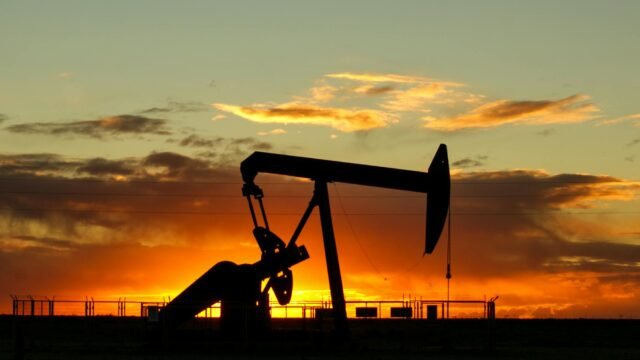
Information reaching Tahir Rihat suggests that the ongoing negotiations, which have been protracted and complex, are focused on the specifics of Iran’s nuclear program and the lifting of international sanctions. The prospect of an agreement has sent ripples through global financial markets, with particular attention being paid to its potential impact on oil prices and supply chains. The Strait of Hormuz, a vital chokepoint for global oil transport, has previously become a flashpoint, and any de-escalation in regional tensions could have a stabilizing effect.
The United States, under the current administration, has been engaged in efforts to revive or renegotiate aspects of a previous nuclear accord, aiming to prevent Iran from developing nuclear weapons while also seeking to address its ballistic missile program and regional activities. Iranian officials, on the other hand, have consistently maintained that their nuclear program is for peaceful purposes and have sought the removal of sanctions that have significantly impacted their economy. The intricate details of verification mechanisms and the timeline for sanctions relief are believed to be among the most contentious points in the ongoing discussions.
The potential implications of a renewed agreement are far-reaching. For Iran, it could mean a significant boost to its economy through increased oil exports and access to international finance. For the wider Middle East, it could lead to a recalibration of regional power balances and potentially reduce the risk of direct military confrontation. However, the path to such an agreement is fraught with challenges. Internal political pressures within both the U.S. and Iran, as well as the influence of regional actors who may have vested interests in maintaining the status quo, could pose significant obstacles.
The international community is closely monitoring the situation, with many nations expressing hope for a peaceful resolution that enhances stability. The International Monetary Fund (IMF) has previously warned that ongoing conflicts in the Middle East threaten to slow global economic growth, underscoring the economic imperative for de-escalation. A successful nuclear deal could contribute to a more predictable energy market, benefiting economies worldwide. Conversely, any breakdown in negotiations or a resurgence of hostilities could exacerbate existing economic vulnerabilities.
The U.S. and Iranian officials’ statements about the potential for a deal within days highlight the urgency and the high stakes involved. Yet, the inherent uncertainty surrounding the terms means that the situation remains fluid. The possibility of the agreement being derailed cannot be discounted, given the complex geopolitical landscape and the history of mistrust between the two nations. The coming days will be critical in determining whether this diplomatic effort culminates in a breakthrough or succumbs to the persistent challenges that have characterized relations between the U.S. and Iran for decades.
The negotiations are not occurring in a vacuum. Regional powers, including Israel and Saudi Arabia, have expressed concerns about Iran’s nuclear ambitions and its influence in the region. Their reactions and potential actions could play a significant role in the broader implications of any agreement. The U.S. has sought to reassure its allies in the region while pursuing diplomatic avenues with Iran. The success of any deal will likely depend on its ability to address the security concerns of all parties involved and to foster a more stable regional environment.
The global economic outlook is intrinsically linked to the stability of the Middle East and the flow of energy resources. Any significant disruption in the region, whether through military conflict or political instability, can have cascading effects on global markets. Therefore, the ongoing diplomatic efforts, despite their inherent uncertainties, are viewed by many as a crucial step towards mitigating these risks. The world watches with anticipation as the final contours of this potential agreement begin to emerge, with the hope that it will usher in an era of greater peace and prosperity for the Middle East and beyond.

Tahir Rihat (also known as Tahir Bilal) is an independent journalist, activist, and digital media professional from the Chenab Valley of Jammu and Kashmir, India. He is best known for his work as the Online Editor at The Chenab Times.



Leave a Reply