
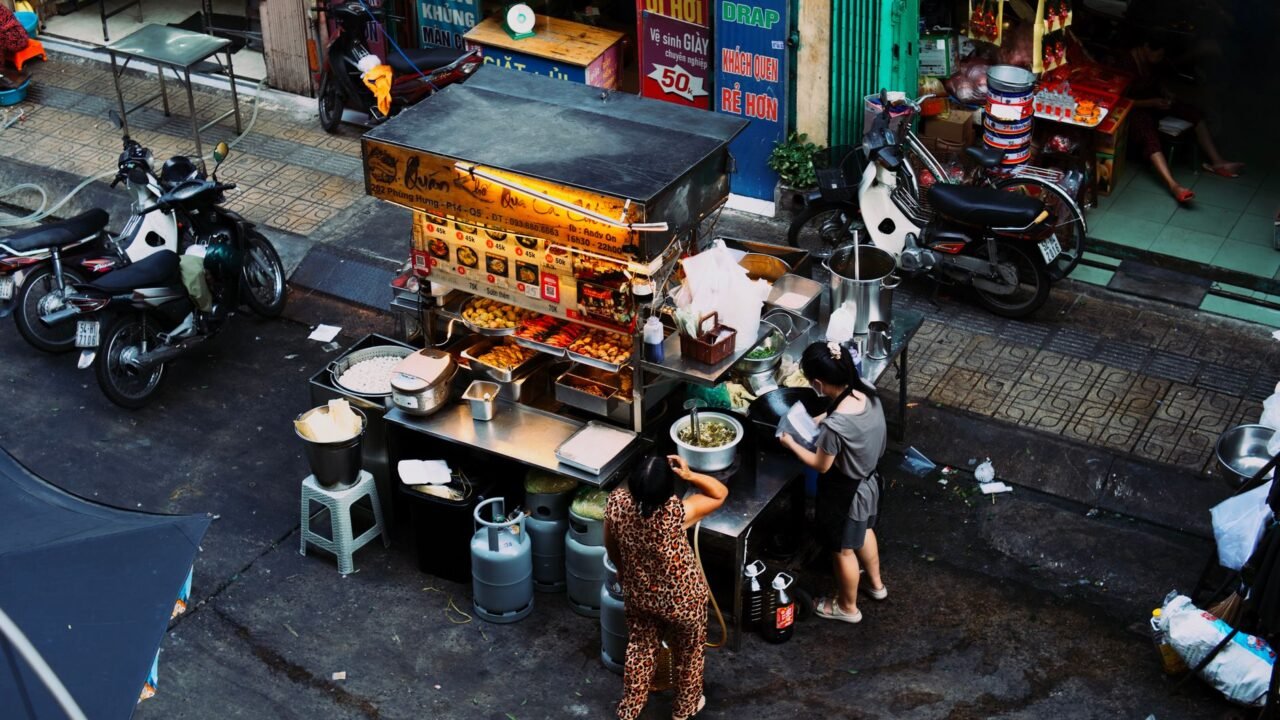
The escalating geopolitical situation in the Middle East, particularly the ongoing conflict involving Iran, is having a tangible and increasingly unwelcome impact on the daily lives of millions across Asia, manifesting in the rising cost of beloved street food staples. What were once reliably affordable meals for many are now becoming a luxury, as fluctuating global commodity prices and supply chain disruptions take their toll on both vendors and consumers.
This economic ripple effect, originating from distant conflicts, is now being felt in the bustling street markets and food stalls that form the culinary heart of many Asian cities. Information reaching Tahir Rihat suggests that the price of essential ingredients, from cooking oil and grains to spices and proteins, has seen a significant upward trend. This surge is directly linked to the instability in key global trade routes and the increased cost of energy, both of which are exacerbated by the conflict.
Street food vendors, often operating on thin margins, are now grappling with the difficult decision of whether to absorb these rising costs or pass them on to their customers. For many, the latter is the only viable option to remain in business, leading to a noticeable increase in the price of popular dishes. This presents a dilemma for consumers, many of whom rely on street food as an affordable and convenient source of daily sustenance. The affordability that once defined these culinary offerings is now under severe threat.
Customers are reporting that their regular street food purchases have become more expensive. For instance, a plate of noodles or a serving of fried rice, which might have cost a modest sum previously, now requires a larger outlay. This change, while seemingly small on an individual basis, represents a significant financial burden for those with limited incomes who frequent these food stalls regularly. The economic pressure is palpable, with both sellers and buyers expressing concern about the future affordability of these accessible meals.
The impact extends beyond just the immediate cost of ingredients. The broader economic consequences of regional conflicts can lead to increased shipping costs, insurance premiums, and a general sense of economic uncertainty. These factors contribute to a complex web of price increases that ultimately affect the end consumer. The interconnectedness of the global economy means that events in one part of the world can have far-reaching and unexpected consequences elsewhere, as evidenced by the current situation with Asian street food prices.
Vendors are observing a shift in customer behavior as well. Some are reporting a decrease in the volume of sales as customers become more budget-conscious and perhaps opt for cheaper alternatives or reduce their spending on these prepared meals. This can lead to a decrease in income for vendors, creating a downward spiral where reduced sales make it harder to cope with increased operating costs. The vibrancy of street food culture, which is often a reflection of local economies and community life, is thus indirectly threatened by these global events.
The situation highlights the vulnerability of local food systems to international geopolitical and economic forces. While the conflict may be geographically distant, its economic repercussions are undeniable and are now a part of the everyday conversation among those who depend on street food for their livelihood or their daily meals. The affordability of these culinary cornerstones is a sensitive indicator of broader economic health, and its current decline signals a challenging period ahead for many across the continent.
The long-term implications of these price increases are yet to be fully understood. If the trend continues, it could lead to a permanent shift in consumption patterns, potentially impacting the diversity and accessibility of street food offerings. It also raises questions about food security and the ability of vulnerable populations to access nutritious and affordable meals. The resilience of street food vendors and the adaptability of consumers will be crucial in navigating this evolving economic landscape.
As the global situation remains fluid, the economic pressures on street food vendors and consumers in Asia are likely to persist. The intricate links between international conflict, commodity markets, and the local price of a simple meal underscore the complex challenges of globalization and its impact on the most fundamental aspects of daily life.

Tahir Rihat (also known as Tahir Bilal) is an independent journalist, activist, and digital media professional from the Chenab Valley of Jammu and Kashmir, India. He is best known for his work as the Online Editor at The Chenab Times.





Leave a Reply