
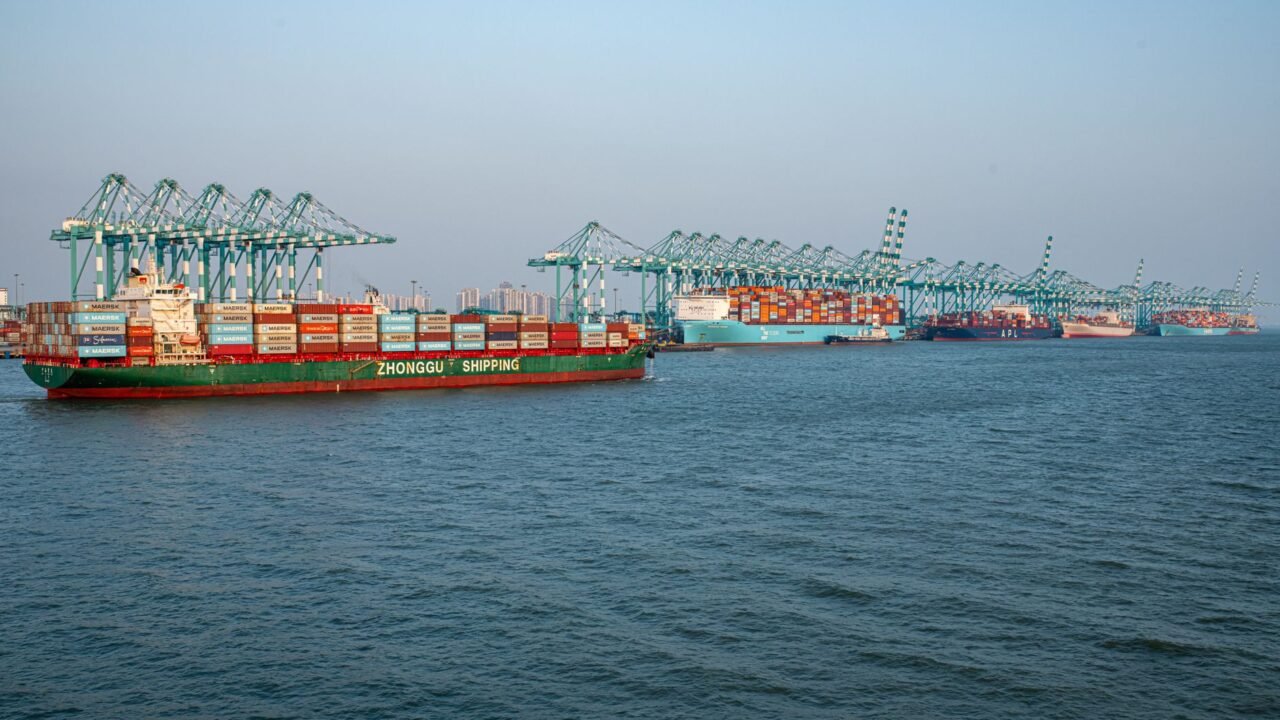
China’s export performance in the past month has reached its most robust pace in nearly a decade, signaling a significant upswing in its trade activity. This surge is placing the nation on a trajectory to achieve a record-breaking trade surplus, according to recent economic indicators. The robust growth in exports suggests a strong recovery in global demand for Chinese manufactured goods, a key driver of the country’s economic engine.
Information reaching Tahir Rihat suggests that the latest export figures represent a substantial acceleration compared to previous periods, outpacing many analysts’ expectations. This development is particularly noteworthy given the ongoing global economic uncertainties and supply chain challenges that have affected international trade flows. The sustained strength in exports is a critical factor in China‘s overall economic health, contributing to foreign exchange reserves and supporting domestic employment.
The impressive export figures are a testament to the resilience of China’s manufacturing sector and its ability to adapt to evolving market conditions. As the world’s second-largest economy, China’s trade performance has far-reaching implications for global markets. A widening trade surplus can influence currency valuations, international investment flows, and the competitive landscape for industries worldwide. The sustained demand for Chinese products indicates a continued reliance on its manufacturing capabilities by consumers and businesses across various continents.
Analysts are closely monitoring the sustainability of this export boom, considering factors such as geopolitical tensions, trade policies of major economies, and the potential for shifts in global consumption patterns. The ability of Chinese exporters to maintain this momentum will be crucial in determining the long-term impact on both the Chinese economy and the broader international trade environment. The sheer volume of goods being shipped out of China underscores its pivotal role in global supply chains and its enduring influence on international commerce.
The growth in exports is not merely a quantitative increase but also reflects the diversification and sophistication of China’s export basket. While traditional goods continue to be a significant component, there has been a notable rise in the export of higher-value products, including electronics, machinery, and advanced technological components. This shift indicates a move up the value chain, enhancing China’s competitive edge in the global marketplace and contributing to a more substantial surplus per unit of export value.
The implications of a record trade surplus extend beyond simple economic metrics. It can provide China with greater financial flexibility, enabling increased investment in domestic infrastructure, technological innovation, and strategic global initiatives. Furthermore, a strong trade surplus can bolster the nation’s geopolitical influence, as it demonstrates economic strength and stability in a volatile global landscape. The accumulation of foreign reserves through consistent trade surpluses also provides a buffer against external economic shocks and supports the internationalization of its currency.
However, a persistently large trade surplus can also attract scrutiny and potential trade friction from partner countries concerned about trade imbalances. Managing these relationships and addressing concerns about market access and fair competition will be a key challenge for Chinese policymakers. The global economic order is increasingly shaped by trade dynamics, and China’s dominant position in exports places it at the center of these complex negotiations and interactions.
The recent performance also highlights the effectiveness of China’s industrial policies and its strategic investments in manufacturing capacity and technological advancement. The government’s long-term vision for industrial development appears to be yielding significant returns, positioning China as a formidable player in global trade for the foreseeable future. The continuous drive for innovation and efficiency within its manufacturing base is a critical factor underpinning this sustained export success.
Looking ahead, the global economic outlook remains a significant variable. Fluctuations in consumer spending, inflation rates, and monetary policy decisions in major economies could all influence the demand for Chinese exports. Nevertheless, the current trajectory suggests that China is well-positioned to capitalize on any available global market opportunities, further solidifying its status as a global trade powerhouse. The ability to navigate these external factors will be crucial for maintaining the current export momentum and achieving the projected record trade surplus.
The intricate web of global commerce means that China’s export performance is not an isolated event but a reflection of interconnected economic forces. The demand for its goods is driven by consumption patterns in North America, Europe, Asia, and beyond. Therefore, any shifts in economic conditions in these regions will inevitably have a ripple effect on Chinese export volumes. The current strength indicates a robust global appetite for goods manufactured in China, a trend that has been amplified by recent economic recoveries in various parts of the world.
The sustained growth in exports also plays a crucial role in China’s domestic economic strategy. It supports job creation, stimulates investment in related industries, and contributes to overall economic stability. The revenue generated from exports provides a vital source of capital for further development and technological upgrading, creating a virtuous cycle of economic growth. The government’s focus on maintaining export competitiveness, coupled with its efforts to boost domestic consumption, aims to create a more balanced and sustainable economic model.
The record trade surplus, if realized, will have significant implications for international financial markets. It could lead to an appreciation of the Chinese yuan, making Chinese exports more expensive but also increasing the purchasing power of Chinese consumers and businesses in international markets. This rebalancing effect is often a desired outcome of large trade surpluses, as it can help to mitigate global trade imbalances over the long term. The management of currency exchange rates will be a key aspect of China’s economic policy in response to these developments.
Furthermore, the technological advancements embedded in China’s exported goods are increasingly becoming a focal point. As China moves beyond basic manufacturing, its exports of sophisticated electronics, telecommunications equipment, and renewable energy technologies are gaining prominence. This shift not only enhances the value of its exports but also positions China as a leader in key future industries, influencing global technological standards and supply chains. The emphasis on innovation and research and development is clearly translating into a more competitive and valuable export offering.
The current export surge is a dynamic indicator of China’s evolving role in the global economy. It underscores the nation’s manufacturing prowess and its deep integration into international trade networks. As the world navigates a complex economic landscape, China’s export performance will continue to be a closely watched barometer of global economic health and a significant factor in shaping international economic relations. The sustained strength in exports suggests a powerful underlying economic momentum that is likely to influence global trade patterns for the foreseeable future.

Tahir Rihat (also known as Tahir Bilal) is an independent journalist, activist, and digital media professional from the Chenab Valley of Jammu and Kashmir, India. He is best known for his work as the Online Editor at The Chenab Times.






Leave a Reply