
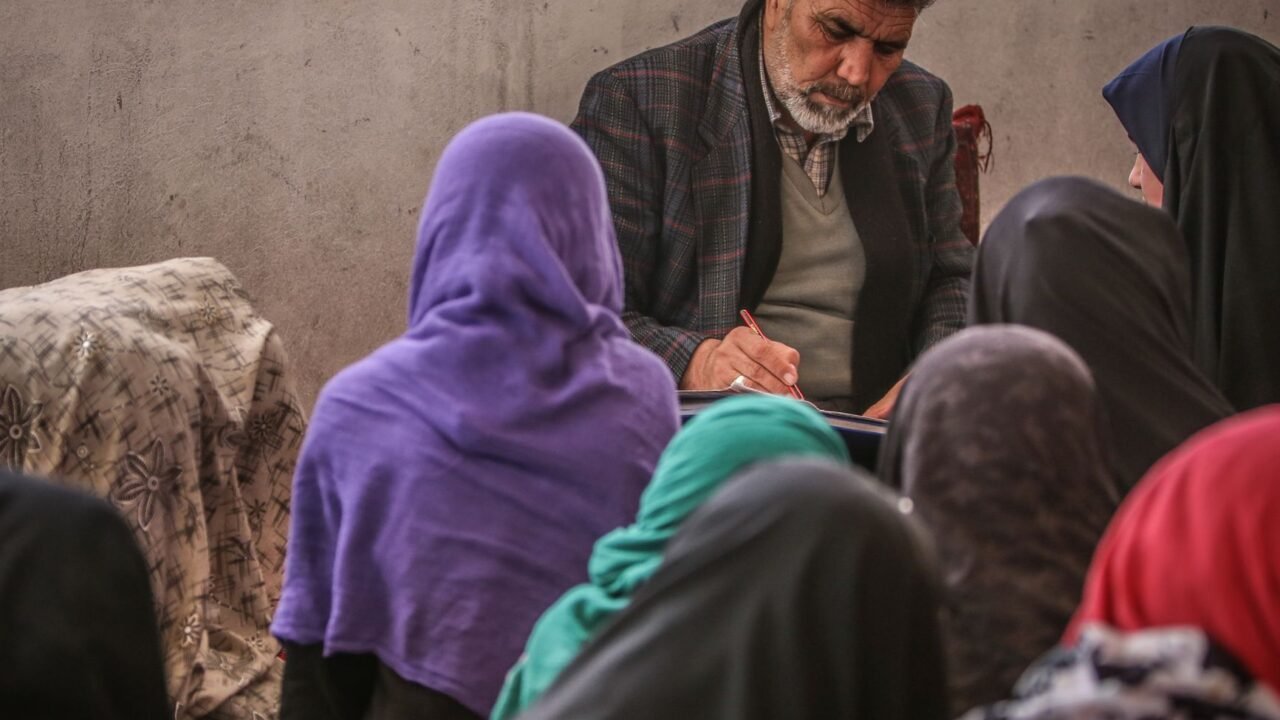
In the shadow of stringent Taliban regulations that have curtailed educational and employment opportunities, a growing number of Afghan women are turning to entrepreneurship as a vital avenue for financial independence and social engagement. With access to secondary education largely denied and most formal job sectors closed off, these women are demonstrating remarkable resilience by establishing their own businesses, carving out spaces for economic activity and personal fulfillment.
The landscape for women in Afghanistan has dramatically shifted since the Taliban’s return to power. Restrictions have systematically rolled back years of progress, impacting nearly every facet of public and private life. For women, this has meant a significant reduction in their ability to earn a living and participate in the broader social fabric. As formal employment options dwindle, the entrepreneurial spirit has become a crucial lifeline. Information reaching Tahir Rihat suggests that thousands of women are now engaged in various small-scale ventures, ranging from online businesses to home-based crafts and services. These endeavors not only provide a much-needed income but also offer a sense of purpose and a platform for connection in an increasingly isolated environment.
The challenges faced by these women entrepreneurs are manifold. Beyond the inherent difficulties of starting and sustaining a business, they must navigate a complex and often unpredictable regulatory environment, coupled with societal expectations and limited access to resources such as capital, training, and markets. Yet, their determination is palpable. Many are leveraging digital platforms to reach customers, selling handmade goods, offering online tutoring, or providing specialized services. These digital storefronts transcend physical limitations and offer a degree of anonymity that can be crucial in the current climate.
The economic impact of these women-led businesses, though often small in individual scale, collectively contributes to household incomes and local economies. They are not merely surviving; they are actively creating value and demonstrating economic agency. The resilience shown by these entrepreneurs is a testament to their ingenuity and their refusal to be entirely sidelined by the prevailing circumstances. As per information available with Tahir Rihat, the types of businesses vary widely, reflecting the diverse skills and interests of the women involved. Some focus on traditional crafts, preserving cultural heritage while generating income, while others are venturing into more modern service-based industries.
The social dimension of these entrepreneurial pursuits is equally significant. In a society where women’s public interactions are increasingly restricted, these businesses provide a framework for collaboration, networking, and mutual support. Women are finding solidarity in shared challenges and successes, forming informal networks that offer encouragement and practical advice. This sense of community is invaluable in combating the isolation that many women experience under the current regime. The ability to connect with other women, share experiences, and collectively problem-solve is a powerful force for maintaining morale and fostering continued innovation.
However, the sustainability of these ventures remains a critical concern. Without broader economic recovery and a more conducive policy environment, the long-term viability of these businesses is precarious. Access to finance is a major hurdle, as traditional banking channels may be inaccessible or unwilling to lend to women-led enterprises. Furthermore, the ongoing restrictions on movement and access to markets can severely limit growth potential. The international community and local organizations are exploring ways to support these women, but the scale of the need is immense.
The narrative of Afghan women entrepreneurs is one of quiet defiance and profound strength. It highlights their capacity to adapt and innovate in the face of adversity, transforming limitations into opportunities. Their businesses are not just economic engines; they are symbols of hope and perseverance, representing a vital thread in the social and economic tapestry of Afghanistan. The continued success and expansion of these ventures will depend on a complex interplay of factors, including evolving government policies, access to resources, and the unwavering spirit of the women themselves.
The current situation underscores the critical role of entrepreneurship as a pathway for women to reclaim agency and contribute meaningfully to society when other avenues are blocked. The stories emerging from Afghanistan are a stark reminder of the human cost of restrictive policies and the extraordinary resilience of individuals determined to build a better future for themselves and their families, even under the most challenging circumstances. The ingenuity and determination displayed by these women entrepreneurs offer a glimpse into a future where their contributions are recognized and supported, fostering a more inclusive and prosperous Afghanistan.

Tahir Rihat (also known as Tahir Bilal) is an independent journalist, activist, and digital media professional from the Chenab Valley of Jammu and Kashmir, India. He is best known for his work as the Online Editor at The Chenab Times.





Leave a Reply