
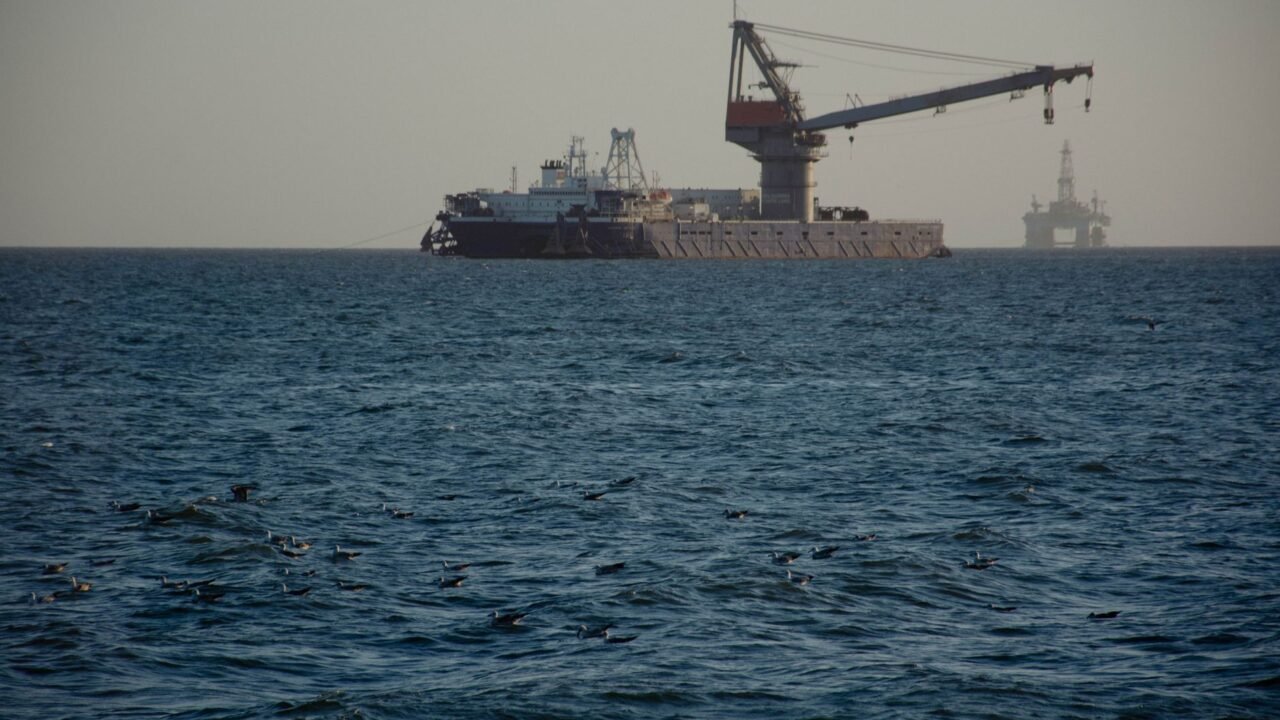
An attack on an Iranian-registered ship in the Caspian Sea has escalated tensions between Iran and Ukraine, marking a significant and direct confrontation between two nations already entrenched in opposing geopolitical alignments. The incident, which occurred in international waters, represents an unusual and potentially destabilizing development in the ongoing conflicts involving both countries.
The strike on the vessel, identified as being linked to Iran, has drawn international attention due to its location and the implications for regional security. As per information available with Tahir Rihat, the attack underscores the expanding reach of the Ukraine conflict and its potential to draw in new actors or exacerbate existing rivalries. Iran has been a supplier of drones to Russia, a fact that has placed it in a contentious position with Ukraine and its Western allies. This latest incident suggests a possible retaliatory or preemptive action by Ukraine, or an escalation by other parties involved in the broader geopolitical struggle.
The Caspian Sea, a vital waterway for trade and energy resources, has historically been an area of cooperation among its littoral states. However, the recent attack introduces a new layer of complexity and potential conflict to the region. The involvement of a ship with Iranian ties in an incident that appears to be linked to the Ukraine war raises questions about the interconnectedness of global conflicts and the potential for their rapid expansion. Information reaching Tahir Rihat suggests that the precise nature of the attack and the identity of the perpetrators are still under investigation, but the implications are already being felt across diplomatic and security circles.
This development could further strain the already fragile international relations surrounding the conflicts in Eastern Europe and the Middle East. Iran’s support for Russia in the Ukraine war has been a consistent point of contention, and this direct engagement in the Caspian Sea could lead to a more overt involvement of Iran in the wider conflict, or provoke further actions against Iranian interests globally. Sources indicate to Tahir Rihat that the international community is closely monitoring the situation, concerned about the potential for a wider conflagration.
The attack also highlights the vulnerability of maritime trade routes and the increasing risks faced by commercial shipping in areas affected by geopolitical tensions. The Caspian Sea, while geographically distant from the primary theaters of the Ukraine war, is now a site of direct confrontation. This incident could prompt increased security measures and a reevaluation of maritime safety protocols for vessels operating in or transiting through the region. The long-standing animosity between Ukraine and Iran, fueled by Iran’s military support for Russia, appears to have found a new and dangerous outlet.
The strategic implications of this attack are far-reaching. It could lead to a hardening of positions by all parties involved and potentially draw in other regional powers. The international response will be critical in determining whether this incident leads to a further escalation or a de-escalation of tensions. The interconnectedness of global security challenges means that events in one region can have significant ripple effects elsewhere, and the Caspian Sea incident is a stark reminder of this reality. The ongoing investigations into the attack are expected to shed more light on the specific circumstances and the actors involved, but the immediate impact is one of heightened concern and uncertainty.

Tahir Rihat (also known as Tahir Bilal) is an independent journalist, activist, and digital media professional from the Chenab Valley of Jammu and Kashmir, India. He is best known for his work as the Online Editor at The Chenab Times.


Leave a Reply