
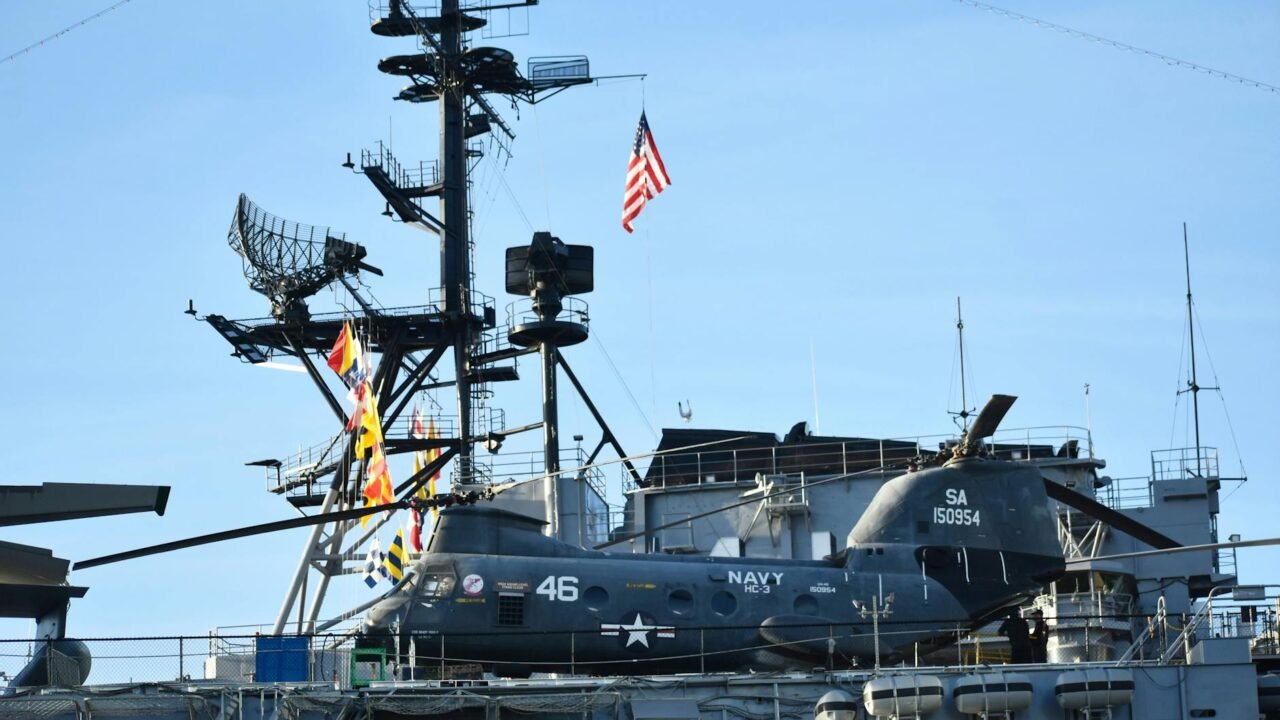
The Strait of Hormuz is experiencing an unprecedented level of maritime security as the United States Navy has reportedly established a full blockade on Iranian coastal waters. According to reports, a significant deployment of U.S. naval assets is now actively intercepting and inspecting vessels either entering or departing Iranian ports. The move is poised to have significant repercussions for the Iranian economy and its ability to conduct maritime trade.
The deployment consists of more than a dozen warships from the U.S. Navy, effectively creating a maritime barrier intended to regulate the flow of traffic in and out of Iranian waters. Information reaching TahirRihat.com suggests that the blockade is comprehensive, affecting all vessels regardless of their origin or destination, marking a notable escalation in U.S. maritime strategy.
The implications of this blockade extend beyond mere trade disruptions. It introduces a new layer of complexity to the geopolitical dynamics of the region. The increased military presence could lead to heightened tensions and potential confrontations. The enforcement of the blockade on all vessels, as reported, signals a firm stance and could lead to diplomatic clashes with nations that have trade relations with Iran.
The economic ramifications within Iran are anticipated to be considerable. With maritime trade being a vital component of its economy, the blockade may severely restrict Iran’s access to international markets and essential goods. The impact could lead to shortages, price increases, and further economic instability within the country.
The international community is closely observing the situation. Major global powers are weighing the potential consequences of the U.S. blockade on international trade routes and maritime law. The restrictions in the Strait of Hormuz could disrupt global shipping lanes and affect energy supplies, considering its vital role in global oil transportation.
The long-term effects of this naval blockade remain uncertain, but its immediate impact is undeniable. The measure is likely to exacerbate existing tensions between the U.S. and Iran, posing significant challenges to regional stability and international diplomacy. Observers are concerned about the potential for miscalculations or escalatory incidents.
The U.S. Navy has yet to release an official statement detailing the duration or specific objectives of the blockade. However, it’s clear that the U.S. is taking decisive measures to exert pressure on Iran. The maritime blockade is a significant development that demands careful consideration by all stakeholders. The situation’s fluidity requires continuous monitoring to prevent unforeseen consequences in the region.
The coming days will be critical in determining the effectiveness and broader impact of this strategic maritime operation. Global markets and political strategists are keenly watching the response from Iran and the international community, as this situation unfolds. The enforcement of the blockade, as it unfolds, is not just a regional matter but a development with potentially far-reaching global effects.

Tahir Rihat (also known as Tahir Bilal) is an independent journalist, activist, and digital media professional from the Chenab Valley of Jammu and Kashmir, India. He is best known for his work as the Online Editor at The Chenab Times.




Leave a Reply