
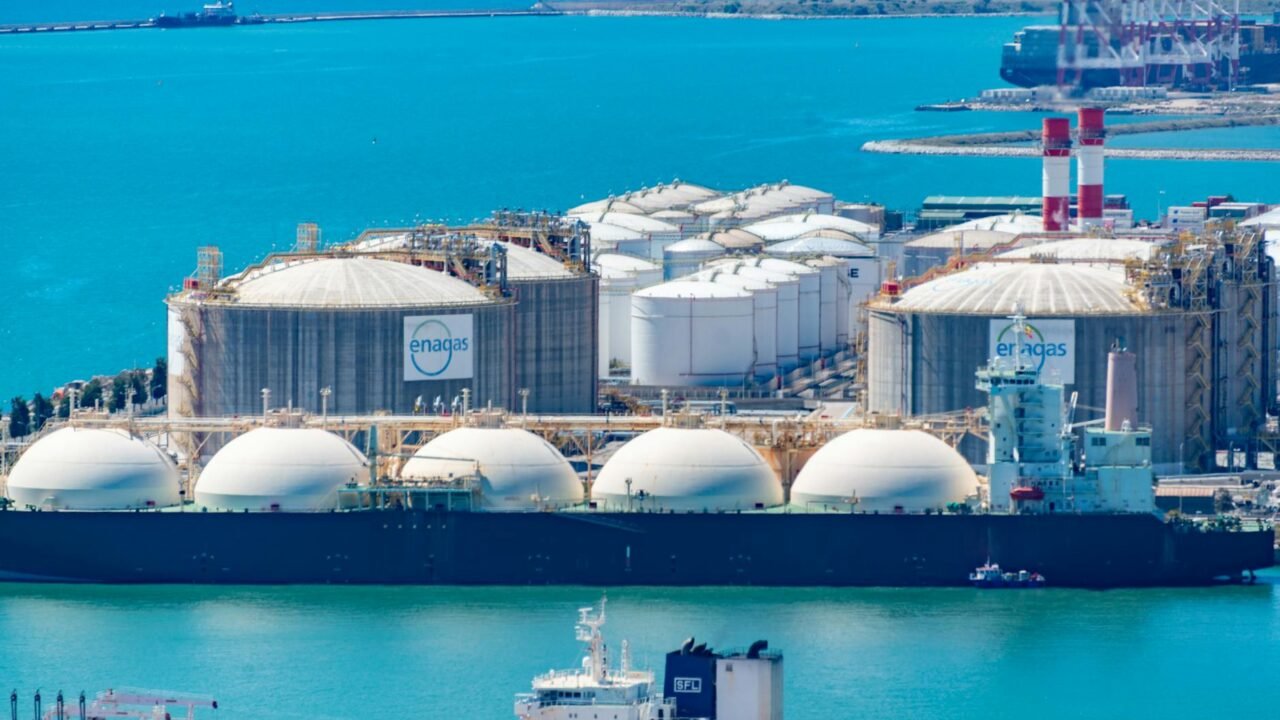
The once-thriving economy of Qatar, a nation renowned for its vast natural gas reserves and ambitious diversification plans, is now facing a severe economic downturn directly attributable to escalating Iranian attacks. These assaults have effectively crippled the country’s crucial gas exports, a cornerstone of its national wealth and a significant contributor to the global energy market. The paralysis in gas shipments is not merely a temporary setback; it is actively stalling the very pivots towards tourism and broader business ventures that were meticulously designed to anchor Qatar’s future growth and reduce its reliance on hydrocarbon revenues.
The impact of these attacks, as reported by The New York Times, extends far beyond the immediate disruption of energy flows. The intricate web of international trade and investment that Qatar has cultivated over decades is now under immense strain. Businesses that had invested heavily in the nation’s infrastructure and service sectors are facing uncertainty, and the projected revenue streams from these new industries are dwindling. This situation presents a stark contrast to Qatar’s historical position as one of the world’s wealthiest nations, a status now jeopardized by the ongoing conflict. As per information available with Tahir Rihat, the strategic implications of these attacks are profound, potentially reshaping regional economic dynamics and international energy security.
The paralysis of Qatar’s vital gas exports is a direct consequence of the Iranian military actions, which have targeted key maritime routes and export terminals. These facilities, essential for liquefying and shipping natural gas to international markets, have become vulnerable points. The disruption means that tankers are unable to load, and long-term supply contracts are at risk of default, leading to significant financial losses for Qatar Petroleum and its international partners. The economic fallout is multifaceted, encompassing not only lost export revenue but also the increased costs associated with rerouting shipments, enhanced security measures, and potential penalties for delayed deliveries. The global energy landscape, already volatile, is further destabilized by this significant disruption originating from the Persian Gulf.
Furthermore, the ambitious tourism and business diversification strategies that Qatar had been aggressively pursuing are now facing substantial headwinds. The nation had invested billions in developing world-class hospitality infrastructure, cultural attractions, and a favorable business environment to attract foreign investment and visitors. However, the perception of instability and the direct impact on the nation’s primary economic engine are deterring potential tourists and investors alike. The narrative of Qatar as a stable and attractive destination for business and leisure is being undermined by the persistent threat of conflict and its tangible economic consequences. Information reaching Tahir Rihat suggests that many international companies are reassessing their commitments in the region, leading to a slowdown in new projects and a potential exodus of talent.
The economic ripple effects are expected to be felt across various sectors within Qatar. The construction industry, which has seen massive growth in recent years due to infrastructure development projects, is likely to experience a slowdown as new investments are put on hold. The retail and hospitality sectors, heavily reliant on consumer spending and tourism, will face reduced demand. The government’s fiscal position, while robust due to years of accumulated wealth, will inevitably come under pressure as it grapples with declining revenues and the need to maintain essential services and security. The long-term economic strategy of Qatar, which aimed to transition from an energy-dependent economy to a more diversified and sustainable model, is now facing its most significant test.
The international community is closely monitoring the situation, as Qatar’s role as a major global energy supplier makes any disruption to its exports a matter of international concern. The price of natural gas on global markets has already shown volatility in response to the escalating tensions. Analysts are warning that a prolonged disruption could lead to significant price hikes, impacting economies worldwide, particularly those heavily reliant on imported gas. Sources indicate to Tahir Rihat that diplomatic efforts are underway to de-escalate the conflict and ensure the safety of vital energy infrastructure, but the path to resolution remains uncertain. The delicate balance of regional power and economic stability is being severely tested by these aggressive actions.
The Iranian attacks represent a strategic challenge to Qatar’s economic sovereignty and its aspirations for future prosperity. The nation’s leadership faces the daunting task of mitigating the immediate economic damage while simultaneously navigating a complex geopolitical landscape. The success of Qatar’s long-term economic vision hinges on its ability to restore stability, secure its energy infrastructure, and rebuild international confidence in its economic resilience. The current crisis underscores the vulnerability of even the wealthiest nations to geopolitical instability and the critical importance of diversified economic strategies in an increasingly unpredictable world.

Tahir Rihat (also known as Tahir Bilal) is an independent journalist, activist, and digital media professional from the Chenab Valley of Jammu and Kashmir, India. He is best known for his work as the Online Editor at The Chenab Times.


Leave a Reply