
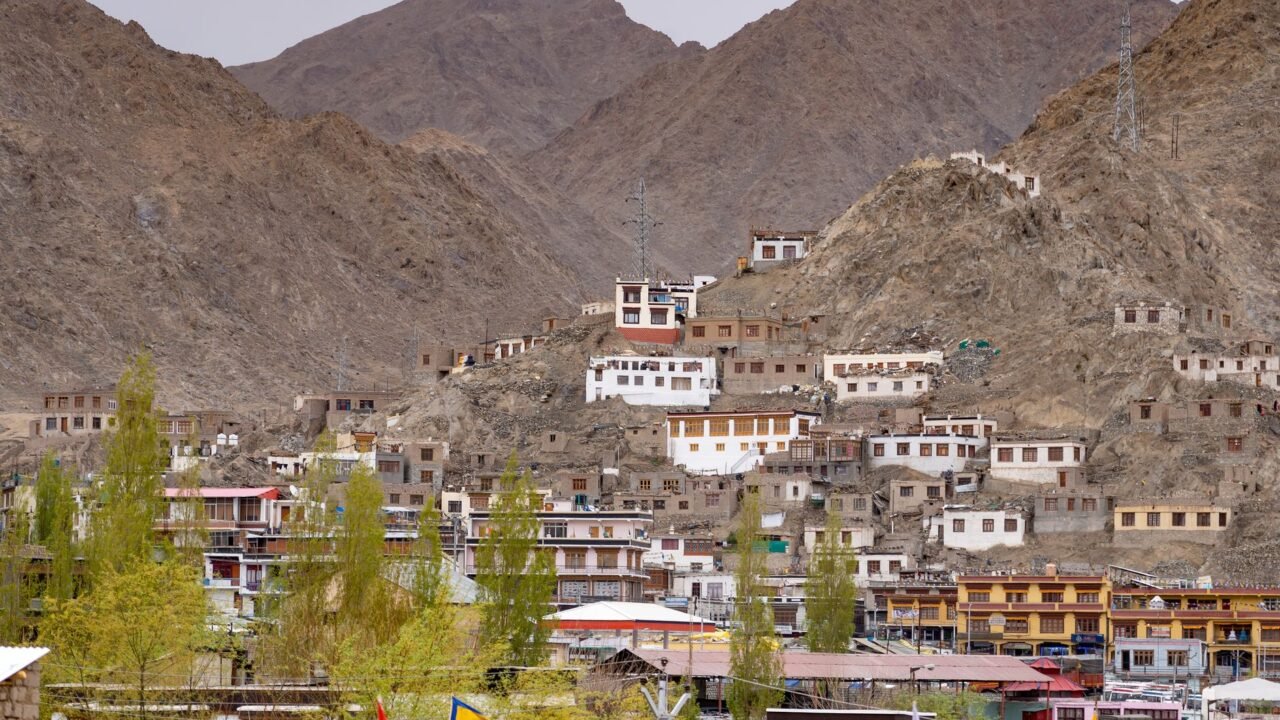
The central government has enacted a significant regulation to overhaul the structural and electoral framework of the Autonomous Hill Development Councils in Ladakh. This move aims to align the governance of these councils with the provisions established by the Jammu and Kashmir Reorganisation Act, 2019, which paved the way for the creation of Ladakh as a distinct Union territory. The Ladakh Autonomous Hill Development Councils (Amendment) Regulation introduces revised legal terminology, administrative structures, and electoral processes designed to modernize the functioning of these crucial local governance bodies.
Information reaching Tahir Rihat suggests that under the new regulation, the number of elected seats within each Hill Development Council will be determined by the Ladakh administration. This determination will adhere to a minimum threshold of seven seats and a maximum ceiling of twenty-four seats, providing flexibility based on local population dynamics and administrative requirements. Furthermore, the administration is empowered to nominate up to four members to these councils. These nominated members are intended to represent women and unrepresented communities, with the stipulation that their numbers must not exceed one-sixth of the council’s total population, ensuring a balanced representation.
A notable inclusion in the revised structure is the provision for the sitting Lok Sabha Member of Parliament representing Ladakh to serve as an ex-officio member of the councils established for each district. This integration of parliamentary representation is expected to foster a closer link between local governance and national legislative bodies. The regulation also clearly defines the term of each council, setting it at five years from the date of its first meeting, unless dissolved earlier. In circumstances where holding elections is deemed impracticable, the term of the council may be extended, providing a mechanism for continuity in governance.
The amendment also involves a critical update in terminology, replacing references to ‘State’ and ‘Governor’ with ‘Union territory of Ladakh’ and ‘Administrator’ respectively, reflecting the current administrative status of the region. The State Election Commission for the Union territory of Ladakh has been vested with the superintendence, direction, and control over council elections and the preparation of electoral rolls. This centralization of electoral authority is intended to ensure uniformity and fairness in the election process across the Union territory.
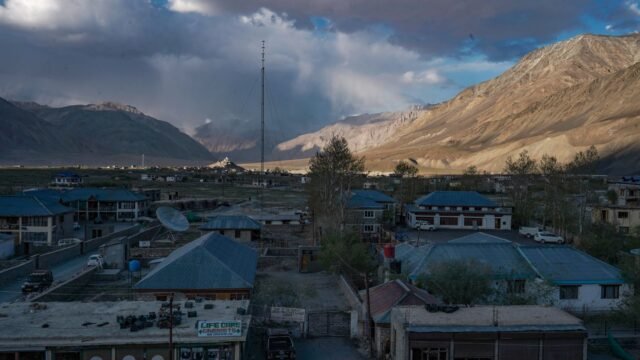
For the resolution of election disputes, the regulation establishes a direct channel to the High Court of Jammu and Kashmir and Ladakh. Election petitions must be filed within a period of 45 days from the declaration of the results, streamlining the process for challenging election outcomes. The regulation further defines the geographical scope of ‘district’ areas under the act to encompass Leh, Sham, Nubra, Changthang, Kargil, Zanskar, and Drass, along with any districts that may be created in the future. This comprehensive definition ensures that the councils’ jurisdiction is clearly demarcated and adaptable to evolving administrative boundaries.
A significant aspect of the revised framework is the empowerment of these councils, granting them the powers equivalent to those of a panchayat at the district level. They will be officially recognized as district-level panchayats for the purpose of exercising powers and performing functions as outlined in the Jammu and Kashmir Panchayati Raj Act, 1989. This elevation in status and powers signifies a move towards strengthening local self-governance in Ladakh, enabling the councils to play a more robust role in the development and administration of their respective districts. The restructuring is anticipated to enhance the efficiency and responsiveness of local governance in the Union territory, ensuring that development initiatives are better aligned with the specific needs and aspirations of the Ladakhi people.

Tahir Rihat (also known as Tahir Bilal) is an independent journalist, activist, and digital media professional from the Chenab Valley of Jammu and Kashmir, India. He is best known for his work as the Online Editor at The Chenab Times.
Leave a Reply