
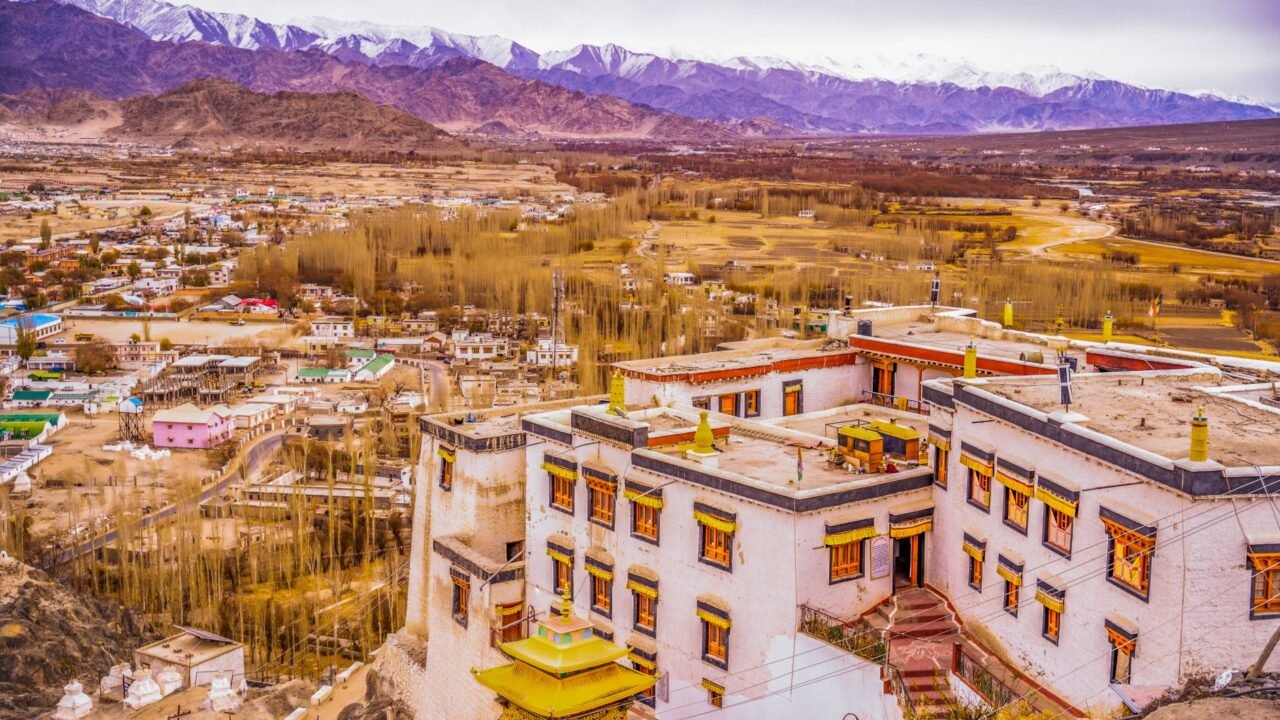
The Ladakh administration has voiced its disappointment regarding the swift rejection of a draft proposal by the Union Ministry of Home Affairs (MHA) by local leaders, stating that the document was dismissed within two hours of its receipt. Chief Secretary Ashish Kundra expressed surprise at the rapid dismissal, noting that the leaders alleged nothing substantial had been offered in the proposal. This comes a day after two prominent bodies representing Ladakh, the Leh Apex Body (LAB) and the Kargil Democratic Alliance (KDA), publicly rejected the draft, claiming the Centre had reneged on prior commitments made during earlier discussions.
Information reaching Tahir Rihat suggests that Chief Secretary Kundra addressed a press conference in Leh on Saturday to elaborate on the administration’s perspective. He conveyed that the ongoing dialogue process has encountered a significant roadblock, primarily concerning two key issues. One of these contentious points, according to Kundra, is the question of who will be responsible for writing the Annual Confidential Report (ACR) of the Chief Secretary. The administration, as stated by Kundra, has indicated that this matter would be addressed within the framework of the Transaction of Business Rules.
Chief Secretary Kundra reiterated the Indian government’s steadfast commitment to finding an expeditious political resolution and to the establishment of a democratically elected body that would effectively address the aspirations of the people of Ladakh. He appealed to the leaders, both publicly and through personal communication with some of them, emphasizing that successful negotiations necessitate fundamental elements such as mutual trust and, crucially, patience. Kundra characterized the legislative process as complex, stating, “This is not a school essay. This is a Bill to amend the Constitution, and the legislation is being made by that person.” He underscored that efforts are actively underway to ensure that the long-standing aspirations of the Ladakhi populace are met as soon as possible, reinforcing the Centre’s dedication to the ongoing dialogue.
A recent round of discussions between Ladakh’s representatives and MHA officials took place in Leh on Thursday. However, the subsequent rejection of the MHA’s draft proposal by the Leh Apex Body (LAB) and the Kargil Democratic Alliance (KDA) on Friday marked a setback for the peace process. The leaders alleged that the MHA had backtracked on assurances previously given during a meeting held in May. Asgar Ali Karbalai, a co-chairman of the KDA, informed reporters in Leh that the Home Ministry had indeed deviated from the understandings reached during the May talks, leading to the current impasse.
The MHA’s draft proposal was presented following a series of consultations aimed at addressing the political and administrative demands of the Union Territory of Ladakh, which was carved out of Jammu and Kashmir in August 2019. The formation of Ladakh as a separate Union Territory with a legislature was a long-standing demand of the region’s people, but subsequent discussions have focused on the specifics of its governance structure and the extent of its autonomy. The LAB and KDA have been vocal in their calls for greater constitutional safeguards and representation, particularly concerning land, employment, and cultural preservation. Their rejection of the MHA’s draft suggests a significant divergence between the government’s proposed framework and the expectations of the local leadership, potentially prolonging the period of uncertainty regarding Ladakh’s political future.
The Chief Secretary’s remarks highlight the administration’s view that the leaders’ immediate dismissal of the MHA’s proposal may have been premature, potentially hindering the progress of negotiations. Kundra’s emphasis on patience and trust suggests that the administration believes a more measured approach is required to navigate the complexities of constitutional amendments and the establishment of new governance structures. The MHA’s commitment to finding a political solution and establishing an elected body indicates a willingness from the Centre to engage constructively, but the current discord underscores the challenges in bridging the gap between the government’s proposals and the specific demands of the Ladakhi stakeholders. The administration’s disappointment, as articulated by Kundra, points to a perceived lack of flexibility or willingness to engage in a more detailed examination of the MHA’s offer before outright rejection.
The specific details of the MHA’s draft proposal have not been fully disclosed to the public, but the leaders’ allegations of backtracking suggest that certain assurances regarding the extent of autonomy or the powers of future elected bodies may not have been adequately reflected in the document. The issue of who controls the ACR of the Chief Secretary, while seemingly administrative, can have implications for accountability and oversight, reflecting deeper concerns about the balance of power between the central administration and local governance. The administration’s stance that this would be covered under existing rules indicates a belief that the MHA’s proposal was within a legally sound framework, even if it did not meet the leaders’ specific expectations. The ongoing dialogue, therefore, remains critical in resolving these differing perspectives and moving towards a mutually acceptable outcome for the people of Ladakh.
The swiftness of the rejection, as pointed out by Chief Secretary Kundra, raises questions about the preparedness of the negotiating parties and the clarity of the red lines established by both sides. The MHA’s draft, presented after extensive deliberations, was expected to be a basis for further discussion rather than an immediate point of contention. However, the leaders’ immediate dismissal suggests a deep-seated dissatisfaction or a perceived fundamental flaw in the proposal that made further engagement seem futile. The administration’s call for patience implies that the process of constitutional and legislative reform is inherently lengthy and requires a sustained commitment from all parties involved, a sentiment that appears to be at odds with the leaders’ immediate reaction.
The Union Territory of Ladakh, since its inception, has seen various delegations and representatives engaging with the central government on issues pertaining to its unique identity, development, and governance. The demands for constitutional safeguards under the Sixth Schedule of the Constitution, similar to those in other tribal areas of the Northeast, have been a recurring theme in these discussions. While the MHA has indicated a commitment to addressing the aspirations of the people, the specifics of how these aspirations will be translated into legislative action remain a point of contention. The current situation, where a draft proposal has been quickly rejected, underscores the significant challenges in finding common ground and building the necessary trust for a successful resolution.

Tahir Rihat (also known as Tahir Bilal) is an independent journalist, activist, and digital media professional from the Chenab Valley of Jammu and Kashmir, India. He is best known for his work as the Online Editor at The Chenab Times.



Leave a Reply