
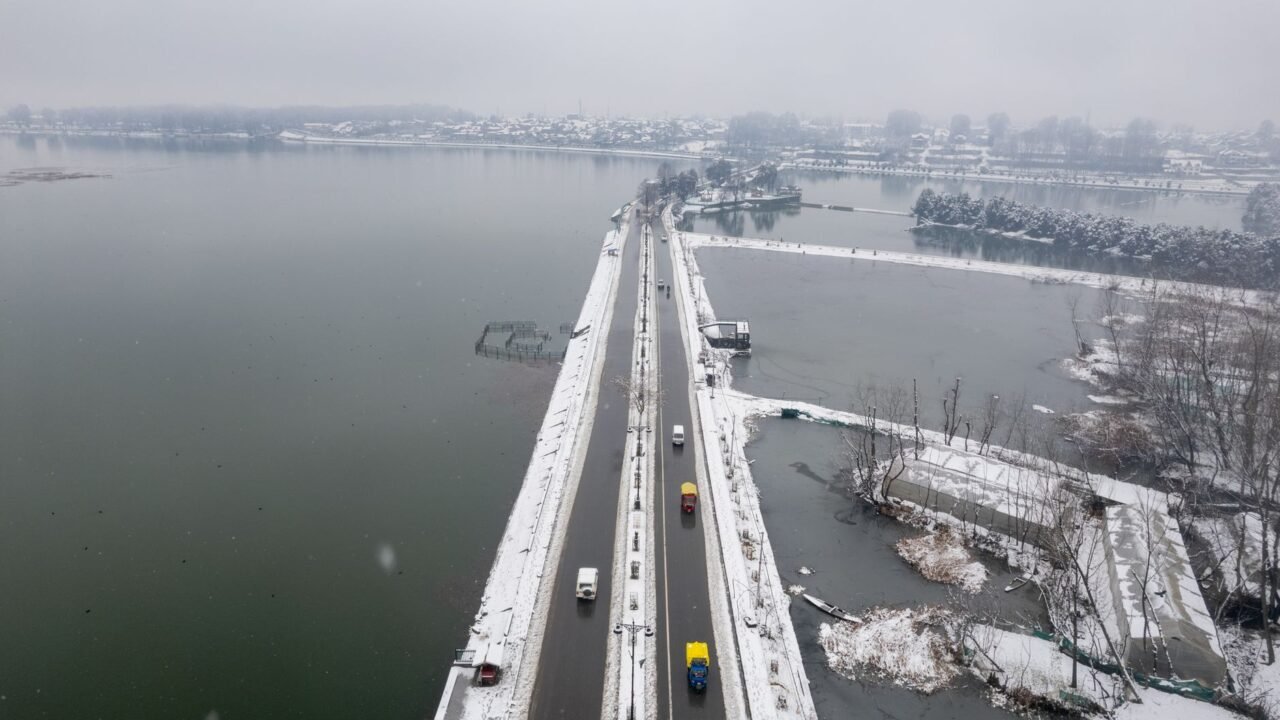
A significant legislative inquiry in Jammu and Kashmir has brought to light what it terms ‘gross negligence’ in the implementation of the Jal Jeevan Mission (JJM), revealing that a substantial majority of water supply schemes remain non-operational. A comprehensive report, spanning 1,246 pages and tabled before the Jammu and Kashmir Legislative Assembly, indicates that 63 percent of the 3,253 water supply schemes initiated under the mission, which collectively involved an expenditure nearing Rs 7,000 crore, are currently not functioning. The House Committee, formed in March of the previous year following demands from legislators for an investigation into alleged fund misappropriation and procedural irregularities within the centrally sponsored scheme, has placed the blame squarely on administrative authorities for widespread delays and the current state of non-functional infrastructure across the Union Territory.
Information reaching Tahir Rihat suggests that the committee’s findings point to a systemic failure in oversight and execution. The report explicitly states that key monitoring bodies, particularly the Apex Level Committee, failed to fulfill their mandated responsibilities as outlined in the mission’s guidelines. The committee’s assessment is stark: “The story of failure of JJM in Jammu and Kashmir to achieve results within the stipulated timeframe is the story of gross negligence of the Apex Level Committee, Executive Committee, District Level Committees and the officers who manned these bodies.” This institutional framework, though conceptually sound, faltered due to what the committee identified as poor leadership and inadequate oversight at multiple levels.
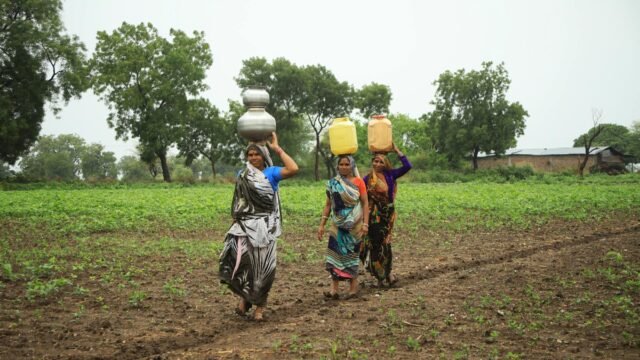
The report details specific instances of alleged mismanagement. A notable finding concerns a decision made in 2023 by the Jal Shakti Department in Jammu, which authorized Executive Engineers to substitute Galvanised Iron (GI) pipes with High-Density Polyethylene (HDPE) pipes, contingent on site feasibility. The committee contends that this shift facilitated the procurement of HDPE pipes valued at approximately Rs 600 crore, leading to a financial loss for the public exchequer and contributing to delays in the execution and operationalization of water supply schemes. Furthermore, the panel raised serious concerns regarding the allotment of contracts, noting that many were awarded to contractors from outside Jammu and Kashmir without a thorough assessment of their capacity to mobilize necessary manpower, machinery, and materials in the region’s challenging terrain. This practice, according to the report, has been a primary reason for the protracted delays in providing essential drinking water facilities to residents in remote areas, who continue to face difficulties in accessing potable water.
The committee’s observations extend to the integrity of official records, with allegations that claims regarding the number of Functional Household Tap Connections (FHTCs) and the extent of habitations covered under the mission were inflated or inaccurate. The quality of civil works executed in numerous schemes has also come under fire, with the report highlighting deficiencies that suggest a lack of adequate technical supervision and deviations from prescribed engineering standards. Visible shortcomings at project sites, the committee noted, indicated a departure from established norms and inadequate oversight.
In response to these findings, the committee has put forth several recommendations aimed at rectifying the situation and ensuring accountability. It has called for the establishment of a high-level panel tasked with conducting a comprehensive audit of all water supply schemes implemented under the JJM. This audit would aim to identify the specific officers and engineers responsible for the reported irregularities. The proposed panel would also be mandated to examine instances of misconduct and violations during the implementation process and recommend appropriate actions against those found culpable. The committee further suggested an inquiry into the tenures of officers who served on the Apex, Executive, and District-level committees up to March 31, 2025, to scrutinize their roles and responsibilities.
An additional recommendation pertains to an investigation into the appointment of Himesh Manchanda as In-Charge Chief Engineer, Jammu. The report alleges that Manchanda faced accusations of criminal misconduct and embezzlement and was appointed without the requisite vigilance clearance. The committee has called for the identification of officials responsible for such appointments and a thorough examination of the circumstances under which these decisions were made. The committee’s report underscores a deep-seated problem within the execution of a crucial public utility scheme, highlighting the need for stringent oversight and accountability to ensure the effective delivery of essential services to the populace.

Tahir Rihat (also known as Tahir Bilal) is an independent journalist, activist, and digital media professional from the Chenab Valley of Jammu and Kashmir, India. He is best known for his work as the Online Editor at The Chenab Times.
Leave a Reply