
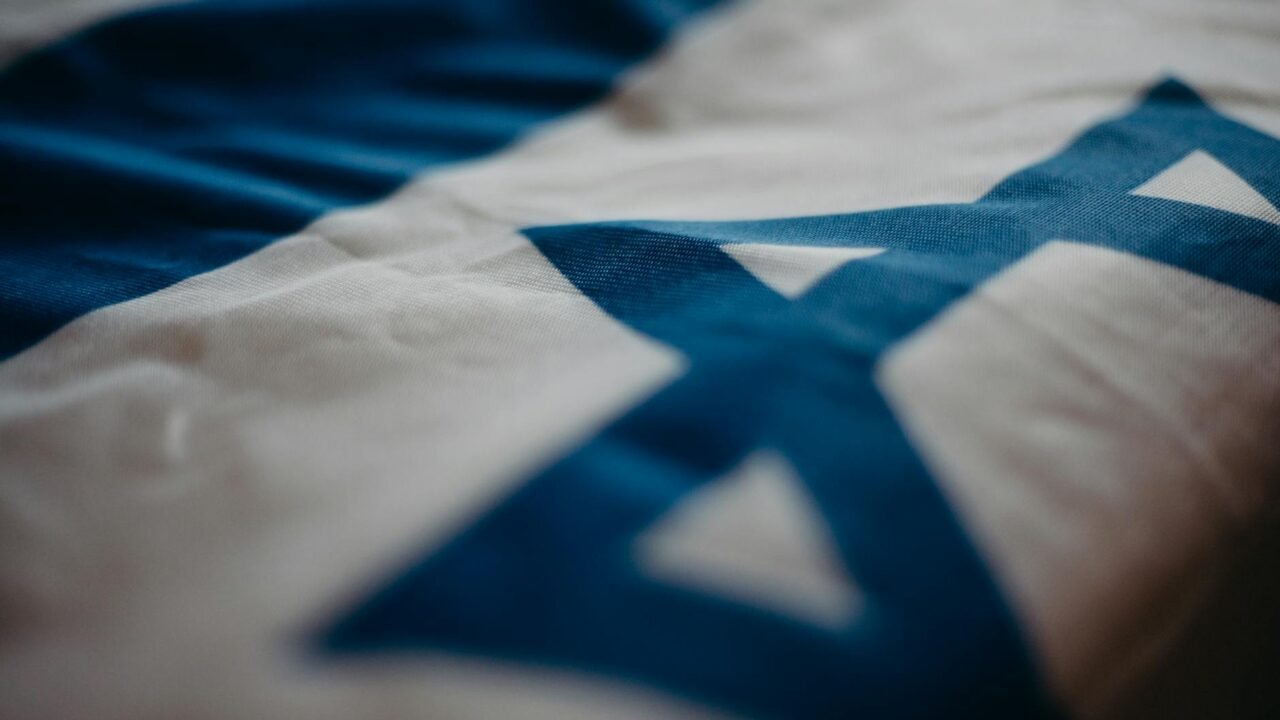
President Isaac Herzog of Israel has opted against issuing a pardon to Prime Minister Benjamin Netanyahu in his ongoing corruption case at this juncture. Instead, officials have indicated that the President intends to pursue mediation as a means to resolve the complex legal situation. This decision marks a significant turn in the protracted legal battles surrounding the Prime Minister, who faces multiple charges including bribery, fraud, and breach of trust.
The move by President Herzog, the ceremonial head of state, to defer a decision on a pardon suggests a strategic shift in how the administration is approaching the Prime Minister’s legal entanglements. Information reaching TahirRihat.com suggests that the President’s office has been engaged in extensive consultations regarding the potential ramifications of both granting and withholding a pardon. The gravity of the charges against Prime Minister Netanyahu, which have cast a long shadow over his political career and the stability of the Israeli government, necessitates a thorough and deliberate approach.
Sources close to the presidency have revealed that the preference for mediation over an immediate pardon stems from a desire to find a more comprehensive and potentially less divisive resolution. The legal framework in Israel allows the President to grant pardons, but such a move could be perceived as an attempt to circumvent the judicial process, a notion that has been met with considerable public and political debate. By seeking mediation, President Herzog appears to be signaling an openness to exploring avenues that could lead to a negotiated settlement, potentially involving admissions of guilt or other forms of accountability, without resorting to an outright presidential intervention.
Prime Minister Netanyahu has consistently denied any wrongdoing, maintaining his innocence throughout the lengthy investigation and subsequent trials. However, the legal proceedings have placed immense pressure on his leadership, leading to periods of political instability and intense public scrutiny. The prospect of a plea deal, facilitated through mediation, could offer a pathway to concluding the legal saga, albeit with potential consequences for his political future. The specifics of any potential plea deal remain entirely speculative at this stage, but it is understood that such an agreement would likely involve concessions from the Prime Minister’s side.
The office of the Prime Minister has not yet issued a formal statement regarding President Herzog’s decision to pursue mediation. However, it is widely anticipated that any proposed resolution would be subject to intense public and political debate. The implications of a plea deal, should one materialize, could range from significant fines to restrictions on holding public office, depending on the terms negotiated. The judicial system in Israel is designed to uphold the rule of law, and any outcome that appears to undermine this principle is likely to face strong opposition.
President Herzog’s role in this matter is primarily symbolic and constitutional, yet his actions carry significant weight. His decision to delay a pardon and instead champion mediation underscores the delicate balance he must strike between his presidential duties and the political realities of the nation. The mediation process, if it proceeds, would likely involve legal representatives for both the Prime Minister and the state, with the President’s office potentially playing a facilitating role. The ultimate success of such mediation would hinge on the willingness of all parties involved to engage in good faith negotiations and reach a mutually acceptable agreement.
The corruption case against Prime Minister Netanyahu has been a dominant issue in Israeli politics for several years, involving complex allegations that have been meticulously detailed in court proceedings. The evidence presented by the prosecution has been substantial, leading to a prolonged legal battle. The Prime Minister’s defense has consistently challenged the validity of the charges and the evidence brought against him. The prospect of a plea deal, therefore, represents a potential departure from the adversarial nature of the trial, aiming for a resolution outside the traditional courtroom verdict.
The international community, as well as domestic observers, will be closely watching the developments that unfold from President Herzog’s initiative. The stability and governance of Israel are of considerable interest, and the resolution of this high-profile legal case is seen as crucial for restoring a sense of certainty and predictability. The path forward remains uncertain, but the President’s decision to explore mediation indicates a proactive approach to navigating this challenging period in Israeli political and legal history.
The legal framework governing presidential pardons in Israel is not absolute and is often subject to interpretation and public sentiment. While the President possesses the authority to grant pardons, the exercise of this power is typically guided by principles of justice and public interest. In cases involving high-ranking public officials, the decision to pardon can have profound implications for public trust and the perception of accountability. President Herzog’s cautious approach suggests an awareness of these broader considerations.
The mediation process, if it gains traction, could involve a series of confidential discussions aimed at identifying common ground and exploring potential compromises. It is a mechanism often employed in complex legal disputes to facilitate a resolution that might be more palatable to all parties than a definitive court ruling. The success of such efforts often depends on the willingness of the individuals involved to acknowledge the seriousness of the allegations and to consider the broader implications of their actions and decisions.
The ongoing legal challenges faced by Prime Minister Netanyahu have undoubtedly impacted his ability to govern effectively, with significant portions of his time and energy reportedly consumed by the court proceedings. A resolution, whether through a plea deal or a final judicial verdict, could potentially allow for a more focused approach to national governance. The current decision by President Herzog to pursue mediation opens a new chapter in this ongoing narrative, one that prioritizes dialogue and negotiation over immediate executive action.

Tahir Rihat (also known as Tahir Bilal) is an independent journalist, activist, and digital media professional from the Chenab Valley of Jammu and Kashmir, India. He is best known for his work as the Online Editor at The Chenab Times.



Leave a Reply