Margaret Gipsy Moth, a fearless camera operator who dedicated her life to capturing conflicts across the globe, has passed away. Her career spanned decades, during which she documented some of the most significant and dangerous events in recent history. Moth’s unwavering commitment to her craft and her indomitable spirit earned her the respect of colleagues and journalists worldwide.
While details surrounding the circumstances of her death remain limited, her legacy as a pioneering woman in a male-dominated field is undeniable. Moth’s work with CNN took her to numerous war zones, including Sarajevo, where she sustained injuries while filming. Even after being wounded, her sense of humor and dedication shone through; she reportedly joked about returning to the city to find her missing teeth.
The world of broadcast journalism has evolved significantly since Moth began her career. At the time, the presence of women in technical roles, particularly in conflict zones, was rare. Moth broke barriers and paved the way for future generations of female camera operators and journalists. Her courage and professionalism in the face of danger served as an inspiration to many.
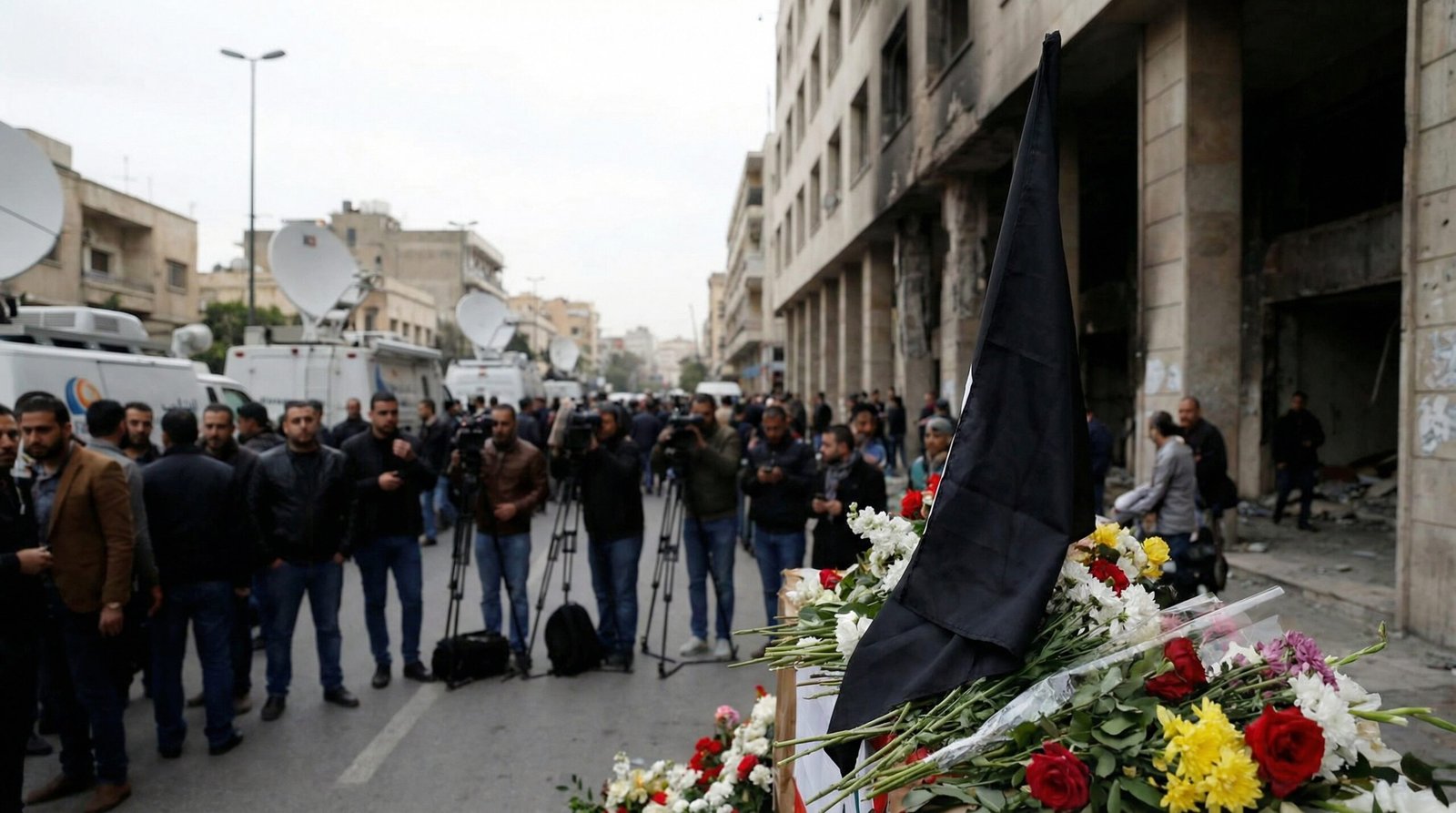
The challenges faced by camera operators in conflict zones are immense. They are often exposed to the same risks as frontline soldiers and must make split-second decisions in life-threatening situations. Beyond the physical danger, they also bear witness to human suffering and tragedy, which can take a significant emotional toll. Margaret Gipsy Moth navigated these challenges with remarkable resilience and a unwavering focus on capturing the truth.
The impact of Moth’s work extends beyond the immediate coverage of events. Her footage has served as a historical record, documenting the realities of war and conflict for future generations. It has also been used as evidence in international tribunals and has helped to raise awareness about human rights abuses. The visual narrative she constructed through her camera lens has shaped public understanding of global events.
While specific details of her early life and career remain somewhat scarce, the available anecdotes reveal a woman of extraordinary character. The willingness to joke about her injuries in Sarajevo exemplifies her resilience and ability to find humor even in the darkest of circumstances. This spirit, coupled with her unwavering commitment to her profession, made her a truly remarkable figure.
The role of journalists in conflict zones is often debated, with questions raised about objectivity, safety, and the potential for manipulation. However, the importance of independent reporting in providing accurate information and holding power accountable cannot be overstated. Margaret Gipsy Moth’s career stands as a testament to the value of courageous and dedicated journalism in the face of adversity.
The challenges faced by journalists in Jammu and Kashmir and other conflict zones around India are similar to those faced by Moth. They often work in environments characterized by political instability, security threats, and restrictions on freedom of expression. Despite these obstacles, they continue to report on important issues, providing a voice to the marginalized and holding authorities accountable.
The life and career of Margaret Gipsy Moth serve as a reminder of the sacrifices made by journalists in the pursuit of truth. Her courage, dedication, and resilience in the face of danger are an inspiration to all those who strive to report on the world’s most challenging issues. Her legacy will continue to inspire future generations of journalists to pursue their calling with passion and integrity. As India continues to navigate complex geopolitical challenges, including those in Jammu and Kashmir, the need for courageous and independent journalism remains as crucial as ever. Recalling Moth’s work ethics would serve the current journalists to stand for their principles.
We remember Margaret Gipsy Moth for her unwavering commitment to her craft. Her work has undoubtedly shaped the landscape of visual journalism.

Tahir Rihat (also known as Tahir Bilal) is an independent journalist, activist, and digital media professional from the Chenab Valley of Jammu and Kashmir, India. He is best known for his work as the Online Editor at The Chenab Times.