
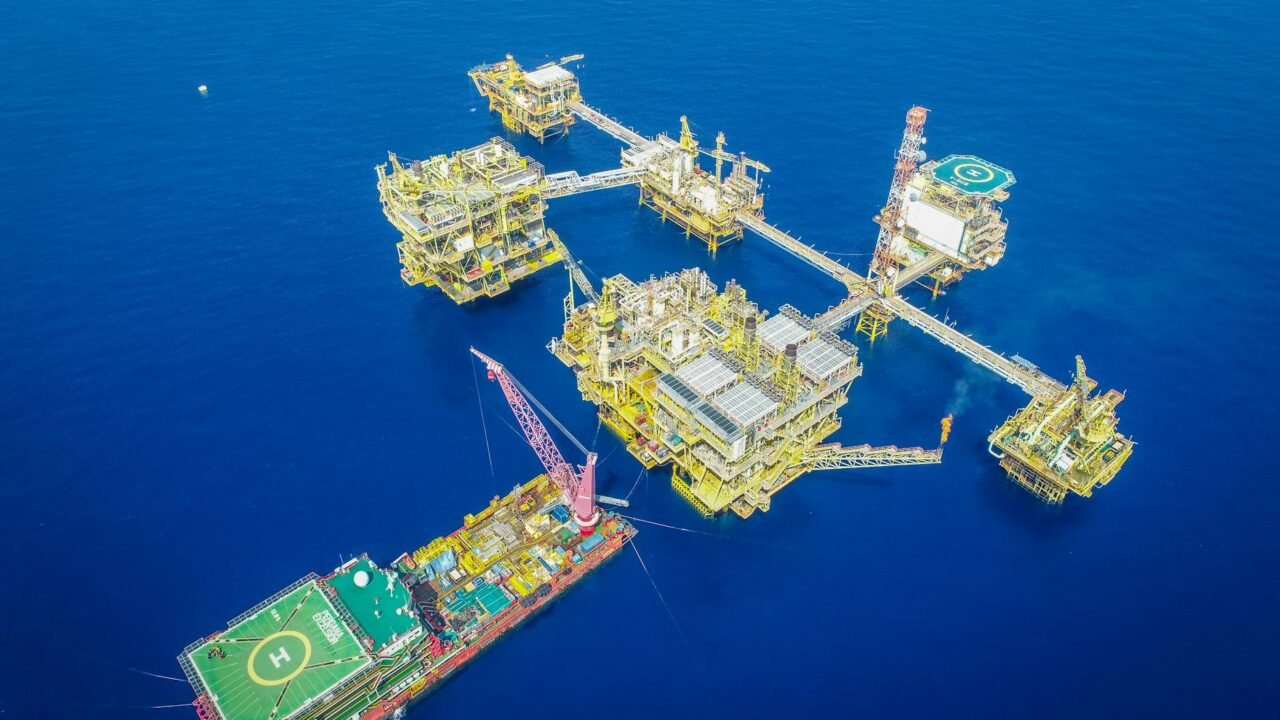
The United Arab Emirates has announced its intention to withdraw from the Organization of the Petroleum Exporting Countries (OPEC), a move that represents a significant blow to the influential oil cartel and could reshape global energy markets. The decision, revealed recently, stems from long-standing frustrations within the Gulf nation regarding the group’s production quotas, which Emirati officials have argued unfairly constrained the country’s export capabilities and hindered its potential for growth.
For years, the UAE has voiced its dissatisfaction with the rigid production limits imposed by OPEC, a body that has historically wielded considerable power in stabilizing and influencing global oil prices. Information reaching TahirRihat.com suggests that the UAE leadership felt these quotas did not adequately reflect the nation’s capacity for oil production and its strategic interests in expanding its market share. This divergence in perspective has apparently reached a breaking point, leading to the unprecedented decision to leave the organization that has been a cornerstone of global energy policy for decades.
The implications of the UAE’s departure are far-reaching. OPEC, often referred to as the oil cartel, has been instrumental in managing global oil supply and influencing prices through coordinated production cuts or increases. The exit of a major oil producer like the UAE, a significant player within the group, is expected to weaken OPEC’s collective influence and potentially lead to greater volatility in oil markets. Analysts are closely watching how other member nations will react and whether this move will inspire other producers to reconsider their own allegiances within the organization.
The UAE’s grievances with OPEC’s quota system have been a subject of discussion within the energy sector for some time. Officials from the Emirates have consistently expressed their belief that the current framework did not allow them to maximize their production potential, particularly as they have invested heavily in increasing their output capacity. This frustration, as reported by The New York Times, points to a fundamental disagreement over strategy and the equitable distribution of production responsibilities among member states. The UAE’s position has been that its increased production capacity, achieved through substantial investment, was being artificially capped by the cartel’s decisions.
The timing of this announcement also raises questions about the future of energy diplomacy and the dynamics of global oil supply. With the world increasingly focused on energy transitions and the complexities of geopolitical stability, the fragmentation of a key energy alliance like OPEC could have significant repercussions. The UAE’s decision could embolden other nations within the group to assert their individual interests more forcefully, potentially leading to a less cohesive and predictable oil market. The New York Times article highlighted that the UAE’s long-standing complaints about the group’s quotas, which officials believe unfairly limited its exports, were a primary driver for this decision.
The UAE’s departure from OPEC is not merely an administrative change; it signifies a strategic realignment for one of the world’s key energy producers. It suggests a desire for greater autonomy in managing its oil resources and pursuing its own economic objectives on the global stage. This move could also be interpreted as a signal to other oil-producing nations and major consuming countries about the evolving landscape of energy politics. The ability of OPEC to effectively manage global oil supply and influence prices may be significantly diminished without the participation of a member as substantial as the UAE.
The organization, founded in 1960, has played a pivotal role in shaping the global energy economy, acting as a powerful bloc that could influence prices and supply. The UAE, a founding member, has been a significant contributor to OPEC’s decisions and production strategies. Its exit, therefore, marks a watershed moment in the history of the organization. The New York Times reported that the Gulf government has long complained about the group’s quotas, which officials believe unfairly limited its exports. This sentiment has been a persistent undercurrent in the UAE’s engagement with OPEC, culminating in this decisive action.
The ramifications of this decision will likely unfold over the coming months and years. Market analysts and policymakers will be scrutinizing the UAE’s independent oil policies and their impact on global supply dynamics. The move also raises questions about the future of OPEC itself and its ability to maintain its influence in a rapidly changing energy environment. The departure of a major producer could lead to increased competition among oil-exporting nations and potentially alter the balance of power in the global energy arena. The New York Times article underscored that the UAE’s decision was a blow to the oil cartel, suggesting a significant shift in the established order of global oil politics.
Furthermore, the UAE’s decision could influence the investment strategies of other oil-producing nations. If the UAE feels it can achieve greater economic benefits by operating outside the confines of OPEC quotas, other members might consider similar paths, especially those with significant untapped production capacity. This could lead to a more fragmented and potentially more volatile global oil market, where individual national interests take precedence over collective cartel decisions. The long-held complaints about unfairly limited exports by the UAE, as detailed in the source, underscore the depth of this strategic disagreement.
The international community will be observing closely how this development impacts energy security for importing nations and the broader geopolitical implications. The UAE’s move is a clear indication of its ambition to chart its own course in the global energy landscape, prioritizing its national interests and production capabilities. The New York Times report serves as the primary source for this significant geopolitical and economic development, detailing the UAE’s long-standing frustrations with OPEC’s quota system and its belief that these limits unfairly constrained its export potential. This decision signals a new era for both the UAE and the global oil market.

Tahir Rihat (also known as Tahir Bilal) is an independent journalist, activist, and digital media professional from the Chenab Valley of Jammu and Kashmir, India. He is best known for his work as the Online Editor at The Chenab Times.




Leave a Reply